Best Food for Your Teeth

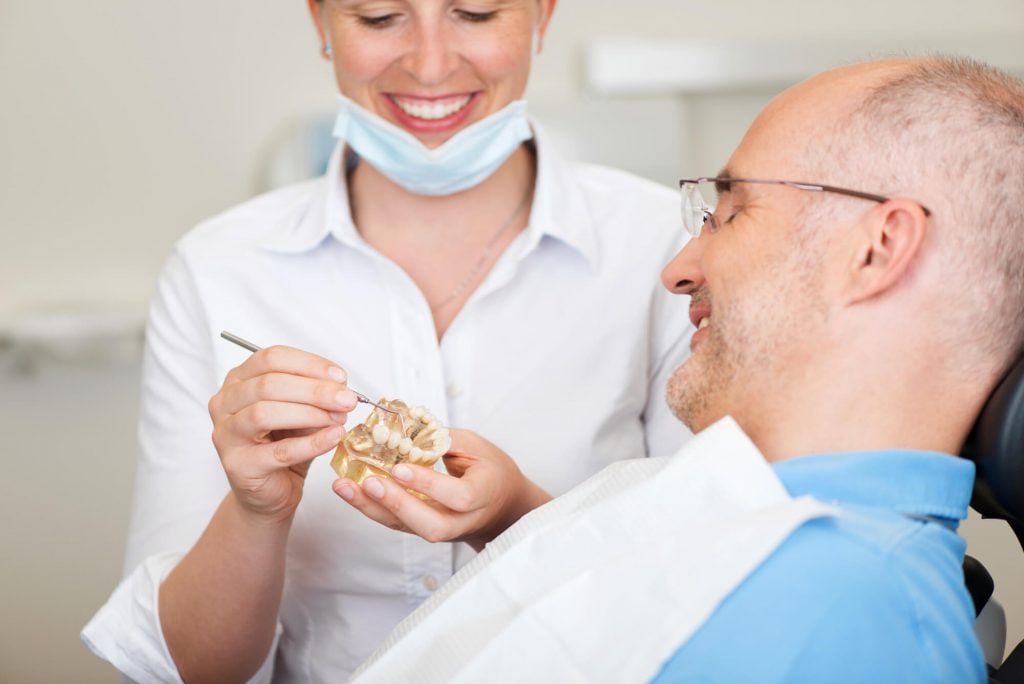
happy patient smiles at dentist in Murray Hill

Brushing and flossing are only the beginning of proper dental hygiene. There are many beneficial habits to develop in order to keep your smile bright and beautiful, but don’t forget the tremendous cleansing capabilities of common meals. Below are the foods listed by a dentist in Murray Hill that are excellent for your teeth. These will aid in the development of healthy teeth and gums, as well as the prevention of tooth decay and gum disease. 

nuts not recommended by dentist in Murray Hill

Foods Highly Recommended by Dentists 

Chocolate 

Yes, you read that correctly. Chocolate! (If it contains at least 70% cacao and is consumed in moderation.) 

Dark chocolate is a superfood for your teeth because it contains a component called cocoa bean husk (CBH), which has been shown to help harden tooth enamel, reducing the risk of tooth decay. However, not all chocolate is beneficial to your health. The good thing is found in the cocoa bean, not the chocolate, so go for the dark chocolate and remember to brush your teeth afterward. 

It’s best to avoid chocolate with nuts if you have braces. It’s also a good idea to keep your chocolate sweets at room temperature rather than in the fridge, as cold, hard chocolate can be difficult to chew. 

Black and Green Teas 

Polyphenols, found in both green and black tea, interact with plaque-causing bacteria, killing or inhibiting them. Bacteria feed on the sugars in your mouth and then emit acidic acids that eat away at your tooth enamel. Also, tea is an excellent choice during or after a meal since it reduces the prevalence of acid-producing bacteria in the mouth. 

Onion 

While you may not enjoy biting into an onion, adding it to salads or stir fries might help strengthen your teeth. In reality, the humble onion helps eliminate harmful germs in the mouth and throughout the body, making it a true superfood. 

bag of vegetable carried by a dentist in Murray Hill

Celery 

Celery is a high-fiber vegetable that is worth mentioning when it comes to maintaining your dental health. With each delectable bite, this crunchy superfood effectively cleans your teeth. Because it needs aggressive chewing, it creates a lot of bacteria-fighting saliva, which is beneficial to your general oral health. 

Water 

The breakdown of food, neutralization of bacterial acid and prevention of dental decay all require optimal levels of water in your saliva. While water isn’t as effective as a toothbrush and floss in removing plaque, it can help by rinsing away food particles. After drinking coffee or eating highly pigmented meals, rinsing with water can help decrease tooth stains. 

Oranges 

Given that oranges are a citrus fruit, this one may come as a surprise. It contains vitamin C, which strengthens blood vessels and connective tissue and, by lowering inflammation, inhibits the onset of gum disease. 

Make oranges, grapefruits, and other citrus fruits a regular part in your fruit bowl. But, remember to wait at least half an hour after eating citrus fruits before cleaning your teeth since the acidic component may harm them. 

Vegetables and Fruits 

If you don’t have a toothbrush with you, don’t worry. Fruits and vegetables high in fiber are your next best bet. Their high fiber content ‘scrubs’ the teeth in the same way as a toothbrush does, and the extra chewing they require encourages saliva production

Salad greens are packed with nutrients, and the high-water content of crisp, juicy fruits and vegetables helps to balance out their sugar level. Keep fresh carrots, celery, cucumber, and apples on hand at all times because they’re sometimes referred to as “nature’s toothbrushes”. So, when you forgot to bring your toothbrush at a weekend getaway, getting high in fiber fruit or vegetable will do the trick. 

fruits recommended by a dentist in Murray Hill

Effective Dental Health Tips From a Dentist in Murray Hill 

At Coliseum Dental, we make sure that our tips are effective and practical. Schedule an appointment today to get in touch with our professionals. 

Why Dentists Use Laser Dentistry

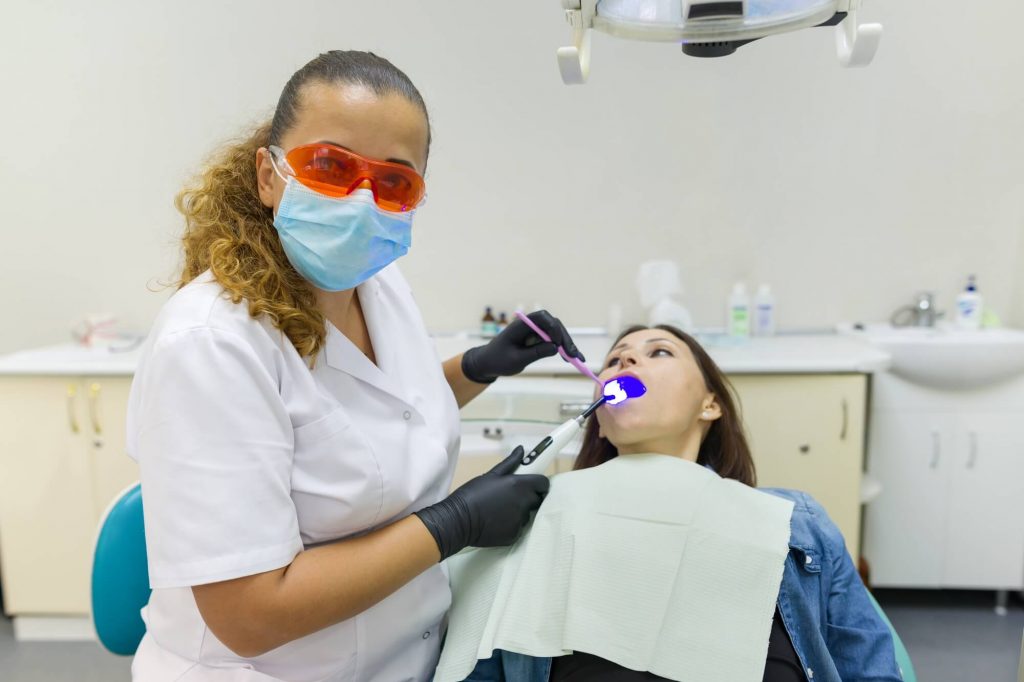
patient undergoes laser dentistry in Hell's Kitchen

Keeping up with the most recent advancements in laser dentistry in Hell’s Kitchen? By knowing the latest advancements, you can be rest assured that you are receiving the most advanced dental care available.  

Dentists are continuously seeking new and improved approaches to provide superior dental care, which is why there are fresh and constant innovations in the dentistry sector. Because one of these advancements involves the use of a laser for dental treatments, contacting a laser dentist is strongly advised if you want to take advantage of these new technologies. 

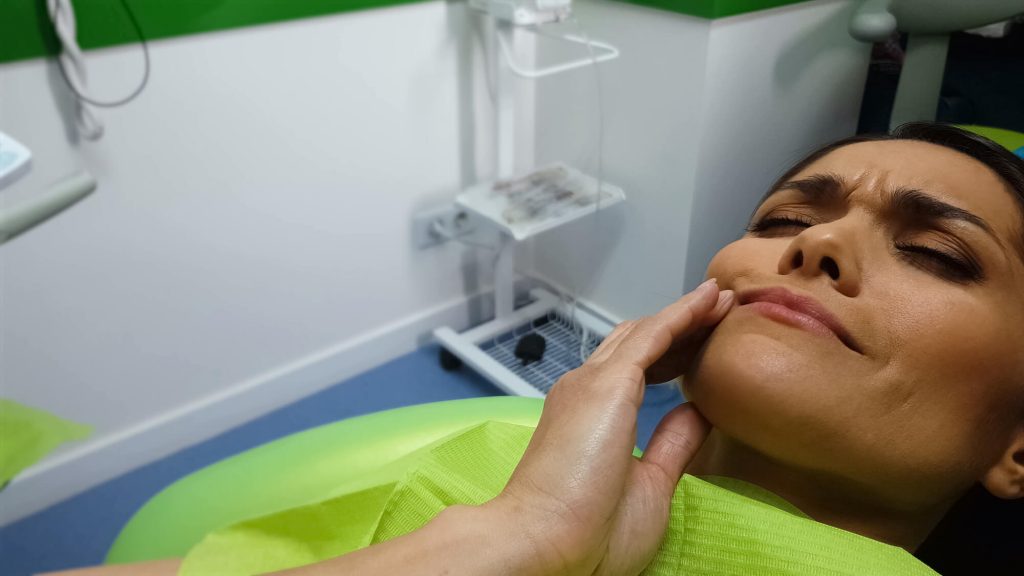
patient in pain ready to avail laser dentistry in Hell's Kitchen

Laser Dentistry and How It Works 

What is Laser Dentistry? 

When a dentist utilizes a laser to treat a patient, this is referred to as laser dentistry. A dental laser treats oral problems with a very thin but intense beam of light energy. Because the laser essentially eliminates all heat, pressure, and vibrations, the dental patient will feel far less discomfort, if not none at all.  

For instance, when getting a cavity filled, employing a laser eliminates the need for anesthesia. When a dentist uses lasers during dental operations, they are utilizing one of the most cutting-edge and advanced dental technologies available today. Dental laser technology is not only extremely safe and effective, but it is also extremely adaptable, as it can be applied to a wide range of dental operations. 

When Is It Applicable? 

When it comes to laser dentistry, there are numerous applications, including but not limited to: 

  • Teeth whitening 
  • Getting rid of dental decay 
  • Gum reshaping – a procedure that involves restructuring the gums 
  • Providing relief from mouth sores 
  • Taking care of any gum tissue problems 
  • Aiding in the treatment of infections 
patient smiles because of the ease laser dentistry in Hell's Kitchen offers

What Are the Advantages? 

The main advantage of using a dental laser is that it is less invasive and, in most cases, causes less pain. Other benefits of laser dentistry include the following: 

  • Make it possible to avoid the use of anesthetic. 
  • Bleeding is reduced. 
  • Bacterial infections are reduced. 
  • Gum tissue in the surrounding area is less damaged. 
  • Stitches are not required as much. 
  • Everything tends to heal more quickly. 

What Conditions Can Laser Dentistry Help With? 

Despite the fact that laser dentistry may not be utilized in all dental operations, it can be used for many of them. If you have any of the following symptoms, laser dentistry may be a good option for you: 

  • Decaying Tooth 

If your tooth is badly decayed, your dentist can use lasers to hollow it out and remove all decayed substances. This treatment is frequently performed before normal cavity fillings to assist in the speeding up of the process. 

  • Periodontal Disease 

If you have gum disease, laser dentistry may also be a good option for you. Lasers are frequently used to eliminate bacteria from the gums, shape them, and prepare them for root canal treatments. 

  • Yellow Teeth 

Do you have a problem with your teeth turning brown or yellow? Do you want them to be as white as possible? Laser dentistry may be of assistance. During in-office teeth whitening procedures, lasers are frequently employed to speed up the whole process. They’re typically employed to activate the peroxide solution that’s put to your teeth. 

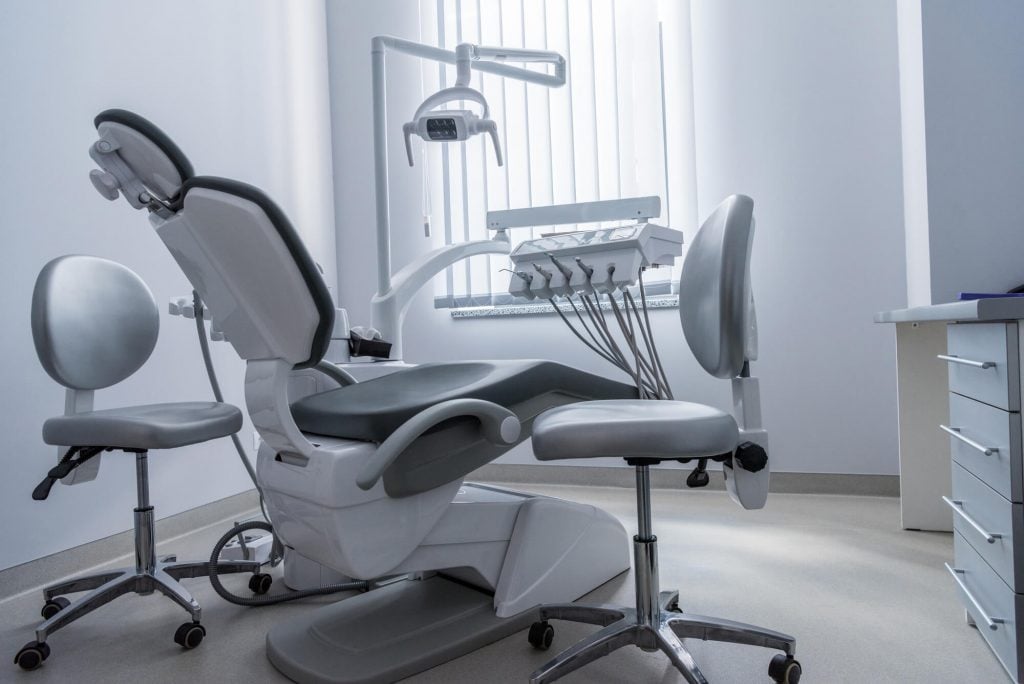
dental chair and laser dentistry in Hell's Kitchen

Know More About Laser Dentistry in Hell’s Kitchen 

Due to the numerous benefits that this modern dental technology may provide dental patients, laser dentistry is becoming increasingly popular. We encourage you to contact us as soon as possible because our skilled staff is always available to answer any laser-related queries you may have. 

If you believe you would benefit from the services of a laser dentist, now is the time to schedule an appointment to learn more

All About Restorative Dentistry

a patient needing Restorative dentistry in midtown Manhattan 

Any dental procedure used to repair the structure and functionality of your teeth is referred to as restorative dentistry. It may include a variety of treatment choices. To figure out if you need services involving restorative dentistry in Midtown Manhattan, you must first comprehend what these services entail.  

a woman needing Restorative dentistry in midtown Manhattan 

Restorative Dentistry: Its Procedures and Benefits 

What Is Restorative Dentistry?  

It is any dental procedure that focuses on restoring or repairing damaged dental components. It can encompass a variety of services such as dental implants, bridges, and fillings, among others. It excludes procedures that are considered aesthetic, such as teeth whitening and dental veneers.  

Most Common Restorative Dental Procedures   

Dental Implants  

This restorative treatment is oftentimes a potential option if the tooth damage is severe. It is the procedure of implanting artificial teeth to replace missing or severely damaged teeth. These are attached by a metal post with a screw-like metal “root”, effectively bonded to your jawbone.   

Bonding 

In the case of fractured or chipped teeth, bonding is the most common restorative procedure used. It is the procedure of producing and attaching composite materials to the remaining tooth to replace the degraded or lost enamel.   

Bridges 

Dental bridges, like crowns, are used to cover a region where a tooth has been extracted. It entails fusing numerous crowns and connecting them to the closest healthy teeth on either side of the gap to connect the space with a porcelain replacement.   

Crowns 

If a tooth has considerable decay and cannot be successfully treated with fillings, dental crowns may be indispensable. To protect the tooth from future damage, it receives a “cap” through this restorative procedure. It will cover the entire tooth down to the gumline.   

Fillings 

Dental fillings are the most used restorative dentistry treatments, whether they are composite or amalgam. These are used to restore and strengthen the structural integrity of a tooth that cavities and decay have weakened.  

What Are the Benefits? 

Restorative dental operations have numerous advantages, which is why they are among the most popular procedures performed by dentists. 

Restore Function 

The most prominent advantage of restorative procedures is restoring your teeth’s functionality. Since your teeth are in good shape, you can eat and speak with considerable ease. 

Eliminate Pain 

If you have an infected tooth or deep cavity that requires a root canal, you have most likely experienced unbearable pain. By eradicating the infection or simply treating it temporarily, restorative therapies alleviate discomfort. 

Prevent Future Dental Problems 

Correcting an oral problem as soon as it is discovered helps stop it from producing or developing more dental problems. A cavity should be fixed as soon as your dentist notices it to avoid the need for a root canal. If left untreated for too long, it might lead to a tooth that cannot be salvaged and must be pulled and replaced. 

a woman smiling after getting Restorative dentistry in midtown Manhattan 

How to Get Ready for Restorative Dentistry in Midtown Manhattan  

Restorative dentistry can relieve various oral problems, but it’s critical to be well-informed before scheduling any surgery. Talk to your dentist about your options to know what to anticipate and make the ideal decision.  

You’ll also need to check that your insurance covers any operations you may need. The best approach to keep the pain away – both physically and financially – is to plan for your dentistry services by completing your research and discussing things with your dentist. Contact us to schedule an appointment today! 

How to Floss When You Have Braces

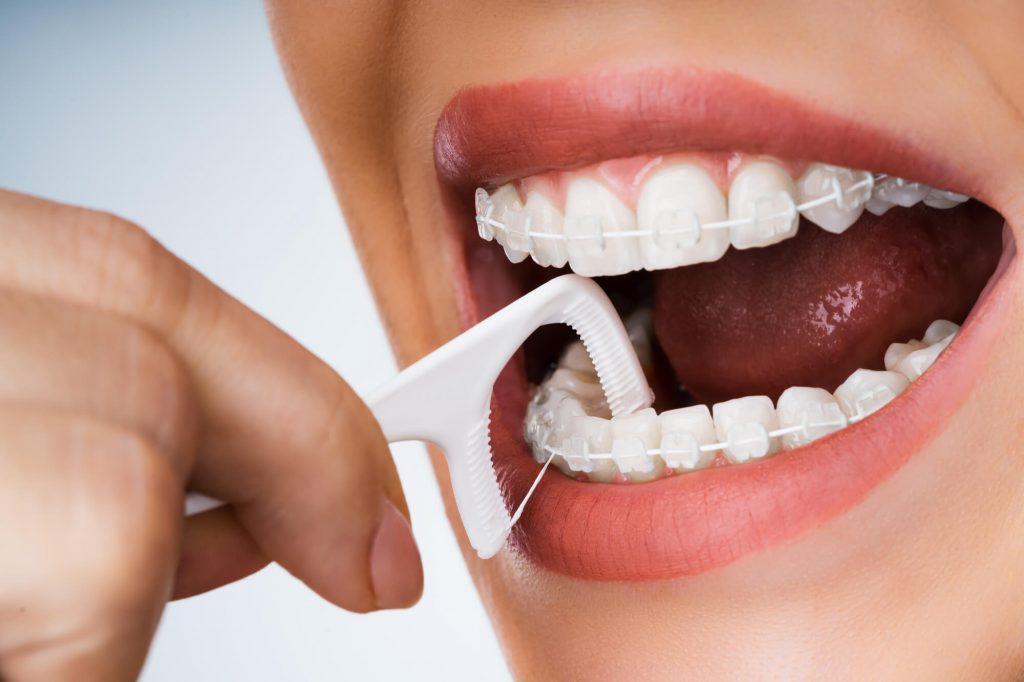
a woman with braces flossing teeth as instructed by her Dentist in midtown Manhattan

Every single dentist in Midtown Manhattan will disagree that flossing while wearing braces is impossible. The truth is, with practice, it will quickly become second nature and a natural extension of brushing your teeth.  

a woman with braces flossing teeth as instructed by a Dentist in midtown Manhattan

Why Floss?  

Affects Oral Health 

You may be perplexed about how a simple piece of floss can significantly affect your oral health. Flossing is surprisingly effective. No toothbrush, no matter how good or expensive it is, can get into all the nooks and crannies like floss can. 

Both practices remove food and bacteria from your teeth, which can cause cavities and discoloration. It also aids in the prevention of gingivitis and other oral health issues that can develop later in life. You can brush twice a day and floss once daily. 

How to Floss While Wearing Braces 

Flossing with braces can indeed be challenging at first. However, with perseverance, you’ll get the hang of it. You’ll be a pro in no time! Although flossing takes time, every dentist you’ll ask will say it’s worth the hassle! 

Follow Our Instructions 

  1. Brush your teeth to eliminate plaque, bacteria, and food particles. Make sure your toothbrush reaches all of your teeth’s surfaces – outer, inner, and flat surfaces of your top and bottom arch. 

  1. Wrap the ends of a 20-centimeter piece of floss around your index finger to form a tight grasp.  

  1. Thread the floss between the wire and your teeth, aligning it with the gap between your teeth. To remove any food particles or plaque build-up, slide the floss between the teeth, down the vertical edges of each tooth, and into the movable gum tissue. 

  1. After flossing each tooth, wrap the old floss around your finger to avoid reintroducing bacteria into your mouth. 

  1. Continue with the next tooth and repeat the procedure. 

Available Products for Flossing Teeth 

Not only is wax floss available on the market, but there are a few other options for cleaning your interdental region. Experiment with both to find which one you prefer. 

 Floss Threader 

You could use a floss threader to make cleaning around your braces simpler. The threader makes it easier to get past the wire and between the teeth. Parents may need to assist their children when flossing until they can do so independently. 

 Toothbrushes With Small Bristles 

Small bristles on interdental brushes make it easy to clean between teeth and remove food and plaque. Place the brush between your teeth and gently brush back and forth a few times to remove any food particles. Interdental brushes are only meant to be used with water. Toothpaste can be excessively abrasive. 

They come in various widths to fit the size of the gaps between your teeth. The best thing about interdental brushes is that they last anywhere from three days to three weeks before needing to be replaced. 

Interdental brushes are less aggressive on the gums than floss since they do not cut into the gums as floss does. The bristles on the brush may also be more effective in removing bacteria from the spaces and gaps than dental floss. 

Water Flosser 

To eliminate food, this type of floss sprays water between the teeth. Water flossers are also useful for cleaning around cables and brackets. However, this is rarely practiced because your toothbrush and floss will suffice. 

a Dentist in midtown Manhattan checks a patient's braces

Where to Find a Good Dentist in Midtown Manhattan 

At Coliseum Dental, we have experienced dentists who will cater to your dental needs. Don’t hesitate to reach us

Correct Intrinsic and Extrinsic Stains

laser teeth whitening as part of cosmetic dentistry in Midtown Manhattan

The existence of bright, ivory teeth in a stunning smile cannot be overstated. You may notice that your smile isn’t as bright as it should be because your teeth are discolored and dull. Based on experts specialized in cosmetic dentistry in Midtown Manhattan, healthy living and diet are factors that influence the shade of your teeth.  

With up-to-date dental advancements, you don’t have to live with discolored or stained teeth anymore. To brighten your teeth and enhance your smile, dental professionals offer veneers and teeth-bleaching procedures.  

white teeth due to cosmetic dentistry in Midtown Manhattan

Get Ivory-Looking Teeth 

Intrinsic Teeth Stains 

Teeth stains beneath the surface of the enamel cause this type of dental discoloration. But there are instances when extrinsic stains are caused by particles or pigments that break through the layer of your tooth’s enamel. Intrinsic stains can also be caused by:  

  • Trauma or dental injury    
  • Certain medications  
  • Excessive fluoride use  

Dental stains like this are more difficult to remove than external stains. Brushing and cleaning are never enough to eradicate them totally. If you have intrinsic teeth stains, you should visit a dental professional for treatment. Teeth whitening, whether done at home or in the office, as well as other procedures like veneers, may also be a good solution.  

Extrinsic Stains  

The most prevalent kind of teeth stain is extrinsic stain, which is often called surface discoloration. Extrinsic stains are formed by whatever you put in your mouth that stains the teeth’s outer enamel. These may be due to the following: 

  • Tobacco products (smoking or chewing) 
  • Tomato Sauce  
  • Curry 
  • Balsamic vinegar 
  • Deep-hue berries (blueberries, cranberries, raspberries, blackberries) 
  • Red wine 
  • Dark soda 
  • Tea 
  • Coffee  

Treatment of Intrinsic Stains 

When it comes to intrinsic stains, teeth whitening techniques generally fall short. As a result, treating intrinsic stains can be time-consuming and more complex. Chronic pigmentation remedies are typically beneficial to patients with inherent discoloration.  

Treatment of Extrinsic Stains 

Another solution is veneers. They can be used to repair missing or cracked enamel that has been poorly stained. Depending on the extent of tooth decay, the damaged tooth structure must be cleansed and then replaced with a porcelain crown, porcelain veneer, or dental filling. Some individuals with chronic tooth decay or significant tooth injuries will require dental implants to achieve the smile you desire.  

Extrinsic stains cause tooth discoloration that can be efficiently remedied with teeth whitening treatments. The standard method of teeth whitening used is tray bleaching. You put on form-fitting trays filled with a bleaching liquid for two to six hours per day for two weeks. Most cosmetic dentists recommend in-office teeth whitening for individuals who want to whiten their teeth quickly and effectively.   

Dental Veneers 

These are thin shells of porcelain that cover the front. Dental veneers are a fantastic option for those who have stains those whitening treatments can’t remove or who have additional dental flaws that need to be addressed. These tooth-colored porcelain shells fully cover the front of your teeth, hiding the stains and other concerns such as gaps, chips, and cracks.  

before and after comparison of teeth cosmetic dentistry in Midtown Manhattan

Other Treatments Included in Cosmetic Dentistry in Midtown Manhattan 

Cosmetic dentistry includes dental implants, fillings, and veneers. All of these are effective treatments for brightening your smile. If you want a whiter, brighter smile, call or book online with our friendly office attendants at Coliseum Dental to make an appointment. 

Types of Laser Dentistry

patient smiles after laser dentistry in Midtown Manhattan

Dentists are constantly searching for better ways to care for their patient’s oral health. Laser dentistry in Midtown Manhattan is one method used to accomplish this.  

Although lasers have been used in the dental world since the early 1990s, they have been enhanced and improved to handle an increasing number of issues and provide remarkable smile benefits. There are two types of laser dentistry: hard tissue and soft tissue applications.  

A diode or YAG laser can treat periodontal disease more effectively for soft tissue problems. Carbon dioxide lasers, for instance, can safely and quickly remove diseased tissue while preserving healthy tissue. Blood vessels and nerves can be targeted by this laser as well.

Dentist explains the process of laser dentistry in Midtown Manhattan

Hard and Soft Tissue Laser Dentistry Applications 

Soft Tissue Applications 

If a patient has any anxiety about treatment, laser therapy may be appealing to them. Almost everyone who receives laser therapy has less discomfort, gingival swelling, and post-operative pain as a result of their treatment. Likewise, hemostasis eliminates the need for sutures.  

While electrosurgery may be faster on occasion, laser treatment seems to be more comfortable and less traumatic for patients. It can be comforting to know that their dentist employs an advanced approach to oral care. Additionally, infants and children who would otherwise require a general anesthetic can now undergo surgery thanks to advances in soft tissue treatment. 

Examples of soft tissue uses include:  

  • Removing tissue to treat sleep apnea   
  • Reshaping gummy smiles  
  • Eliminating benign tumors  
  • Addressing cold sores  
  • Repairing congenital abnormalities and soft tissue defects  
  • Crown lengthening  

For individuals with gum disease, soft tissue laser dentistry can be a lifesaver. Therapeutic treatments use a thin fiber to deliver ultrasonic energy to treat deep pockets in the gums. Chromophores, melanin, and hemoglobin found in gum disease effectively absorb the laser’s energy, so the treatment is directed at those areas that are unhealthy.  

To reduce the inflammatory response and eliminate irritants from the root surfaces of teeth, non-surgical treatment typically entails scaling and root canal therapy. When combined with laser therapy, scaling and root planing improves treatment results even further. 

Hard Tissue Applications 

A hard-tissue laser’s ability to accurately cut through enamel makes it an excellent choice for the exact removal of bone and teeth. From preparing teeth for dental crowns to correcting old fillings, this includes all aspects of dentistry.  

The following are some possible uses for hard tissue lasers:  

  • Teeth whitening   
  • Treating tooth sensitivity (to seal the roots of the tooth)  
  • Tooth preparation for crowns and fillings  
  • Removing and detecting cavities  
dentist checks patient's mouth before laser dentistry in Midtown Manhattan

Advantages of Laser Dentistry in Midtown Manhattan 

Most general dentists have decided to use laser dentistry because it gives several distinct advantages over more conventional methods. Every time a patient is treated, dentists want to make them feel as comfortable as possible. Some of the benefits of laser dentistry are as follows:  

  • Less likely to need stitches with laser treatment  
  • Lasers are highly precise, so less healthy tissue has to be removed  
  • Lasers are sterile, which means there is a lower chance of an infection  
  • Anesthesia may not be necessary  
  • Less pain  
  • Less post-surgical bleeding  
  • Faster healing times  


Laser dentistry is available in Coliseum Dental. Do you have any questions? Would you like to meet with us to discuss other products and services? Please call our customer service representative right away so we can help you get your teeth back in shape. 

The Perfect Age for Receiving Anesthesia or Sedation

kid undergoes sedation dentistry Gramercy park

Treatment for young children with infection or oral pain is necessary at any age, which may include sedation or general anesthesia. Some oral treatment requires that your child remain perfectly quiet and steady. This is true especially when there may be a lot of work to be done. 

There are plenty of patients young and old who can benefit from sedation dentistry in Gramercy Park. Let’s find out how. 

patient under treatment and sedation dentistry Gramercy park

Are There Any Risks in Using Sedation or Anesthesia at an Early Age?  

According to the 2019 dental anesthetic guidelines, the American Academy of Pediatric Dentistry (AAPD) and American Academy of Pediatrics (AAP) have updated the current recommendations for oral surgeons and other professional dentists. 

The guidelines provide that there must always be at least two people in the room with advanced life support training available in the event of an emergency. There will be one oral surgeon or dental professional who will be in charge of the procedure, while the other will be a third-party observer.  

Equally important is the presence of a dental anesthetist, second oral surgeon, registered or certified nurse anesthetist, or a physician anesthetist. In this way, the risks, although very little, can be prevented. 

What Are the Different Types of Sedation?  

General Anesthesia  

A general anesthetic means that your child will be entirely unconscious and free of pain during the procedure. While an oral surgeon or separate dentist completes the dental operation or surgery, anesthesia professionals (those mentioned above) will administer the sedative and monitor your kid. Dental offices, ambulatory surgery centers (ASCs), and hospitals can all administer anesthesia.  

To ensure that your child’s treatment goes as smoothly as possible, they can receive intravenous (IV) sedatives. However, despite the fact that your child may still be able to make noises and move, their breathing may sometimes be interrupted.  

Your child’s vital signs must be constantly monitored by an anesthesiologist or another competent expert (independent observer), such as a nurse or paramedic, throughout the surgery as well as when your child wakes up. Also, they are the ones who will be able to tell you when your child is ready to head home. 

Moderate Sedation 

Under this type of sedation, children are drowsier, but they are still able to follow instructions from the oral surgeon or dental professional. Moderate sedation is preferable for older children and adolescents and not for younger or more nervous youngsters. The latter are self-sustaining and quickly awoken.  

In most cases, the operation will be forgotten by children. In the course of performing dental procedures, dentists and oral surgeons can safely administer these drugs. 

Laughing Gas 

Nitrous oxide is the least intrusive and mildest sedative available. “Laughing gas” is a common term for it.  Even if you don’t fall asleep, most people will feel more at ease. Most people will feel goofy and lightheaded. 

Know More About Sedation Dentistry in Gramercy Park 

An adolescent or adult may benefit from sedation.  As long as your child is quiet and alert, the dentist or surgeon can usually get what they need from them. If you have any questions, see us today

Dental Gimmicks You Should Never Try

DIY beauty hacks have evolved into a lifestyle throughout the past few months of quarantine. We had to become our own makeup artists, aestheticians, hairstylists, and dentists in Kips Bay, doing everything from clipping our bangs and dyeing our roots to combing our brows and painting our nails. This stay-at-home mentality has leaked into dentistry too. 

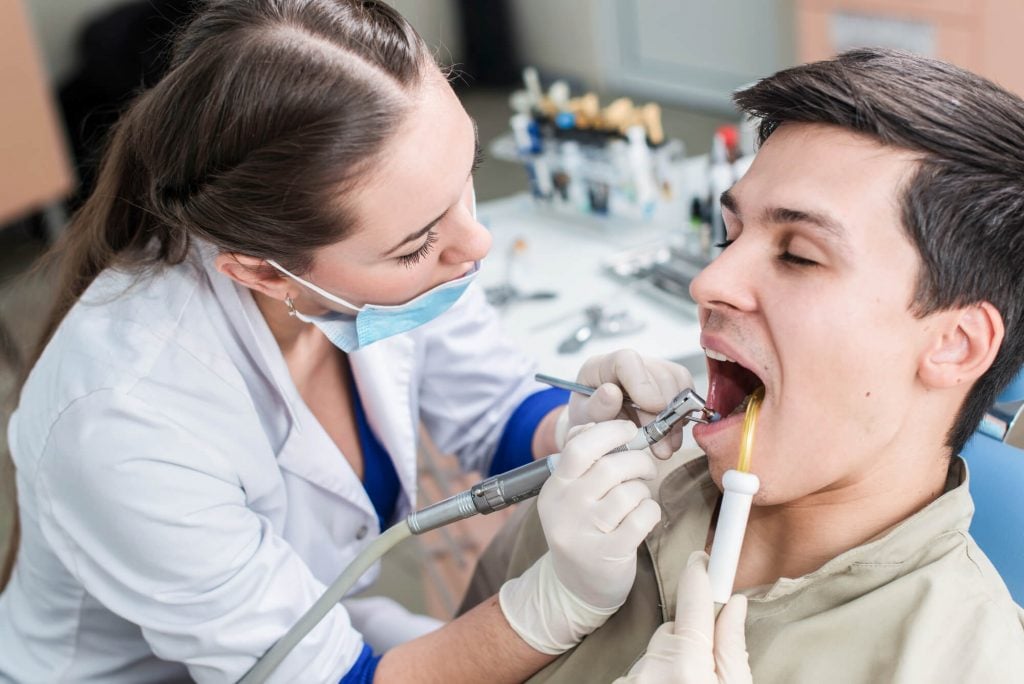
Dentist in Kips Bay removes plaque

TikTok Dental Hacks You Need to Avoid 

Make Your Own Braces 

Braces are costly, so it’s not surprising that inventive minds have attempted to duplicate the technique. A YouTube search for “gap bands” reveals people binding pairs of teeth along with rubber bands to draw them closer together and narrow the gap. When it comes to DIY braces, the stakes are considerably higher than when it comes to the outcome. 

The state of your teeth, bone, and gums must all be considered when teeth are shifted. Straightening your teeth without treating all of these concerns could result in a lot of unnecessary discomfort and, in the worst-case situation, tooth loss. 

Remove the Plaque at Home 

Plaque scrapers are definitely available at your grocery or local drug store, but the majority of dentists advise against using them. It takes specific training to be able to scrape tartar and plaque off your teeth without hurting your gums. Moreover, hygienists and dentists must go through years of training to learn how to do it safely. If used incorrectly, these tools can quickly cause recession and gum damage because of their sharpness.   

Bleach With Raw Hydrogen Peroxide   

Some dentists say that acidic fruits, oil pulling, and activated charcoal are a hoax. They are among the strange tricks and chemicals used in the hunt for pearly teeth. Whitening treatments are more widely available than ever before, but product claims should be taken carefully. 

Hydrogen peroxide is a carcinogenic. So, it can really be dangerous when used unsupervised. Just a simple contact with soft tissue will create damage to your dental health. Likewise, ingestion should be avoided. 

While bleaching at home can cause significant enamel damage and gum recession, direct application to teeth with properly fitting trays or in a controlled manner lessens this impact.  

Remove a Tooth 

Pulling your own teeth, unless it’s a baby tooth, will cause you more harm than good. This practice may have been common in the 90’s, but it’s only done on baby teeth. Removing teeth without training or professional supervision can result in cavitation. It is an infection within a hole in the bone where the tooth used to be.  

A dentist has the sterile instruments needed to enter and thoroughly clean the affected area. Self-extraction without enough training might result in root cracking before it’s completely out. Infection and the need for a surgical operation to correct it will soon occur. 

File your Teeth 

While it may appear that filing a chipped tooth with a nail file is harmless, attempting to smooth rough edges on your own has implications. Enamel can be removed if you don’t know what you’re doing. Once this happens, discoloration of your teeth and susceptibility to stains can occur.  

Looking for a Dentist in Kips Bay 

Doing dentistry without the supervision of a dentist can lead to persistent sensitivity and expose your dental health to infection. Contact Coliseum Dental to know how to take care of your teeth!

Types of Sedation Dentistry You May Want to Know About

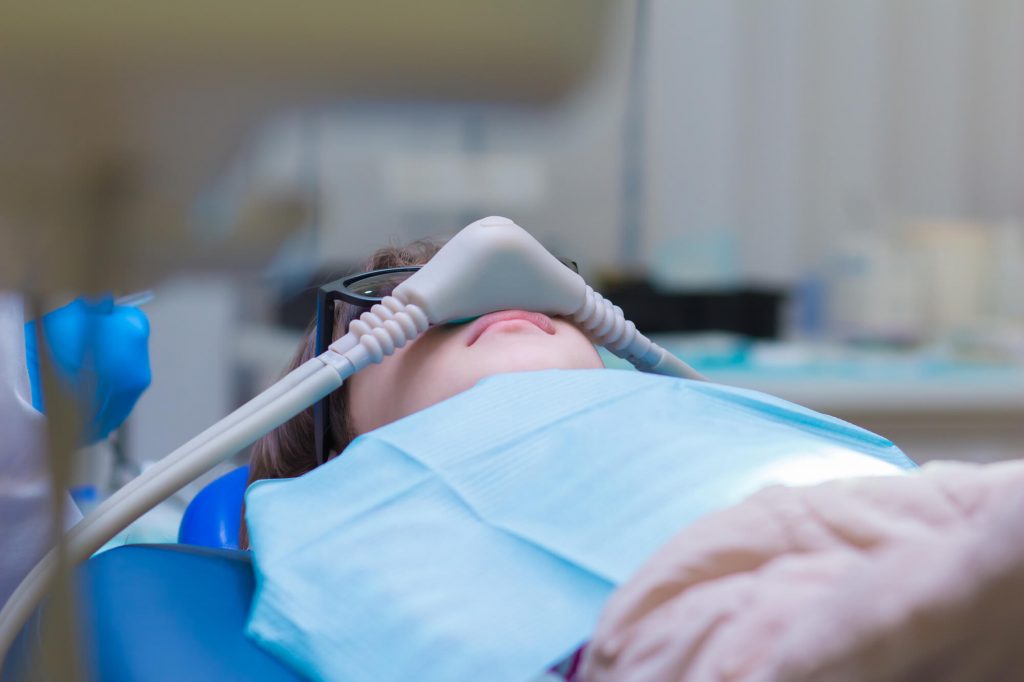
Patient gets sedation dentistry NYC

Do you always fear going to the dentist? Even if you do, it’s best that you don’t put off any scheduled appointments, especially when you feel excruciating pain. Any issues you may have can be addressed by a skilled dentist, and your dental anxiety can be addressed by sedation dentistry in Gramercy Park. 

In the dentist’s chair, sedation dentistry can help you relax. You’ll be able to achieve the dental treatment required to get that healthy smile. Dentists can assist you in determining your sedation dentistry alternatives according to what suits your level of anxiety. 

Adult female dentist treating patient in as part of sedation Dentistry NYC

What Are the Types of Sedation Dentistry? 

IV Sedation 

Sedation Dentistry NYC focuses on using anesthesia and other sedatives to alleviate stress and pain. It comprises three types – IV sedation, oral sedation, and laughing gas. Within the field of this dentistry, all three approaches have a role. However, your health history and other considerations will help your dentist decide which type to use. 

For IV sedation dentistry, an intravenous line is inserted into your vein to ensure a constant supply of sedatives. You’ll be sedated for the duration of the process and won’t feel any discomfort or pain. 

While you’re in the dentist’s chair, you’ll feel protected and relaxed, knowing that you’re getting professional dental care without worry and agony. Dentists likewise keep a close eye on your vital signs and use an oxygen mask to make sure you’re breathing appropriately. 

Laughing Gas 

Nitrous oxide, otherwise known as laughing gas, is safe for all ages. Whether you’re a kid or an adult, this type of sedation dentistry will keep you awake during the entirety of the treatment, but you won’t feel a thing. 

Your dentist may recommend laughing gas to help you relax in the chair if you have a dental phobia. You’ll be required to put a mask over your nose and you’ll be advised to take deep breaths.  

The laughing gas only takes a few moments to take effect. However, unlike other forms of sedation dentistry, laughing gas wears off quickly. As a result, you’ll most likely be able to drive yourself home or return to work.  

Oral Sedation 

For this type of sedation, your dentist will write you an oral sedative prescription. Once you’ve taken the pill, you’ll need someone to drive you to and from the dental clinic since it will make you drowsy. However, if something is required of you while the treatment is ongoing, you’ll still be able to respond. For example, if your dentist asks you to angle your head during the treatment so they can better access a tooth, you’ll be able to do so. 

Aside from providing you with exceptional treatments, your dentist’s main priority is your safety. This is why detailed instructions are provided so you know exactly what to do and what to expect. With oral sedation, you will have to fast for several hours prior to your visit. Hence, it is advisable that you make an appointment in the morning. 

When it comes to kids receiving oral sedation, they will have to stay home after the appointment. Supervision is required until the sedative wears off. 

kid gets sedation dentistry NYC

Want to Learn More About Sedation Dentistry in NYC? 

At Coliseum Dental, we want to ensure that every patient feels comfortable, relaxed, and safe throughout the treatment process. If you have any questions about Sedation Dentistry NYC, feel free to reach out to us

Dental Bridges: Everything You Should Know

Have you ever wondered what its like to revive your teeth with restorative dentistry in Murray Hill? Are you having any hesitations about whether you should do it? Rest assured that there are plenty of ways to enhance your smile and your confidence.  

One of them is having a dental bridge in case you’re missing one or more teeth. It can be used for both cosmetic and medical reasons. A dental bridge comprises one or more synthetic teeth that fills the gap. It allows any possible displacement and gives the appearance of a healthy and beautiful smile.    

ceramic-fake-teeth-for-restorative-dentistry-murray-hill

Types of Dental Bridges    

Traditional Dental Bridge   

The most popular kind of dental bridge is the traditional dental bridge. It is ideal for patients with natural teeth but have a missing tooth. This type is composed of an artificial tooth anchored in place by dental crowns. Additionally, dental crowns are suitable for providing anchor points, while the artificial tooth closes the gap in your teeth, making it look natural.    

Cantilever Dental Bridge    

The difference between this type from the traditional ones is that the fake tooth is positioned by a crown placed and anchored on one tooth. This is commonly used in the front teeth because they can lead to too much stress when placed at the back of the mouth. Enamel removal from the supporting tooth may also be done to improve stability.    

Maryland Bonded Bridge    

This is built using the same method as a traditional dental bridge. Rather than using dental crowns, a metal or porcelain framework acts as an anchor. Since it is joined at the back, a framework reduces changes to neighboring teeth. It can only be performed when both sides of the gap have natural teeth.    

Implant-Supported Bridge    

Dental implants replace crowns or frames. While cantilever bridges are performed on the front teeth, this type of dental bridge treatment uses implants rather than traditional ones. Implant-supported bridges can be carried out in any area of the mouth.  

This dental bridge treatment does not require the support of adjacent teeth and is ideal for more significant gaps, especially involving multiple missing teeth. Implant-supported bridges are also notable for their high durability, and ability to restore normal functioning. The most significant drawback is that they involve surgical procedures and a recovery period.    

Advantages of Getting Dental Bridges    

  • Maintains the original form by preventing bone loss from the jaw in the missing tooth region. 
  • Recovers the ability to chew food properly. 
  • Prevents adjacent teeth from migrating into the empty space that may cause biting difficulties and other complications. 
  • Restores the ability to talk normally as missing teeth can make it difficult to pronounce words correctly.    

Benefits You Can Get from Dental Bridges    

They are well known for their curative and visual benefits. The following are some of the most important ones:    

  • Gaps can usually trigger bone loss in the jaw, and dental bridges help preserve a standard facial shape.    
  • Filling holes in your mouth can help you chew food more smoothly.    
  • They give your jawline a more outward appearance. Gaps in your teeth can give you a deformed impression, especially when you open your mouth.    
beautiful porcelain teeth because of restorative dentistry Murray Hill

Do You Have Any Inquiries About Restorative Dentistry in Murray Hill?    

If you feel you want to have dental bridges for the sake of your overall oral health performance. Give us a call so our dental experts can help you out!