A Roadmap to Restorative Dentistry: Selecting the Ideal Treatment Option

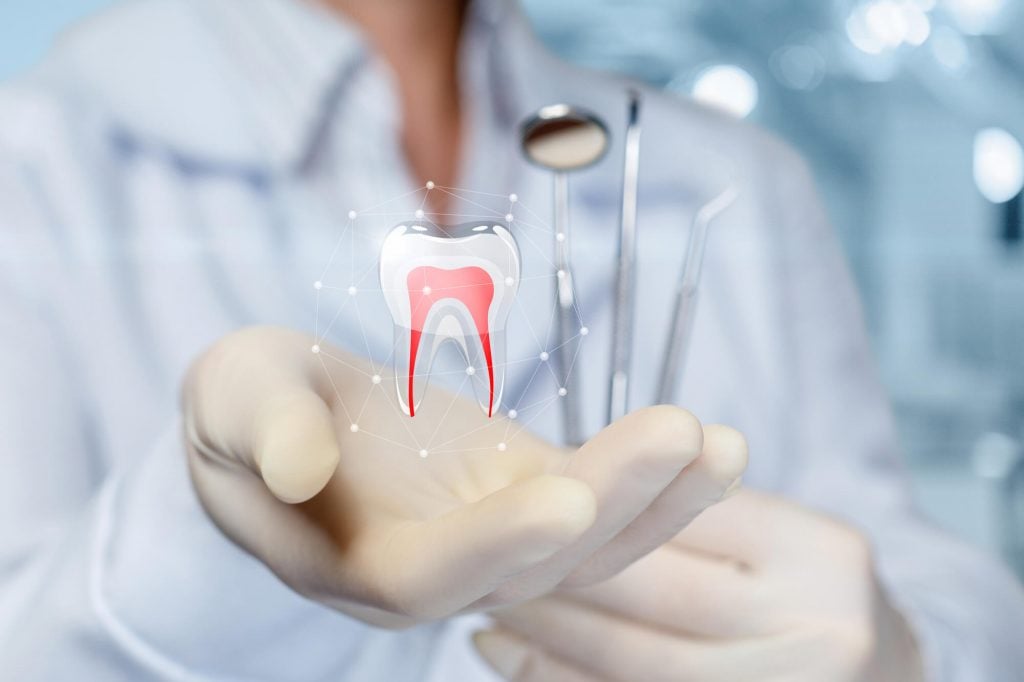
Dentist Murray hill smiling

Whether you need to repair a cavity, replace a missing tooth, or improve the overall appearance of your smile, restorative dentistry has you covered.  

The choices can seem overwhelming – from fillings that restore decayed teeth to crowns that protect and strengthen damaged teeth, and from dental implants that provide a permanent solution for missing teeth to dentures that offer a removable option. 

But fear not! Our experienced dentist in Murray Hill is here to guide you through the process and help you select the best treatment option for your unique needs.  

Dentist Murray hill and a teeth model

Navigating Restorative Dentistry: Choosing the Perfect Treatment for You 

Step 1: Schedule a Comprehensive Dental Evaluation 

The first step on your roadmap to restorative dentistry is to schedule a comprehensive dental evaluation with your trusted dentist. During this visit, your dentist will examine your oral health, discuss your concerns and goals, and assess the extent of any dental issues. This evaluation allows your dentist to gather essential information to determine your ideal treatment options. 

Step 2: Understand the Available Restorative Dentistry Options 

Restorative dentistry encompasses a range of treatments, including fillings, crowns, bridges, dental implants, and dentures 

Take the time to understand each option, its benefits, and its suitability for your situation. Your dentist will explain these treatments in detail, addressing any questions or concerns you may have. By familiarizing yourself with the available options, you’ll be better equipped to make an informed decision. 

Step 3: Consider Long-Term Dental Health Goals 

During your consultation, discuss your long-term dental health goals with your dentist. Are you seeking a durable, low-maintenance, or aesthetically pleasing solution? Do you prioritize preserving the natural structure of your teeth or are you open to replacement options? Understanding your goals will help your dentist tailor the treatment recommendations to align with your desires and lifestyle. 

Step 4: Evaluate Affordability and Insurance Coverage 

Restorative treatments can vary in cost, depending on factors such as the complexity of the procedure and the materials used. Talk to your dentist about the financial aspects of each treatment option and explore any potential insurance coverage. They can provide a clear breakdown of the costs and discuss payment plans or financing options to make the treatment more affordable. 

Step 5: Trust Your Dentist’s Expertise and Recommendation 

Your dentist is a highly trained professional with a deep understanding of restorative dentistry. After evaluating your oral health, discussing your goals, and considering your financial situation, they will provide a tailored recommendation. Trust their expertise and rely on their guidance to select the ideal treatment option to restore your smile and improve your oral health. 

Dentist Murray hill fabricating dentures

Looking for a Dentist in Murray Hill for Your Restorative Dental Needs?

Restorative dentistry offers a range of treatment options to help you regain a healthy and beautiful smile. By following this roadmap and consulting with your dentist, you’ll be ready to select the ideal treatment option for your needs. Take the first step toward achieving a radiant smile by scheduling a consultation with Coliseum Dental today! 

How Are Laser Treatments Performed?

Doctor performing Laser Dentistry in midtown Manhattan on a patient 

Drilling and long-numbing needles are the most feared aspects of dental work. The good news is that there are superior alternatives. Thanks to laser dentistry in Midtown Manhattan, cavities and other oral health issues can be treated naturally without using dental drills or hazardous chemicals.   

Your dentist can perform a variety of day-to-day dental operations using lasers. Dentists can preserve more of your natural tooth structure and gum tissue with laser treatments. In contrast to conventional therapies, most of these procedures are performed without anesthesia.  

Patient getting treated with Laser Dentistry in midtown Manhattan 

Expectations, Benefits, and Drawbacks of Laser Dentistry

What to Expect

Most laser dentistry procedures resemble their related dental procedures quite closely. For instance, if your dentist is utilizing a dental laser to fill a cavity, they would follow the same steps as they would for a conventional filling, but instead of using a drill, they will use a laser to remove tooth rot.   

Depending on the operation, your dentist may need to provide anesthesia to numb your mouth. For instance, deeper cavities require numbing shots, while very shallow cavities may not.   

After preparing your mouth, your dentist will use a laser to complete the procedure. They will utilize the laser to remove tooth decay in cases of cavities. You may also hear popping sounds when the laser vaporizes the tooth-decaying areas.  

Likewise, your dentist will fill the cavity after removing the decayed tooth, the same as they would if they were using a dental drill. However, dentists frequently need to shape and polish the composite with a drill, even with laser operations.   

Compared to the identical procedure performed using conventional methods, most patients report less pain following laser dental procedures. The nerves in your mouth can heal more quickly with laser treatments, hastening the process of returning things to normal.  


What Are the Benefits?

What advantages can laser dentistry offer? Among the benefits of laser dentistry are the following:  

  • No Sutures Are Required – Sutures are needed for several dental treatments, like soft tissue biopsies, when done by conventional means. There is no need for sutures when dentists or oral surgeons perform these operations with a laser.  
  • Early Dental Problem Identification – Lasers can identify cavities, germs, and other dental issues earlier than other techniques. For instance, this method can frequently recognize dental decay before it is visible on an x-ray or during a standard checkup.  
  • Leaving Healthy Tissues Intact – Dental drills for cavity treatments remove some good tooth tissue. You can maintain more of your natural tooth because laser treatments only remove the decaying tooth portions.  
  • Less Bleeding and Pain – Dental lasers cut through soft tissue by enclosing blood vessels and nerve endings, minimizing bleeding and post-operative discomfort.  
  • A Quicker Recovery Period – Dental surgeries performed with laser technology heal faster than those achieved with conventional methods.  


What Are the Drawbacks?

Some laser dental procedures require an anesthetic. In specific scenarios, numbing shots might still be necessary. It’s also important to remember that teeth with fillings or other dental treatments cannot be treated with laser dentistry. Additionally, lasers cannot be used on dentures or dental implants.  

What Distinguishes a Laser Procedure from a Conventional Filling?  

The method used to remove the decayed tooth tissue—a dental drill or a laser from the dentist—distinguishes laser treatment from a conventional filling. Less healthy tooth tissue is also removed during laser procedures. 

Person smiling while getting Laser Dentistry treatment in midtown Manhattan 

Is Laser Dentistry in Midtown Manhattan Worth It?   

In many aspects, laser dentistry can be superior to conventional techniques. Compared to traditional dental surgery, it’s typically less painful, doesn’t harm tissues as much, and most patients recover more quickly. Please schedule an appointment with us to learn more about laser dentistry.

Best Food for Your Teeth

happy patient smiles at dentist in Murray Hill

Brushing and flossing are only the beginning of proper dental hygiene. There are many beneficial habits to develop in order to keep your smile bright and beautiful, but don’t forget the tremendous cleansing capabilities of common meals. Below are the foods listed by a dentist in Murray Hill that are excellent for your teeth. These will aid in the development of healthy teeth and gums, as well as the prevention of tooth decay and gum disease. 

nuts not recommended by dentist in Murray Hill

Foods Highly Recommended by Dentists 

Chocolate 

Yes, you read that correctly. Chocolate! (If it contains at least 70% cacao and is consumed in moderation.) 

Dark chocolate is a superfood for your teeth because it contains a component called cocoa bean husk (CBH), which has been shown to help harden tooth enamel, reducing the risk of tooth decay. However, not all chocolate is beneficial to your health. The good thing is found in the cocoa bean, not the chocolate, so go for the dark chocolate and remember to brush your teeth afterward. 

It’s best to avoid chocolate with nuts if you have braces. It’s also a good idea to keep your chocolate sweets at room temperature rather than in the fridge, as cold, hard chocolate can be difficult to chew. 

Black and Green Teas 

Polyphenols, found in both green and black tea, interact with plaque-causing bacteria, killing or inhibiting them. Bacteria feed on the sugars in your mouth and then emit acidic acids that eat away at your tooth enamel. Also, tea is an excellent choice during or after a meal since it reduces the prevalence of acid-producing bacteria in the mouth. 

Onion 

While you may not enjoy biting into an onion, adding it to salads or stir fries might help strengthen your teeth. In reality, the humble onion helps eliminate harmful germs in the mouth and throughout the body, making it a true superfood. 

bag of vegetable carried by a dentist in Murray Hill

Celery 

Celery is a high-fiber vegetable that is worth mentioning when it comes to maintaining your dental health. With each delectable bite, this crunchy superfood effectively cleans your teeth. Because it needs aggressive chewing, it creates a lot of bacteria-fighting saliva, which is beneficial to your general oral health. 

Water 

The breakdown of food, neutralization of bacterial acid and prevention of dental decay all require optimal levels of water in your saliva. While water isn’t as effective as a toothbrush and floss in removing plaque, it can help by rinsing away food particles. After drinking coffee or eating highly pigmented meals, rinsing with water can help decrease tooth stains. 

Oranges 

Given that oranges are a citrus fruit, this one may come as a surprise. It contains vitamin C, which strengthens blood vessels and connective tissue and, by lowering inflammation, inhibits the onset of gum disease. 

Make oranges, grapefruits, and other citrus fruits a regular part in your fruit bowl. But, remember to wait at least half an hour after eating citrus fruits before cleaning your teeth since the acidic component may harm them. 

Vegetables and Fruits 

If you don’t have a toothbrush with you, don’t worry. Fruits and vegetables high in fiber are your next best bet. Their high fiber content ‘scrubs’ the teeth in the same way as a toothbrush does, and the extra chewing they require encourages saliva production

Salad greens are packed with nutrients, and the high-water content of crisp, juicy fruits and vegetables helps to balance out their sugar level. Keep fresh carrots, celery, cucumber, and apples on hand at all times because they’re sometimes referred to as “nature’s toothbrushes”. So, when you forgot to bring your toothbrush at a weekend getaway, getting high in fiber fruit or vegetable will do the trick. 

fruits recommended by a dentist in Murray Hill

Effective Dental Health Tips From a Dentist in Murray Hill 

At Coliseum Dental, we make sure that our tips are effective and practical. Schedule an appointment today to get in touch with our professionals. 

The Ugly Truth About Tooth Decay

Dentist Murray hill Holding a Dental Tool

Every dentist in Murray Hill knows that tooth decay has been linked to various long-term health difficulties in recent years, although it was once thought to be a minor nuisance.  What makes some people more prone to tooth decay than others, and what are the reasons behind this? The chewing surfaces or proximal contacts of teeth are where most tooth decay begins. Tooth decay remains a crucial but frequently disregarded element of one’s general health, as it is an essential factor affecting dental health issues that you can confront. In addition, bone loss or insufficiency may likewise contribute to the development of tooth decay. Birth or a low calcium intake in the food, contrary to popular belief, is not the cause of osteopenia – a condition that begins when you have weak bones or insufficient bone mass.   

dentist-holding-tooth-model

Basics of Tooth Decay  


How It Happens  


The buildup of acidic substances in the mouth results in tooth decay, and it causes the outer layers of the teeth to erode and dissolve over time. This is made possible when a tooth loses its protective outer coating, causing it to wither and begin to disintegrate, thereby starting the tooth decay process. When it comes to this dental problem, it is a progressive disease that doesn’t show up right away but instead takes time to develop and deteriorate over time as it advances. Although the concept of decayed or broken teeth may seem unpleasant, the detrimental and infectious concerns that can lead to the decay of your teeth are what truly make this a critical situation. The effects can be significant or even life-threatening once left untreated for prolonged periods if left untreated.   


Signs and Symptoms


Dentists are quick to identify the first signs of tooth decay. Ignoring such problems can be an expensive mistake because it permits the disease to grow and become more difficult to cure. As a result, while not all of the symptoms described below are clear markers of tooth decay, you should see your dentist for a thorough examination if you see any of them.   

  • Tooth sensitivity that isn’t explained or that occurs on its own   
  • Persistent bad breath 
  • Pain ranging from moderate to severe when eating or drinking hot or cold foods   
  • Teeth and surrounding gumline are discolored   

After tooth decay has progressed to a more severe stage, bacteria will begin to spread throughout the body when they reach the body’s blood vessels. The bacteria will cause clots to form and the heart to become damaged, affecting the heart’s blood vessels.  


Prevention Is the Key   


To be safe, keep in mind that severe tooth decay, like a long hike, takes a long time to reach this position and is difficult to stop or slow down once it has started, so prevention is the key. Cleaning your teeth daily, especially the occlusal surfaces and proximal contacts, prevents plaque from building on these surfaces, which are the most vulnerable. If you don’t use fluoride toothpaste, brushing your teeth isn’t as effective. By preventing dental decay or stopping it while it is still in its early stages, you have the best chance of avoiding it.   

patient-smiling-to-dentist-after-consultation

Looking for the Best Dentist in Murray Hill to Take Care of Your Teeth?   

For those who believe they’re suffering from tooth decay, or you are in doubt about your oral health, our dental experts are ready to assist you. Give us a call if you have any questions!