The Future of Comfortable Dentistry: Why Sedation Is Changing the Patient Experience

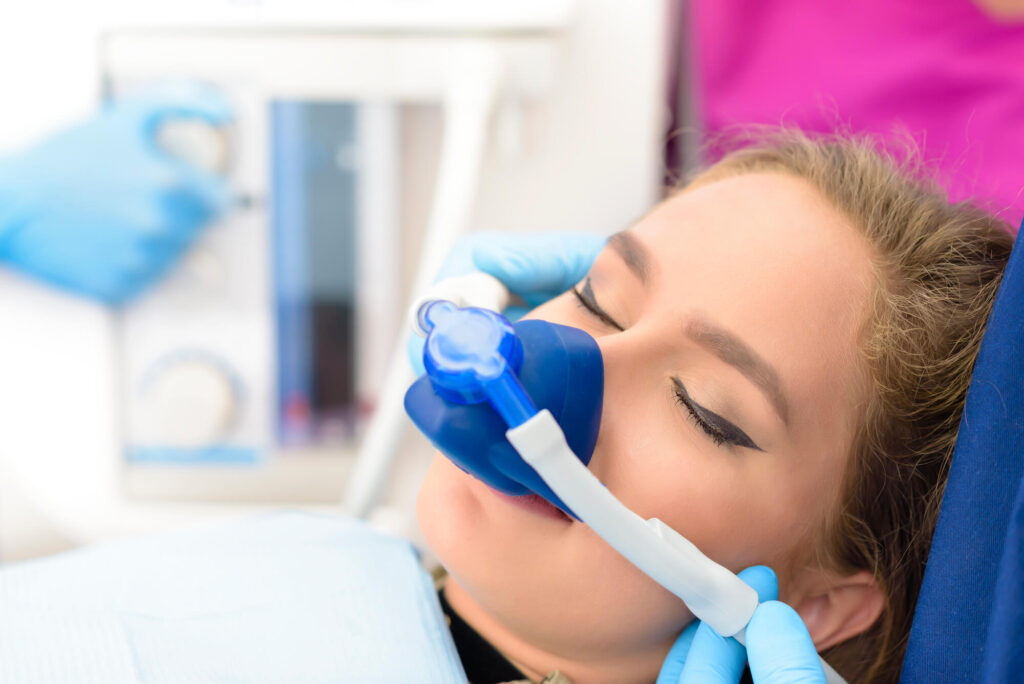
happy-woman-at-the-dentist-after-sedation-dentistry-in-Murray-Hill

Modern dentistry no longer just treats teeth; it’s increasingly transforming the overall patient experience. For many people, dental anxiety has long been a barrier to receiving consistent care.  

Today, sedation dentistry in Murray Hill is reshaping that experience by making treatments more comfortable, accessible, and stress-free. As technology and patient-centered care continue to evolve, sedation is playing a major role in the future of dentistry.
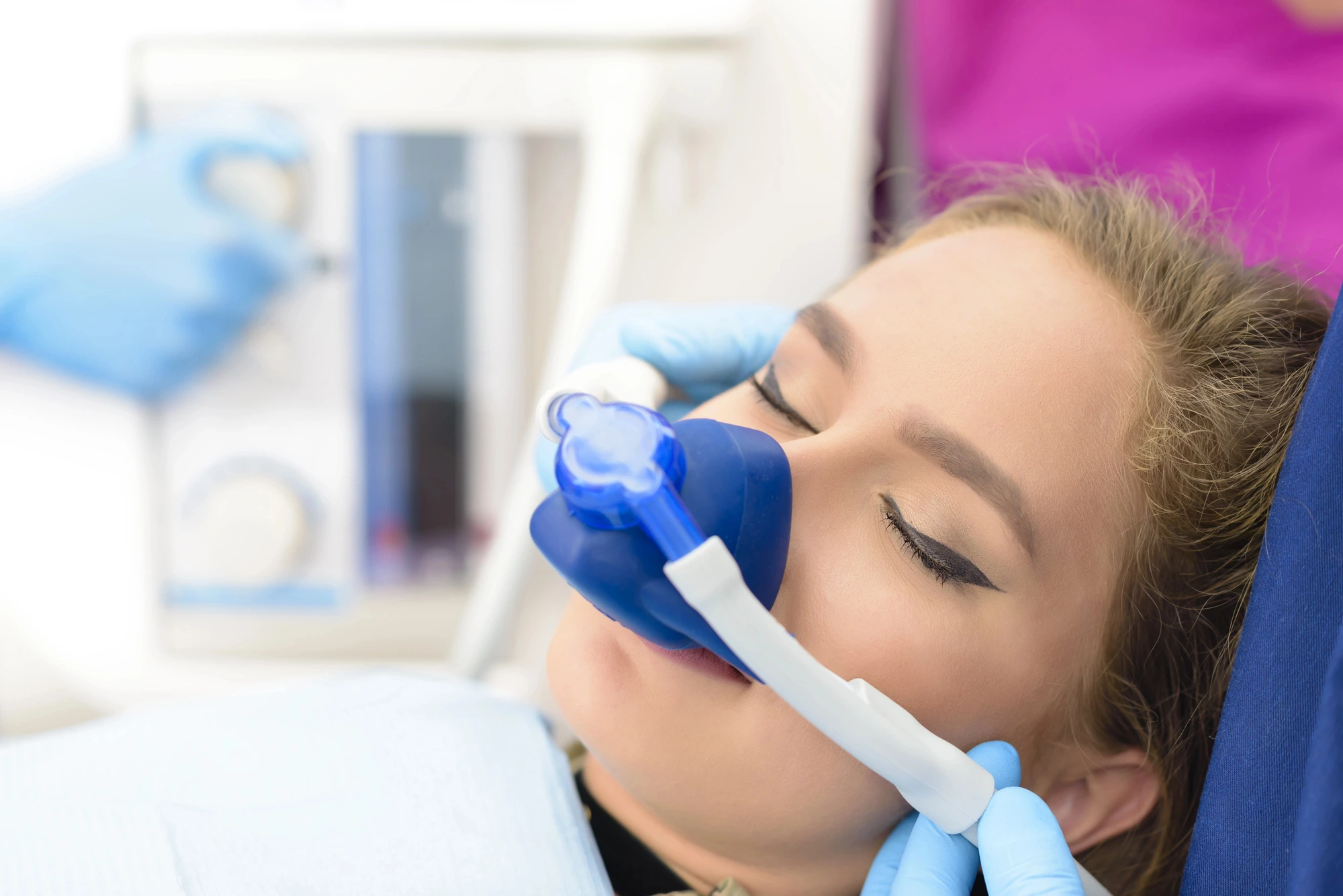
young-woman-with-appliance-for-sedation-dentistry-in-Murray-Hill

Why Dental Anxiety Has Been a Longstanding Barrier 

Dental fear is far more common than many people realize. For some, it stems from a past negative experience, while others feel uneasy due to the sounds, sensations, or perceived discomfort associated with dental procedures. Whatever the cause, anxiety often leads patients to delay or avoid care altogether. 

The Result of Avoidance 

When dental visits are postponed, small issues can develop into more complex problems over time. This often results in: 

  • More extensive dental treatments later on, like root canals 
  • Increased discomfort during procedures 
  • Higher overall treatment costs 
  • Greater risk of oral health complications 

Avoiding the dentist may feel easier in the short term, but it often leads to more challenging outcomes in the long run. 

What Sedation Dentistry Offers Today 

Sedation dentistry provides patients with a way to receive dental care while feeling calm and relaxed. Rather than eliminating awareness completely, sedation helps reduce anxiety and discomfort, allowing patients to undergo treatment more comfortably. 

Common Types of Sedation 

Modern sedation dentistry typically includes several safe and effective options: 

  • IV sedation – administered through a vein for a deeper level of relaxation 

These options allow dental care to be tailored to each patient’s comfort level and treatment needs. 

Key Benefits of Modern Sedation 

  • Reduced anxiety during procedures 
  • Greater comfort for longer treatments 
  • Ability to complete multiple procedures in fewer visits 
  • Improved patient cooperation and experience 

The Shift in Patient Experience 

Sedation has helped dentistry evolve into a more patient-centered field by enabling: 

  • Increased return of patients who avoided care due to fear 
  • Easier completion of complex treatments like dental implants and restorations 
  • More efficient treatment planning and fewer appointments 
  • Higher levels of patient satisfaction and trust 
  • A more positive overall perception of dental care 

In many ways, dentistry is shifting from a stressful necessity to a more comfortable and approachable healthcare experience. 

FAQs About Sedation Dentistry 

Are You Asleep with Dental Sedation? 

Not always. The level of awareness depends on the type of sedation being used. Many forms of dental sedation help patients feel deeply relaxed while remaining awake and responsive, while deeper forms of sedation allow patients to sleep through treatment. 

Is Dental Sedation Safe? 

Yes, dental sedation is considered safe when administered by trained dental professionals. Before treatment, your dentist will review your medical history, current medications, and overall health to determine the most appropriate sedation option for your needs. 

How Do You Prepare for Sedation Dentistry? 

Patients may be asked to avoid eating or drinking for several hours before their appointment, and should arrange for someone to drive them home afterward if deeper sedation is used. 

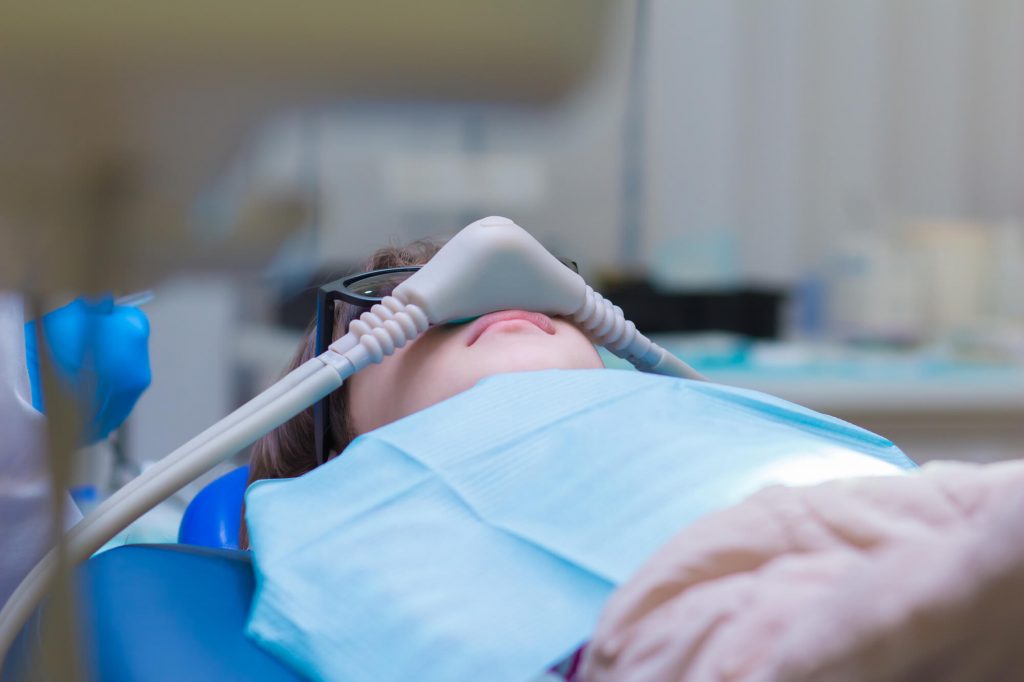
Your dental team will provide detailed pre-treatment instructions to help ensure a safe and comfortable experience. little-girl-receiving-sedation-dentistry-in-Murray-Hill
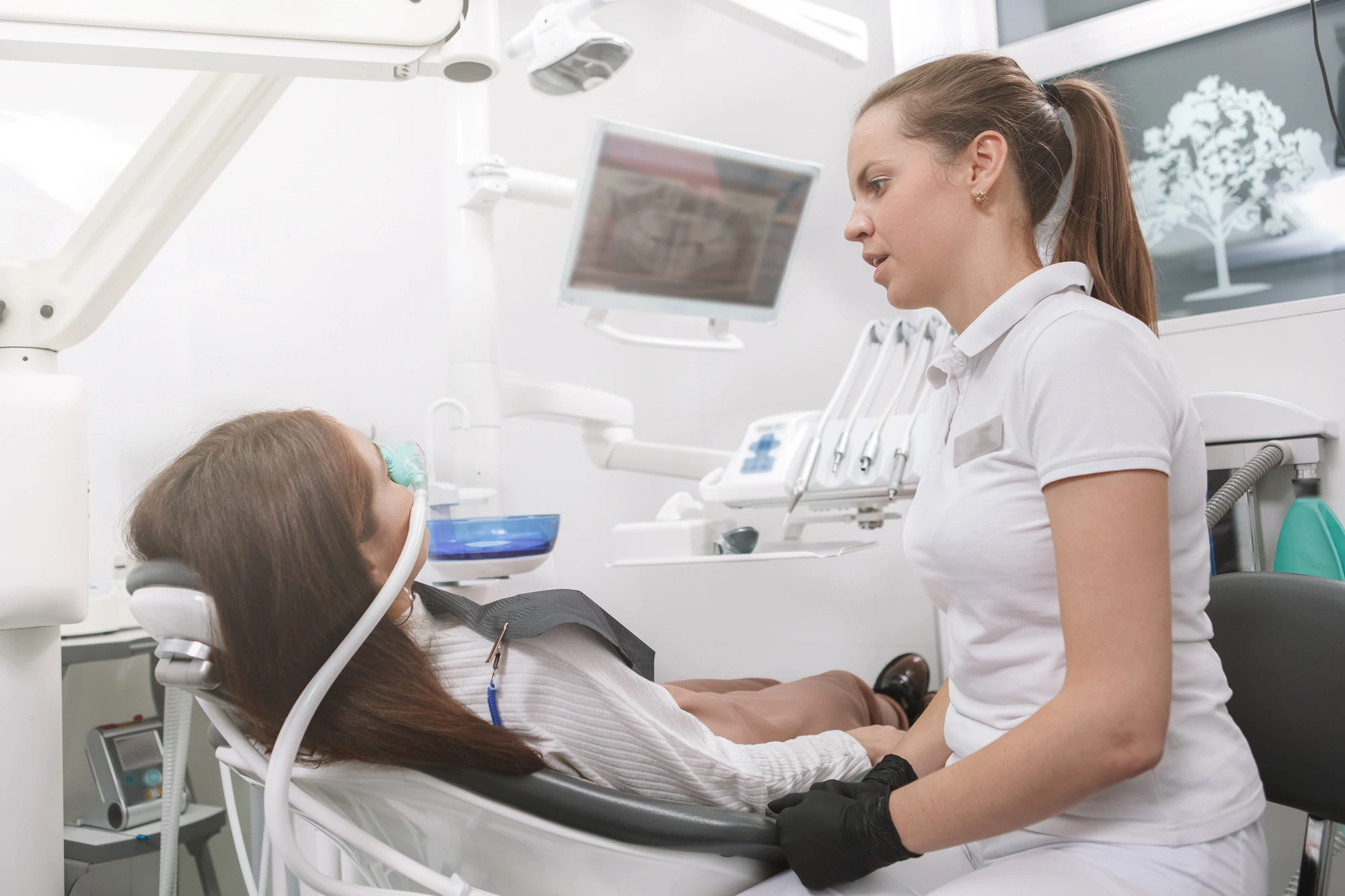
Experience a More Comfortable Way to Care for Your Smile with Sedation Dentistry in Murray Hill 

At Coliseum Dental, we believe that patient comfort should be a priority. If dental anxiety has been holding you back, you don’t have to postpone your oral health any longer. 

Call us today or schedule an appointment online to learn how nitrous oxide and IV sedation can help you receive the care you need in a calm, relaxed, and supportive environment.

Sedation Dentistry and Diet: Guidelines for a Smooth Experience

Sedation dentistry Gramercy park printed on tooth over black background

Dental anxiety or the fear of dental procedures is a common issue that prevents many individuals from seeking necessary dental care. Fortunately, sedation dentistry in Gramercy Park has become a comforting solution, allowing patients to relax during dental visits. 

Whether you’re considering sedation for a major procedure or simply to ease your dental fears, proper dietary choices play a crucial role in ensuring a smooth and safe experience. 

patient under inhalation Sedation dentistry Gramercy park

The Connection Between Diet and Sedation Dentistry

Pre-Sedation Dietary Guidelines

Before undergoing sedation dentistry, it’s important to prepare your body by following specific dietary guidelines. These guidelines are designed to ensure your safety, comfort, and overall well-being during and after the procedure. 

  1. Stay Hydrated: Proper hydration is crucial in the days leading up to your sedation dentistry appointment. Drink an adequate amount of water to keep your body well-hydrated. 
    Avoid excessive consumption of caffeinated beverages like coffee or tea and alcoholic beverages, as they can contribute to dehydration. Being well-hydrated helps your body process medications more effectively. 
  2. Light Meals are Best: Opt for light and easily digestible meals on the day of your procedure. Avoid heavy or spicy foods that could cause discomfort during dental treatment. 
    Instead, focus on plain yogurt, oatmeal, or a simple salad. A light meal reduces the risk of nausea or digestive issues while under sedation.
  3. Follow Your Dentist’s Instructions: Your dentist or oral surgeon may provide specific dietary instructions based on the type of sedation used and the nature of your dental procedure. It’s crucial to follow these guidelines closely to ensure your safety and the effectiveness of the sedation.

Post-Sedation Dietary Guidelines

After your sedation dentistry procedure is complete, paying attention to your diet is equally important to support a smooth recovery and minimize any potential discomfort. 

  1. Start with Soft Foods: Begin your post-sedation diet with soft and easily chewable foods. Examples include yogurt, applesauce, mashed potatoes, and smoothies. These foods are gentle on your teeth and gums, reducing the risk of post-procedure irritation or discomfort.
  2. Avoid Hot or Spicy Foods: After your dental procedure, it’s best to avoid hot or spicy foods for a little while. Your mouth and throat may still be sensitive, and consuming such foods could lead to discomfort or irritation.
  3. Stay Hydrated: Continue to drink water to stay hydrated after the sedation wears off. Proper hydration is essential for the recovery process and helps flush any remaining sedative substances from your system.
  4. Follow Your Dentist’s Recommendations: Your dentist will likely provide specific post-sedation dietary recommendations based on your situation. These instructions may include dietary restrictions or preferences to promote a more comfortable recovery. 

inhalation Sedation dentistry Gramercy park

Do You Have Questions About Sedation Dentistry in Gramercy Park?

Paying attention to your diet before and after sedation dentistry can contribute to a more comfortable and successful dental experience. If you have questions or need further guidance on sedation dentistry, don’t hesitate to reach out to our experts. Contact Coliseum Dental East today to schedule an appointment and discover the comfort and ease of sedation dentistry. Your smile deserves it!

The Role of Sedation Dentistry in Complex Dental Procedures

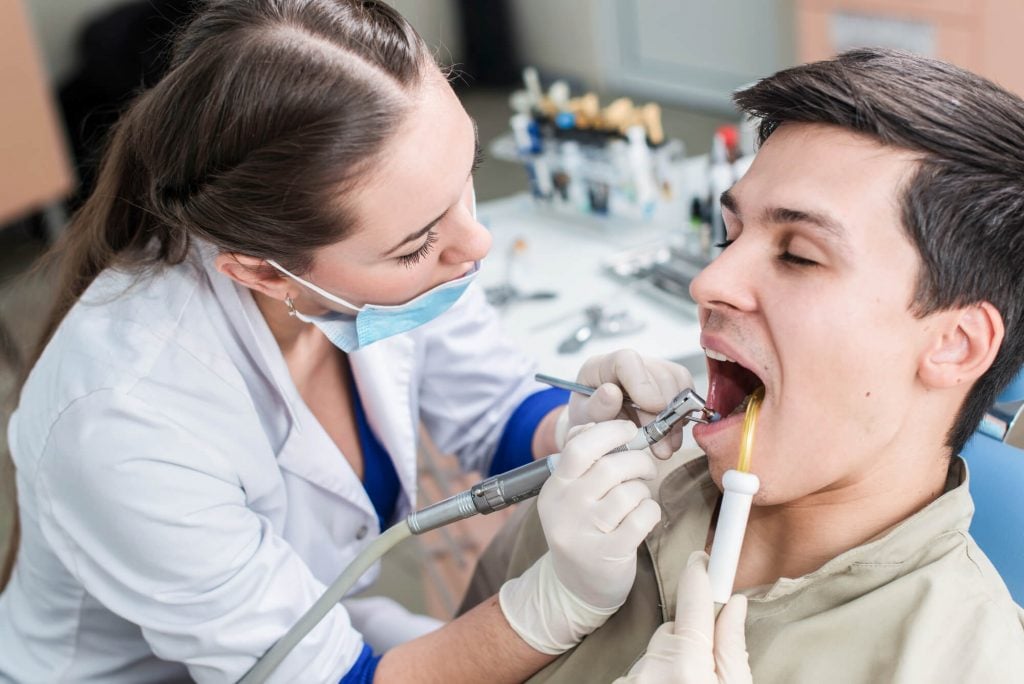
dentist performing procedure while patient is under Sedation Dentistry Murray Hill

Have you ever felt anxious or fearful when faced with the thought of undergoing complex dental procedures? If so, you’re not alone. Many people experience dental anxiety, hindering their ability to receive necessary dental treatments.  

Fortunately, sedation dentistry in Murray Hill offers a solution to make these procedures more comfortable and manageable. In this blog post, we will explore the important role of sedation dentistry in complex dental procedures, highlighting its benefits and how it can enhance your dental experience. 

a girl under inhalation Sedation Dentistry Murray Hill

Understanding Complex Dental Procedures 

Complex dental procedures, such as dental implant surgery or full mouth reconstruction, often involve intricate steps and can be time-consuming. They may also pose challenges and potential complications. It’s crucial to ensure patient comfort and relaxation during these procedures, as it can significantly impact the patient’s experience and the overall treatment outcome. 

The Benefits of Sedation Dentistry in Complex Procedures 


Sedation dentistry plays a vital role in complex dental procedures, offering several key benefits that enhance the patient’s experience and contribute to the success of the treatment. 

  1. Pain and Anxiety Management: One of the primary advantages of sedation dentistry is its ability to alleviate pain and reduce anxiety. By using sedation techniques, dental professionals can help patients feel more relaxed and at ease during complex procedures. This leads to a more positive dental experience, allowing patients to undergo necessary treatments without fear or discomfort.
  2. Improved Patient Cooperation: Complex dental procedures often require patients to remain still and cooperate throughout the treatment. Sedation dentistry helps achieve this by inducing a state of relaxation, allowing patients to remain calm and cooperative. This enables dentists to perform intricate procedures more efficiently and accurately, ensuring optimal results.
  3. Increased Safety and Efficiency: Sedation dentistry enhances patient safety during complex procedures. Sedation reduces the risk of complications and injuries by keeping patients relaxed and minimizing movement. It also allows dental professionals to maintain better control over the treatment process, ensuring precise and accurate work.
  4. Time Optimization: Incorporating sedation dentistry in complex procedures can optimize time and reduce the required appointments. With sedation, dentists can often perform multiple treatments in a session, minimizing the overall duration. This saves patients time and reduces the inconvenience of multiple visits, making it more efficient for the dental team and the patient.

Patient Selection and Precautions 


Before administering sedation, dentists carefully evaluate patients to determine their eligibility and suitability for sedation dentistry. Certain medical conditions or contraindications may affect the choice of sedation options. Dentists take necessary precautions and follow proper protocols to ensure patient safety throughout the procedure. 

Sedation dentistry is crucial in making complex dental procedures more comfortable and accessible for patients.   

Sedation dentistry allows dental professionals to perform intricate treatments easily and efficiently by managing pain, reducing anxiety, and enhancing patient cooperation. Whether you need dental implants, a full mouth reconstruction, or any other complex procedure, we are here to provide a relaxing and pleasant dental experience. 

woman relaxed while under inhalation Sedation Dentistry Murray Hill

Do You Have More Questions About Sedation Dentistry in Murray Hill?  

If you’re considering a complex dental procedure but have concerns about pain or anxiety, sedation dentistry could be the solution you’ve been looking for. At Coliseum Dental, we provide comfortable and stress-free dental experiences, utilizing sedation techniques tailored to meet each patient’s unique needs. Contact us for an appointment.  

What You’ll Feel After Sedation Dentistry

dentist uses syringe to administer sedation dentistry in Gramercy Park

Almost all patients know that “laughing gas” and other sedative options are used in hospitals. However, few only know about sedation dentistry in Gramercy Park. One type of sedation used by dentists is laughing gas, but it’s not the only one. Dentists can safely give you a sedative to help you unwind during painful dental treatments, including oral surgery.

Laughing gas (nitrous oxide), oral sedation, and intravenous (IV) sedation are some of the several forms of sedation. Nearly all dentists are qualified to give nitrous oxide inhalations or recommend oral sedatives, but they must have the appropriate certification to provide IV sedation.

sedation dentistry in Gramercy Park such as nitrous oxide

What Are the Side Effects of Sedation Dentistry?

Headache Is Possible as a Side Effect

After being sedated, a headache may set in. The facial and scalp muscles may contract because of the anesthesia, but this will subside quickly once the recovery starts. If you have a headache, you don’t have to panic. However, if it persists or becomes painful, you must consult a dental professional.

Low Blood Pressure

Reduced brain metabolism, blood flow, and intracranial pressure are all effects of sedation. The adverse effects of headache, tiredness, and dizziness may also result from low blood pressure. Nonetheless, dental professionals are very cautious about this, especially when they are dealing with seniors.

A Long Reflex

It is natural to expect that it will take some time for your body to resume its “normal” state after waking up from a sedative state. This is because the effects of sedation will slow down some parts of the entire body.

Give your body a day to rest so that your reflexes will have enough time to catch up. It would help if you also kept someone at your side following the procedure. Ensure you have a few obligations or activities that could jeopardize your safety at home. Avoid tasks like cooking that call for quick reactions and heavy lifting. All these apply only when you are heavily sedated. It’s important to note that most sedatives subside quickly and will not affect your day.

Forgetfulness

A patient can enter a “twilight state” when dentists use moderate sedatives like nitrous oxide. This state indicates that the patient isn’t aware of what they’re saying and is likely to forget what they said when things get back to normal. Be prepared for the possibility that you won’t remember anything that happened during the process and avoid engaging in any activities that call for intense attention or important judgment calls.

Sluggish Feelings and Drowsiness

You’ll feel heavy or sluggish after receiving sedation dentistry since it causes your muscles to relax to the extent of a trance-like state – this is quite normal. However, after receiving sedation, it is strongly advised that no one drives themselves home or operates large or complicated machinery.

Drowsiness during surgery is a very frequent side effect of sedation, and many patients discover that this effect persists for a long time after the treatment is finished. It’s typically advised to arrange for someone to drive you home after surgery because some gases can make you sleepy or affect your perception. To regain your strength following sedation, make sure to obtain as much sleep as you can.

dentist performs sedation dentistry in Gramercy Park

Advantages of Sedation Dentistry in Gramercy Park

The simple benefits of sedation dentistry include being conscious during dental procedures for those who experience dental phobia or anxiety. When it comes to uncomfortable and painful operations, such as getting braces installed or having a tooth extracted, sedatives are also strongly advised.

Sedation dentistry ultimately helps patients receive dental care without being hindered by fear or anxiety, enabling them to attain greater oral health and more attractive smiles. Give us a call if you have any questions.

How I’ll Feel After Sedation Dentistry

learn about Sedation Dentistry Murray Hill

If visiting the dentist makes you anxious, consider sedation dentistry in Murray Hill. You can overcome any dental phobia with dental sedation, finally allowing you to unwind throughout your surgery. Here’s what you’ll experience when you opt for sedation dentistry. 

Sedation Dentistry Murray Hill

Types of Sedation Dentistry and How It Feels 

What Does Sedation Feel Like? 

The purpose of dental sedation is to relax you. Therefore, patients who undergo sedation frequently report feeling at ease and slightly sleepy. The dental procedure’s tension and stress go.  

Naturally, the degree of this sensation varies considerably depending on the type of sedation, the required level, and even the patient’s tolerance. Depending on the kind of sedative used during their surgery, patients express various emotions experienced during “sleep dentistry.” Please read on to understand what to anticipate from each type of dental sedation. 

Types of Sedation 

  • IV Sedation 

IV sedation produces a deeper level of sedation than oral or gas sedation. Patients may struggle to stay awake because they often enter an intense level of relaxation. However, there are also instances when you’re still awake after administering this sedative. In essence, IV sedation produces similar, intensified, safe emotions to those who experience oral sedation. 

  • Oral Sedation 

You can anticipate a greater sense of relief and relaxation with oral sedation. You’ll probably feel sleepy, and you might have trouble speaking. Reflexes and coordination are also slowed down by this type of sedation. Some patients report feeling weighed down. A hazy memory or memory loss following the operation is also frequent. Additionally, patients claim that oral sedation causes time to pass more quickly. 

  • Laughing Gas or Nitrous Oxide 

You might detect the scent of grapes or other fruits if the gas has a smell. Your arms and legs may feel a little tingling, relaxed, and light. Some patients can get giddy and have a “euphoric mood.” It also lessens your pain sensitivity and slows down your reaction speed. 

Prevention of Pain and Sedation

Many people question if you can still feel discomfort when receiving oral or IV sedation. Contrary to anesthesia, which renders you unconscious and painless, the primary goal of conscious sedation is to make you feel relaxed. Even though nitrous oxide has some benefits for pain management, your dentist will still use a local anesthetic to ensure you don’t feel anything during the treatment. 

If you’re concerned about how painful IV sedation is, you can relax. The IV placement is the only unfortunate part. Additionally, if you’re terrified of needles or have a high pain threshold, talk to your dentist about ways to make IV sedation comfortable. 

How Soon Do Dental Sedatives Start Working?

Your body metabolizes different sedatives at varying rates. The effects of oral sedatives take between 30 and 60 minutes to become apparent. In 3 minutes, nitrous oxide starts to work. Within a few minutes, IV sedation begins to take effect as well. 

Consult your dentist about sedation dentistry if any of these apply to you. Using sedation dentistry, your dentist can make it simpler for you to obtain necessary procedures like fillings, extractions, root canal therapy, dental implants, crowns, bridges, and more. 

If you are only getting a routine dental cleaning, dental x-ray, or tooth whitening operation, you probably won’t need dental sedation.  

Patient with Sedation Dentistry Murray Hill

Are You Looking for Safe Sedation Dentistry in Murray Hill?

At Coliseum Dental, we ensure that our treatments are safe and effective. For more details, contact us today! 

Effects of Each Type of Sedation

Sedation Dentistry in NYC form
A high percentage of individuals are frightened of seeing the dentist and find it nauseating to consider having dental work done. Fortunately, sedation dentistry in NYC allows dentists to offer their patients quality treatment while feeling relaxed and at ease in the dental chair.  inhalation Sedation Dentistry in NYC Sedation Types and Their Effects
Inhaled Minimal Sedation For this type of sedation, nitrous oxide (often known as “laughing gas“) is inhaled through a mask. While the dentist performs the operation, nitrous oxide helps the patient calm down. The advantage of nitrous oxide is that it wears off relatively fast, allowing patients to leave the dental office unassisted and on their own.  Oral Sedation The simplest form of sedation is oral. Your dentist will suggest that you take an oral sedative so you can relax. All you have to do is take a tablet about an hour before your appointment, and you’ll feel calm when you get there.   Depending on the amount, oral sedation can either make you sleepy or make you drowsy. It results in drowsiness that lasts longer and is stronger than nitrous oxide.    Halcion is a regular oral sedative (triazolam), and this can be straightforward to use. Aside from the fact that it’s taken orally, this type of sedation involves no needles. Many people who fear going to the dentist also fear using needles, which are necessary to deliver IV sedation. Instead of worrying about being poked by the dentist, the patient can take the sedative orally before the appointment.   IV Moderate Sedation IV moderate sedation is administered intravenously (IV) into the patient’s veins. The drug can start working more quickly with this administration strategy. Because dentists can control the dose of sedation throughout the process, it’s a good sedative for lengthy procedures.    Long-lasting drowsiness, dizziness, headaches, visual abnormalities, forgetfulness, and nausea may be side effects of anesthetic or sedative medicines. Although uncommon, nausea and vomiting are possible adverse effects. For relief, bed rest and prescribed medications may be necessary.   General Anesthesia Patients who receive deep sedation or general anesthesia are practically asleep the entire time. Deep sedation results in unconsciousness, in contrast to oral sedation or mild IV sedation, which induces patients to be drowsy but keeps them awake.    Deep sedation has the longest-lasting effects, and patients must wait for the effects to wear off before they can go home.   Which Is the Best for You? The right sedative for you will depend on a few things, such as:  
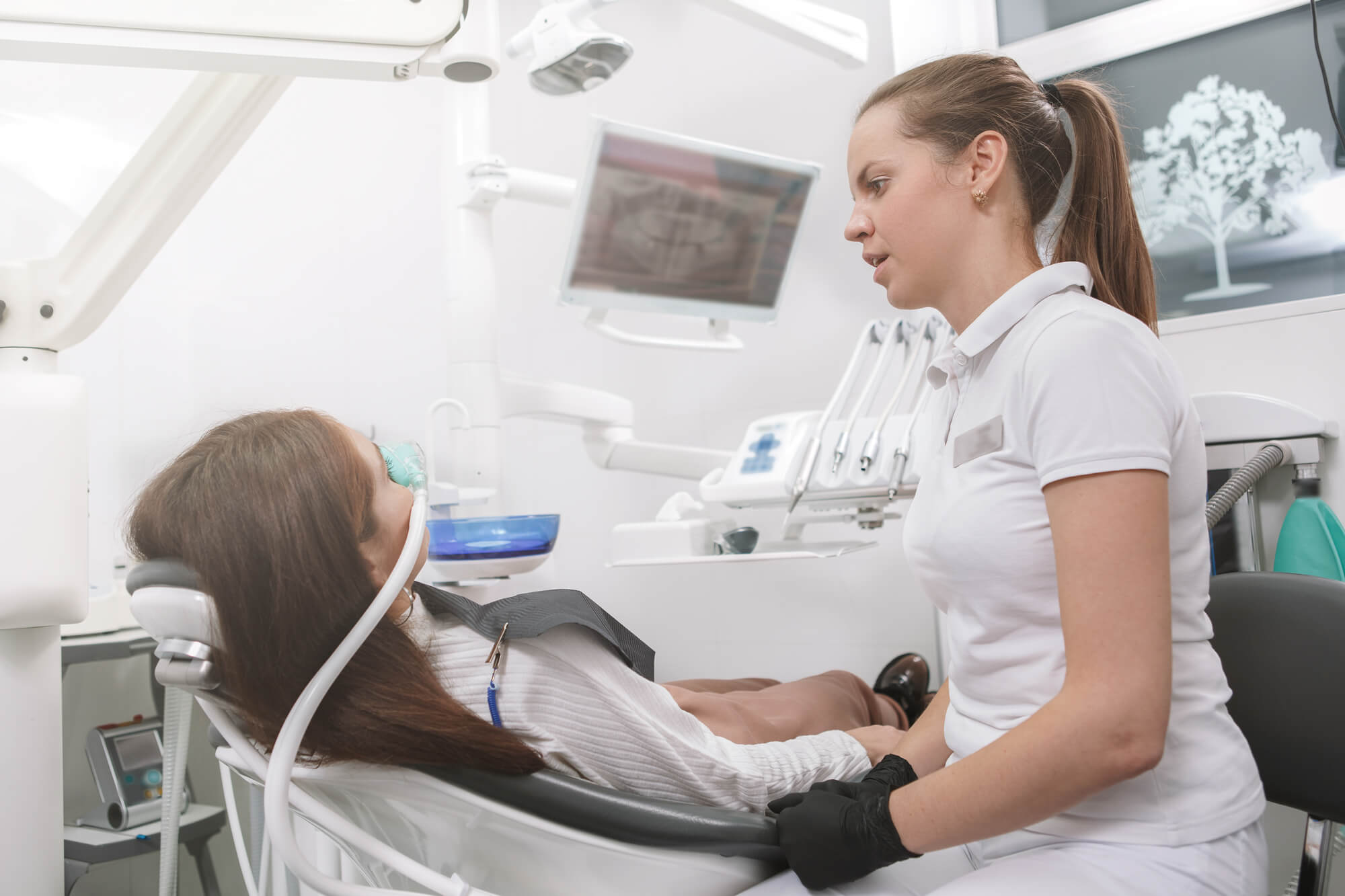
  • Type of Treatment  
First, the kind of dental operation you have will determine the anesthesia you will get. You may do well with nitrous oxide if you have a tooth extracted because the process takes only a short time, and the sedative’s effects subside quite rapidly.    Deep sedation may be required to ensure that you are entirely comfortable throughout the process if you have substantial dental work done.  
  • Level of Comfort  
Depending on your comfort level throughout the treatment, your dentist may suggest a specific type of anesthesia. A more potent sedative may be administered to ensure you are comfortable. Your fears or concerns should be discussed with your dentist before the procedure.    patient receiving Sedation Dentistry in NYC Learn More About Sedation Dentistry in NYC If you want dental treatment completed by a professional who is not only highly skilled but also concerned with your comfort while you’re there, choosing Coliseum Dental is your best bet.  

The Perfect Age for Receiving Anesthesia or Sedation

kid undergoes sedation dentistry Gramercy park

Treatment for young children with infection or oral pain is necessary at any age, which may include sedation or general anesthesia. Some oral treatment requires that your child remain perfectly quiet and steady. This is true especially when there may be a lot of work to be done. 

There are plenty of patients young and old who can benefit from sedation dentistry in Gramercy Park. Let’s find out how. 

patient under treatment and sedation dentistry Gramercy park

Are There Any Risks in Using Sedation or Anesthesia at an Early Age?  

According to the 2019 dental anesthetic guidelines, the American Academy of Pediatric Dentistry (AAPD) and American Academy of Pediatrics (AAP) have updated the current recommendations for oral surgeons and other professional dentists. 

The guidelines provide that there must always be at least two people in the room with advanced life support training available in the event of an emergency. There will be one oral surgeon or dental professional who will be in charge of the procedure, while the other will be a third-party observer.  

Equally important is the presence of a dental anesthetist, second oral surgeon, registered or certified nurse anesthetist, or a physician anesthetist. In this way, the risks, although very little, can be prevented. 

What Are the Different Types of Sedation?  

General Anesthesia  

A general anesthetic means that your child will be entirely unconscious and free of pain during the procedure. While an oral surgeon or separate dentist completes the dental operation or surgery, anesthesia professionals (those mentioned above) will administer the sedative and monitor your kid. Dental offices, ambulatory surgery centers (ASCs), and hospitals can all administer anesthesia.  

To ensure that your child’s treatment goes as smoothly as possible, they can receive intravenous (IV) sedatives. However, despite the fact that your child may still be able to make noises and move, their breathing may sometimes be interrupted.  

Your child’s vital signs must be constantly monitored by an anesthesiologist or another competent expert (independent observer), such as a nurse or paramedic, throughout the surgery as well as when your child wakes up. Also, they are the ones who will be able to tell you when your child is ready to head home. 

Moderate Sedation 

Under this type of sedation, children are drowsier, but they are still able to follow instructions from the oral surgeon or dental professional. Moderate sedation is preferable for older children and adolescents and not for younger or more nervous youngsters. The latter are self-sustaining and quickly awoken.  

In most cases, the operation will be forgotten by children. In the course of performing dental procedures, dentists and oral surgeons can safely administer these drugs. 

Laughing Gas 

Nitrous oxide is the least intrusive and mildest sedative available. “Laughing gas” is a common term for it.  Even if you don’t fall asleep, most people will feel more at ease. Most people will feel goofy and lightheaded. 

Know More About Sedation Dentistry in Gramercy Park 

An adolescent or adult may benefit from sedation.  As long as your child is quiet and alert, the dentist or surgeon can usually get what they need from them. If you have any questions, see us today

Types of Sedation Dentistry You May Want to Know About

Patient gets sedation dentistry NYC

Do you always fear going to the dentist? Even if you do, it’s best that you don’t put off any scheduled appointments, especially when you feel excruciating pain. Any issues you may have can be addressed by a skilled dentist, and your dental anxiety can be addressed by sedation dentistry in Gramercy Park. 

In the dentist’s chair, sedation dentistry can help you relax. You’ll be able to achieve the dental treatment required to get that healthy smile. Dentists can assist you in determining your sedation dentistry alternatives according to what suits your level of anxiety. 

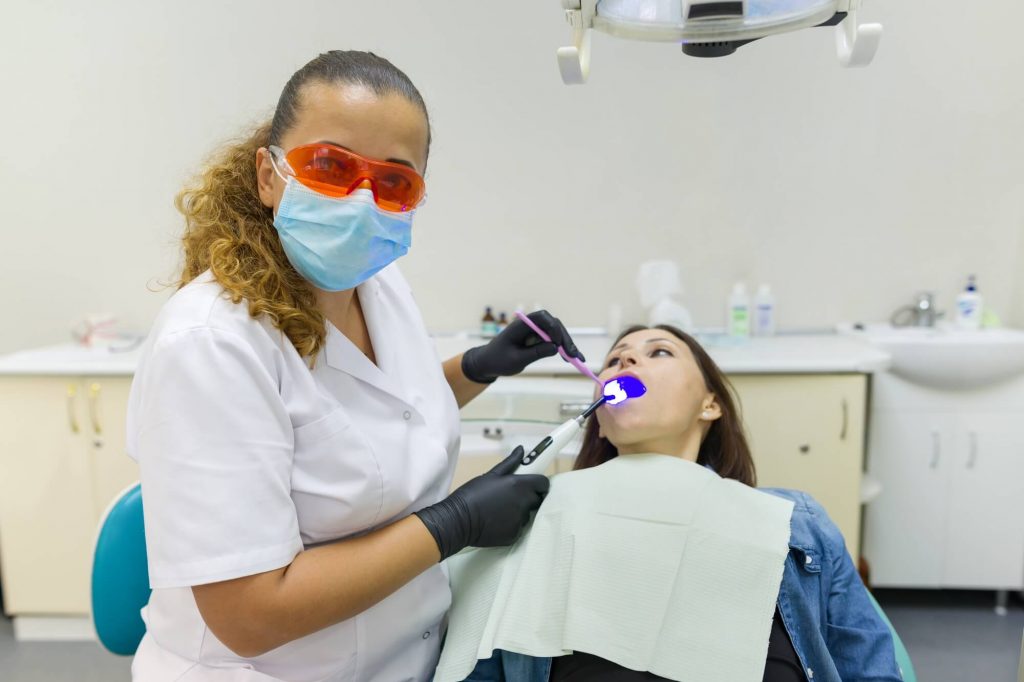
Adult female dentist treating patient in as part of sedation Dentistry NYC

What Are the Types of Sedation Dentistry? 

IV Sedation 

Sedation Dentistry NYC focuses on using anesthesia and other sedatives to alleviate stress and pain. It comprises three types – IV sedation, oral sedation, and laughing gas. Within the field of this dentistry, all three approaches have a role. However, your health history and other considerations will help your dentist decide which type to use. 

For IV sedation dentistry, an intravenous line is inserted into your vein to ensure a constant supply of sedatives. You’ll be sedated for the duration of the process and won’t feel any discomfort or pain. 

While you’re in the dentist’s chair, you’ll feel protected and relaxed, knowing that you’re getting professional dental care without worry and agony. Dentists likewise keep a close eye on your vital signs and use an oxygen mask to make sure you’re breathing appropriately. 

Laughing Gas 

Nitrous oxide, otherwise known as laughing gas, is safe for all ages. Whether you’re a kid or an adult, this type of sedation dentistry will keep you awake during the entirety of the treatment, but you won’t feel a thing. 

Your dentist may recommend laughing gas to help you relax in the chair if you have a dental phobia. You’ll be required to put a mask over your nose and you’ll be advised to take deep breaths.  

The laughing gas only takes a few moments to take effect. However, unlike other forms of sedation dentistry, laughing gas wears off quickly. As a result, you’ll most likely be able to drive yourself home or return to work.  

Oral Sedation 

For this type of sedation, your dentist will write you an oral sedative prescription. Once you’ve taken the pill, you’ll need someone to drive you to and from the dental clinic since it will make you drowsy. However, if something is required of you while the treatment is ongoing, you’ll still be able to respond. For example, if your dentist asks you to angle your head during the treatment so they can better access a tooth, you’ll be able to do so. 

Aside from providing you with exceptional treatments, your dentist’s main priority is your safety. This is why detailed instructions are provided so you know exactly what to do and what to expect. With oral sedation, you will have to fast for several hours prior to your visit. Hence, it is advisable that you make an appointment in the morning. 

When it comes to kids receiving oral sedation, they will have to stay home after the appointment. Supervision is required until the sedative wears off. 

kid gets sedation dentistry NYC

Want to Learn More About Sedation Dentistry in NYC? 

At Coliseum Dental, we want to ensure that every patient feels comfortable, relaxed, and safe throughout the treatment process. If you have any questions about Sedation Dentistry NYC, feel free to reach out to us