

If visiting the dentist makes you anxious, consider sedation dentistry in Murray Hill. You can overcome any dental phobia with dental sedation, finally allowing you to unwind throughout your surgery. Here’s what you’ll experience when you opt for sedation dentistry.

Types of Sedation Dentistry and How It Feels
What Does Sedation Feel Like?
The purpose of dental sedation is to relax you. Therefore, patients who undergo sedation frequently report feeling at ease and slightly sleepy. The dental procedure’s tension and stress go.
Naturally, the degree of this sensation varies considerably depending on the type of sedation, the required level, and even the patient’s tolerance. Depending on the kind of sedative used during their surgery, patients express various emotions experienced during “sleep dentistry.” Please read on to understand what to anticipate from each type of dental sedation.
Types of Sedation
- IV Sedation
IV sedation produces a deeper level of sedation than oral or gas sedation. Patients may struggle to stay awake because they often enter an intense level of relaxation. However, there are also instances when you’re still awake after administering this sedative. In essence, IV sedation produces similar, intensified, safe emotions to those who experience oral sedation.
- Oral Sedation
You can anticipate a greater sense of relief and relaxation with oral sedation. You’ll probably feel sleepy, and you might have trouble speaking. Reflexes and coordination are also slowed down by this type of sedation. Some patients report feeling weighed down. A hazy memory or memory loss following the operation is also frequent. Additionally, patients claim that oral sedation causes time to pass more quickly.
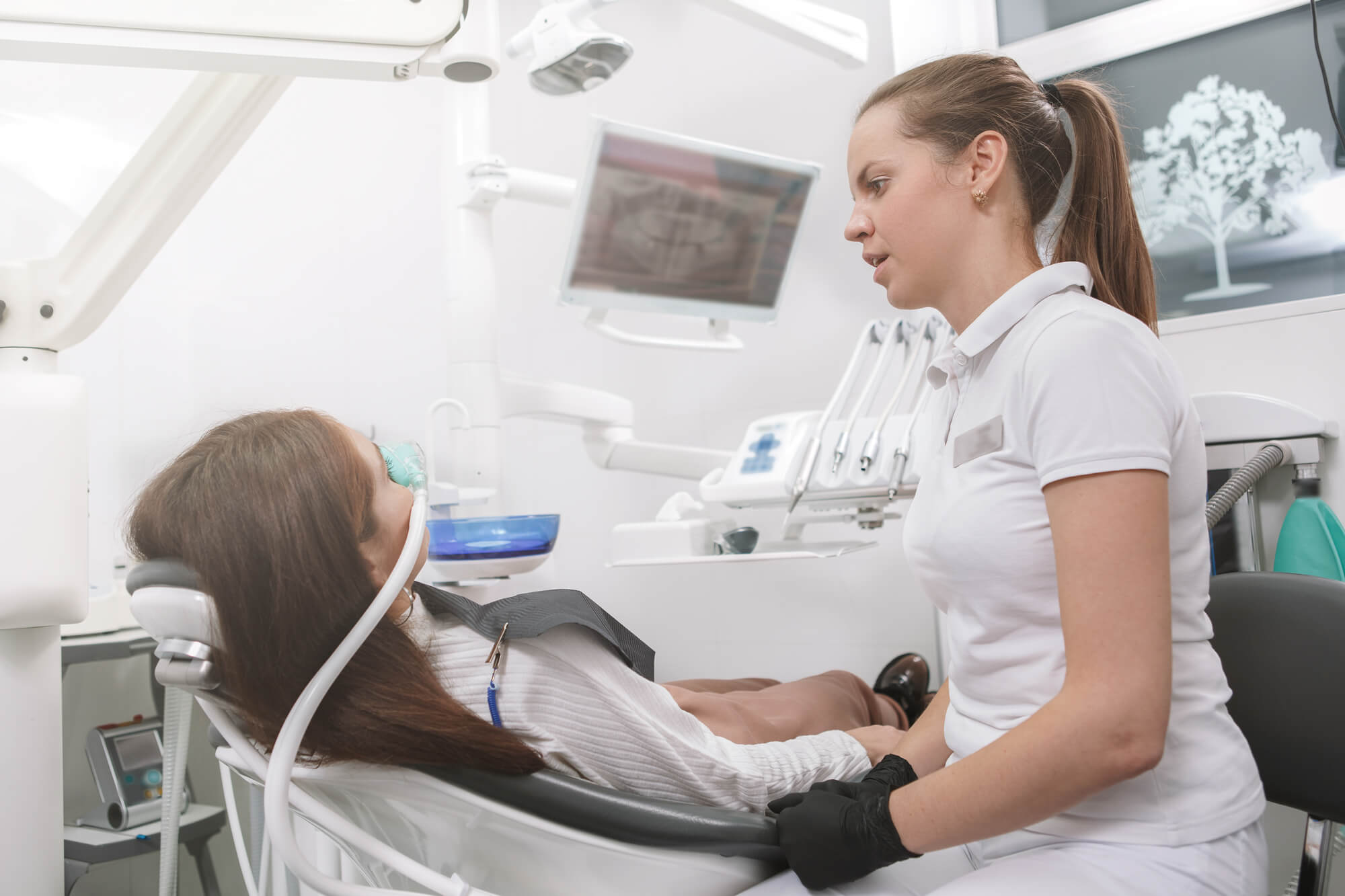
- Laughing Gas or Nitrous Oxide
You might detect the scent of grapes or other fruits if the gas has a smell. Your arms and legs may feel a little tingling, relaxed, and light. Some patients can get giddy and have a “euphoric mood.” It also lessens your pain sensitivity and slows down your reaction speed.
Prevention of Pain and Sedation
Many people question if you can still feel discomfort when receiving oral or IV sedation. Contrary to anesthesia, which renders you unconscious and painless, the primary goal of conscious sedation is to make you feel relaxed. Even though nitrous oxide has some benefits for pain management, your dentist will still use a local anesthetic to ensure you don’t feel anything during the treatment.
If you’re concerned about how painful IV sedation is, you can relax. The IV placement is the only unfortunate part. Additionally, if you’re terrified of needles or have a high pain threshold, talk to your dentist about ways to make IV sedation comfortable.
How Soon Do Dental Sedatives Start Working?
Your body metabolizes different sedatives at varying rates. The effects of oral sedatives take between 30 and 60 minutes to become apparent. In 3 minutes, nitrous oxide starts to work. Within a few minutes, IV sedation begins to take effect as well.
Consult your dentist about sedation dentistry if any of these apply to you. Using sedation dentistry, your dentist can make it simpler for you to obtain necessary procedures like fillings, extractions, root canal therapy, dental implants, crowns, bridges, and more.
If you are only getting a routine dental cleaning, dental x-ray, or tooth whitening operation, you probably won’t need dental sedation.

Are You Looking for Safe Sedation Dentistry in Murray Hill?
At Coliseum Dental, we ensure that our treatments are safe and effective. For more details, contact us today!

 Sedation Types and Their Effects
Inhaled Minimal Sedation
Sedation Types and Their Effects
Inhaled Minimal Sedation
 Learn More About Sedation Dentistry in NYC