
Bite by Bite: How Tooth Loss Impacts Your Daily Life and What You Can Do 

patient smiling after Restorative dentistry midtown Manhattan

Did you know that the absence of even a single tooth can disrupt the balance and functionality of our entire oral cavity? It can lead to issues like difficulty in pronouncing certain words, reduced chewing efficiency, and even self-esteem challenges. This is where restorative dentistry in Midtown Manhattan steps in, offering a range of solutions that go beyond aesthetics to restore your smile, oral health, and quality of life. 
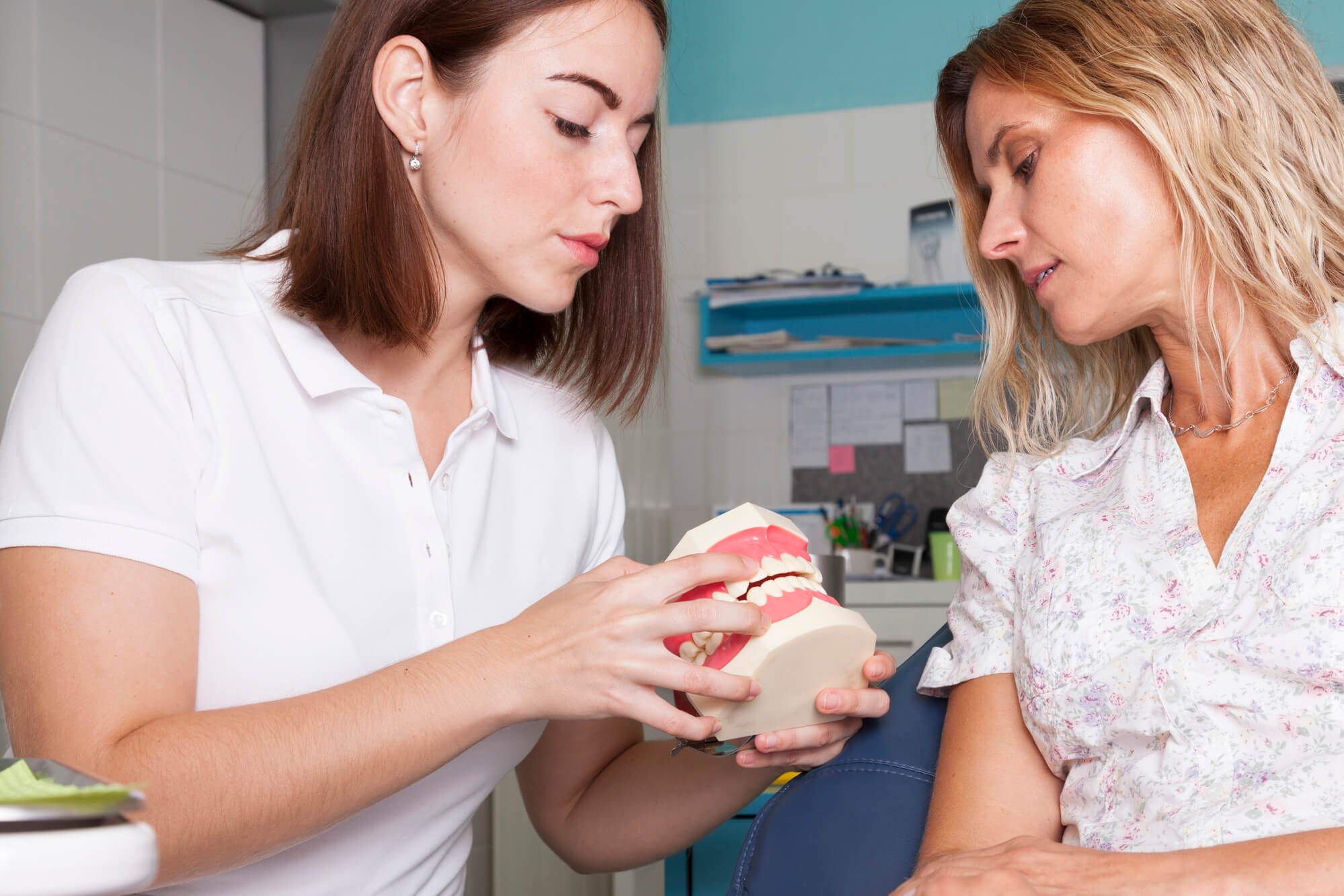
dentist explaining Restorative dentistry midtown Manhattan to patient

Restorative Dentistry: Your Lifeline to a Better Smile  

Missing teeth can be more than just a cosmetic concern; they can profoundly impact your daily life. Here’s a closer look at five ways tooth loss can affect you:  

Impaired Chewing and Digestion   

When you’re missing teeth, something as simple as enjoying your favorite meal can become challenging. Incomplete chewing may lead to digestive issues over time, affecting overall health. 

Speech Difficulties   

Your teeth play a crucial role in forming words and sounds when you speak. Tooth loss can lead to speech difficulties, affecting your communication with others. 

Self-Esteem and Confidence   

A gap in your smile can take a toll on your self-esteem. You might be hesitant to smile or speak in public, impacting your confidence in social situations. 

Shifting of Adjacent Teeth   

When a tooth is lost, adjacent teeth can gradually shift into the space. This can lead to misalignment, further complicating your oral health. 

Bone Loss   

Tooth loss can result in bone loss in the jaw, which can change your facial structure over time and lead to more dental problems down the road. 

Restorative Dentistry: The Solution You’ve Been Looking For  

The good news is that there are effective solutions to address tooth loss and its associated challenges. Restorative dentistry is the key to regaining your smile and improving your daily life. 

Dental Implants  

Dental implants are a permanent and natural-looking solution to replace missing teeth. They restore your ability to chew, speak, and smile with confidence. 

Dentures and Partial Dentures  

Modern and partial dentures are more comfortable and functional than ever, offering a removable option for those with multiple missing teeth. 

Dental Bridges  

Dental bridges are an excellent choice to fill gaps left by missing teeth. They are anchored to adjacent teeth, providing stability and natural aesthetics. 

Restorative Procedures  

Various restorative dental procedures, such as crowns and veneers, can repair and strengthen damaged or decayed teeth, preventing further tooth loss. 

Regular Check-ups and Maintenance  

Regular visits to your dentist are essential for preventing tooth loss and maintaining good oral health. Your dentist can detect and address issues early on, helping you avoid tooth loss altogether. 

on going Restorative dentistry midtown Manhattan procedure 

Interested in Restorative Dentistry in Midtown Manhattan?

Don’t let tooth loss hold you back from enjoying life to the fullest. Whether you’ve recently lost a tooth or have been dealing with missing teeth for a while, restorative dentistry offers solutions tailored to your unique needs. Regain your ability to enjoy meals, speak confidently, and smile without hesitation. 

If you’re ready to take action and explore your restorative dentistry options, we invite you to schedule an appointment with us at Coliseum Dental. Our experienced team is here to help you regain your smile, one step at a time. Contact us today, and let’s embark on your journey toward a healthier, happier you! Your smile is our priority. 

Effects of Each Type of Sedation

Sedation Dentistry in NYC form
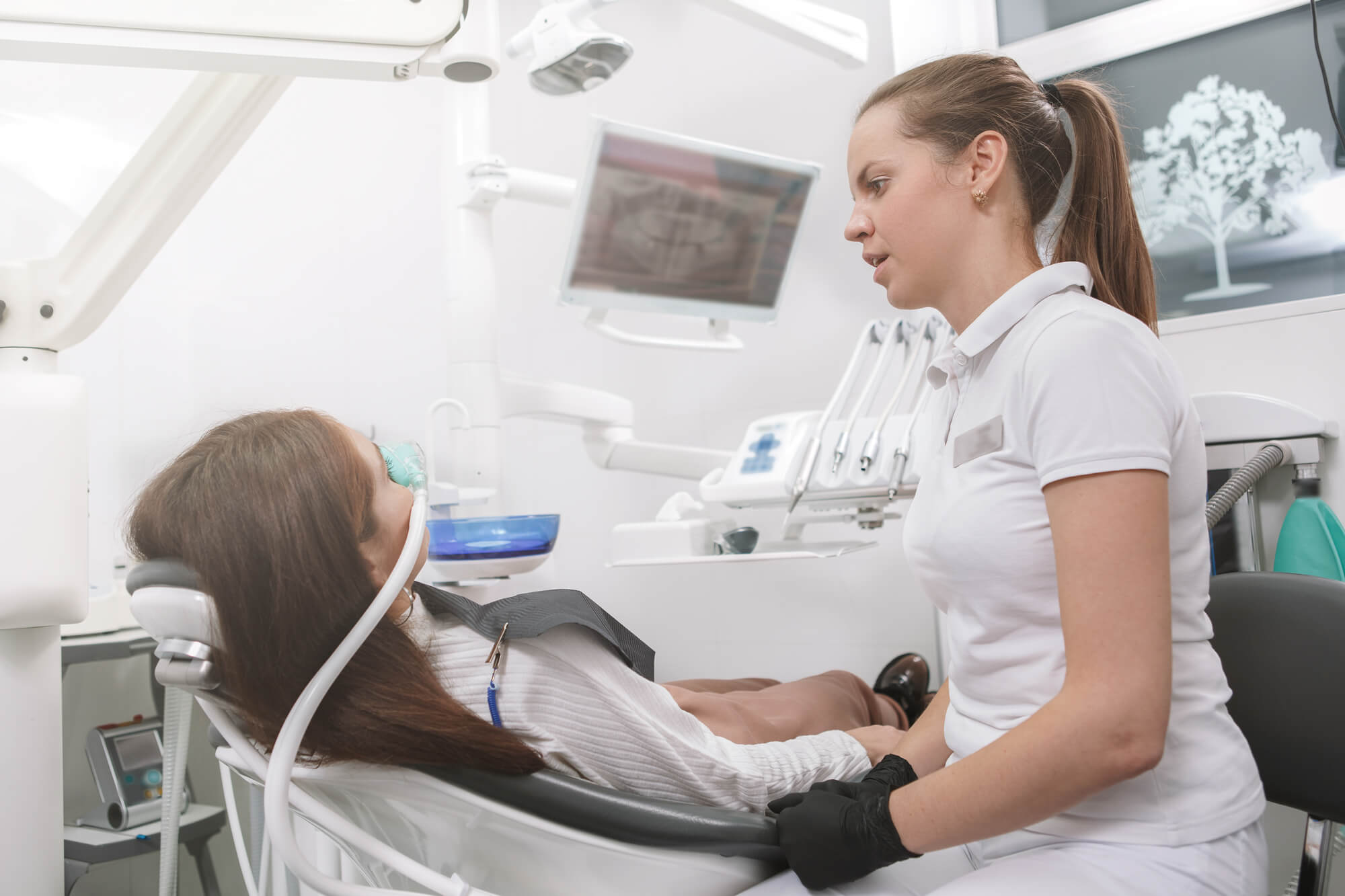
A high percentage of individuals are frightened of seeing the dentist and find it nauseating to consider having dental work done. Fortunately, sedation dentistry in NYC allows dentists to offer their patients quality treatment while feeling relaxed and at ease in the dental chair.  inhalation Sedation Dentistry in NYC Sedation Types and Their Effects
Inhaled Minimal Sedation For this type of sedation, nitrous oxide (often known as “laughing gas“) is inhaled through a mask. While the dentist performs the operation, nitrous oxide helps the patient calm down. The advantage of nitrous oxide is that it wears off relatively fast, allowing patients to leave the dental office unassisted and on their own.  Oral Sedation The simplest form of sedation is oral. Your dentist will suggest that you take an oral sedative so you can relax. All you have to do is take a tablet about an hour before your appointment, and you’ll feel calm when you get there.   Depending on the amount, oral sedation can either make you sleepy or make you drowsy. It results in drowsiness that lasts longer and is stronger than nitrous oxide.    Halcion is a regular oral sedative (triazolam), and this can be straightforward to use. Aside from the fact that it’s taken orally, this type of sedation involves no needles. Many people who fear going to the dentist also fear using needles, which are necessary to deliver IV sedation. Instead of worrying about being poked by the dentist, the patient can take the sedative orally before the appointment.   IV Moderate Sedation IV moderate sedation is administered intravenously (IV) into the patient’s veins. The drug can start working more quickly with this administration strategy. Because dentists can control the dose of sedation throughout the process, it’s a good sedative for lengthy procedures.    Long-lasting drowsiness, dizziness, headaches, visual abnormalities, forgetfulness, and nausea may be side effects of anesthetic or sedative medicines. Although uncommon, nausea and vomiting are possible adverse effects. For relief, bed rest and prescribed medications may be necessary.   General Anesthesia Patients who receive deep sedation or general anesthesia are practically asleep the entire time. Deep sedation results in unconsciousness, in contrast to oral sedation or mild IV sedation, which induces patients to be drowsy but keeps them awake.    Deep sedation has the longest-lasting effects, and patients must wait for the effects to wear off before they can go home.   Which Is the Best for You? The right sedative for you will depend on a few things, such as:  
  • Type of Treatment  
First, the kind of dental operation you have will determine the anesthesia you will get. You may do well with nitrous oxide if you have a tooth extracted because the process takes only a short time, and the sedative’s effects subside quite rapidly.    Deep sedation may be required to ensure that you are entirely comfortable throughout the process if you have substantial dental work done.  
  • Level of Comfort  
Depending on your comfort level throughout the treatment, your dentist may suggest a specific type of anesthesia. A more potent sedative may be administered to ensure you are comfortable. Your fears or concerns should be discussed with your dentist before the procedure.    patient receiving Sedation Dentistry in NYC Learn More About Sedation Dentistry in NYC If you want dental treatment completed by a professional who is not only highly skilled but also concerned with your comfort while you’re there, choosing Coliseum Dental is your best bet.