Bite by Bite: How Tooth Loss Impacts Your Daily Life and What You Can Do 

patient smiling after Restorative dentistry midtown Manhattan

Did you know that the absence of even a single tooth can disrupt the balance and functionality of our entire oral cavity? It can lead to issues like difficulty in pronouncing certain words, reduced chewing efficiency, and even self-esteem challenges. This is where restorative dentistry in Midtown Manhattan steps in, offering a range of solutions that go beyond aesthetics to restore your smile, oral health, and quality of life. 
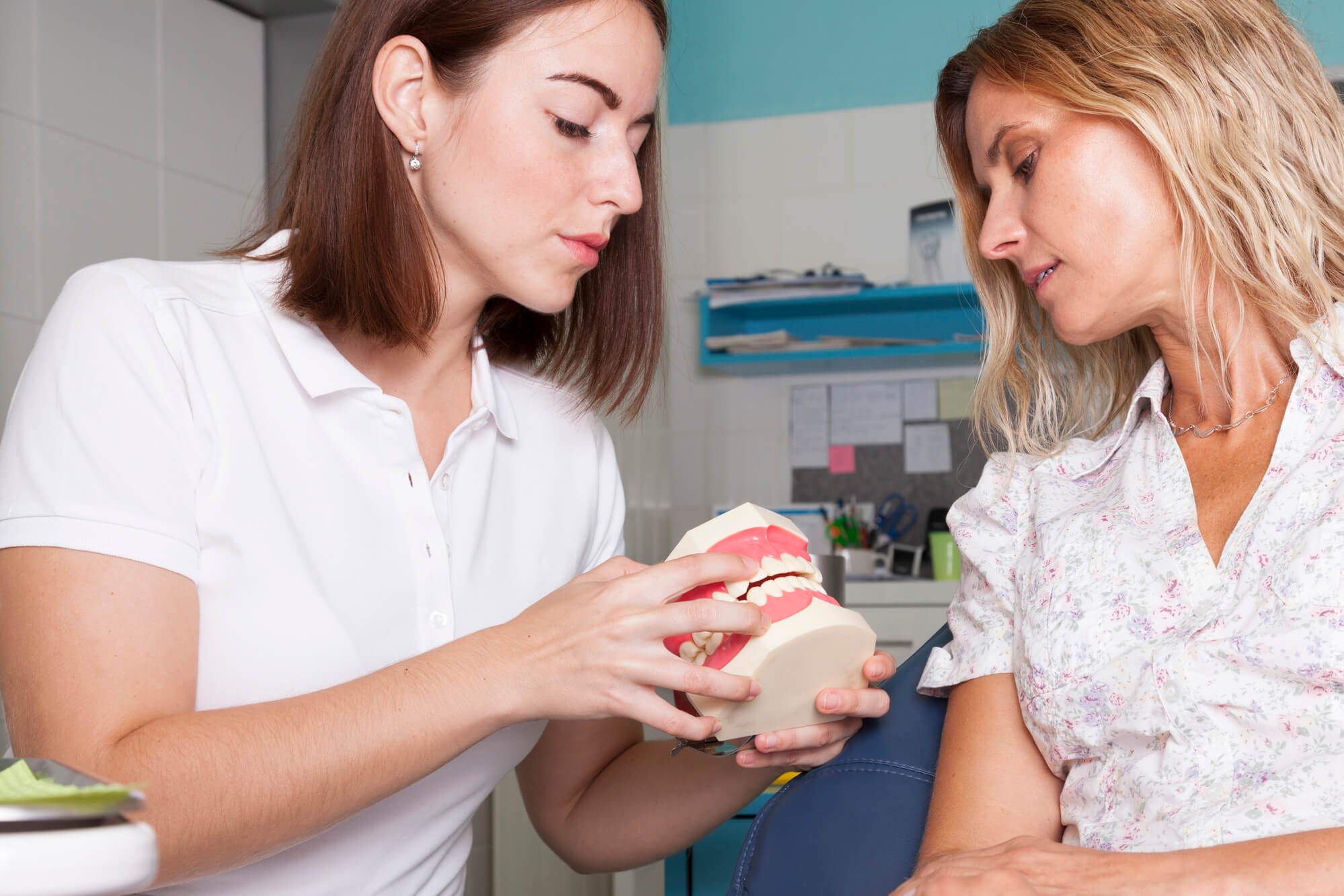
dentist explaining Restorative dentistry midtown Manhattan to patient

Restorative Dentistry: Your Lifeline to a Better Smile  

Missing teeth can be more than just a cosmetic concern; they can profoundly impact your daily life. Here’s a closer look at five ways tooth loss can affect you:  

Impaired Chewing and Digestion   

When you’re missing teeth, something as simple as enjoying your favorite meal can become challenging. Incomplete chewing may lead to digestive issues over time, affecting overall health. 

Speech Difficulties   

Your teeth play a crucial role in forming words and sounds when you speak. Tooth loss can lead to speech difficulties, affecting your communication with others. 

Self-Esteem and Confidence   

A gap in your smile can take a toll on your self-esteem. You might be hesitant to smile or speak in public, impacting your confidence in social situations. 

Shifting of Adjacent Teeth   

When a tooth is lost, adjacent teeth can gradually shift into the space. This can lead to misalignment, further complicating your oral health. 

Bone Loss   

Tooth loss can result in bone loss in the jaw, which can change your facial structure over time and lead to more dental problems down the road. 

Restorative Dentistry: The Solution You’ve Been Looking For  

The good news is that there are effective solutions to address tooth loss and its associated challenges. Restorative dentistry is the key to regaining your smile and improving your daily life. 

Dental Implants  

Dental implants are a permanent and natural-looking solution to replace missing teeth. They restore your ability to chew, speak, and smile with confidence. 

Dentures and Partial Dentures  

Modern and partial dentures are more comfortable and functional than ever, offering a removable option for those with multiple missing teeth. 

Dental Bridges  

Dental bridges are an excellent choice to fill gaps left by missing teeth. They are anchored to adjacent teeth, providing stability and natural aesthetics. 

Restorative Procedures  

Various restorative dental procedures, such as crowns and veneers, can repair and strengthen damaged or decayed teeth, preventing further tooth loss. 

Regular Check-ups and Maintenance  

Regular visits to your dentist are essential for preventing tooth loss and maintaining good oral health. Your dentist can detect and address issues early on, helping you avoid tooth loss altogether. 

on going Restorative dentistry midtown Manhattan procedure 

Interested in Restorative Dentistry in Midtown Manhattan?

Don’t let tooth loss hold you back from enjoying life to the fullest. Whether you’ve recently lost a tooth or have been dealing with missing teeth for a while, restorative dentistry offers solutions tailored to your unique needs. Regain your ability to enjoy meals, speak confidently, and smile without hesitation. 

If you’re ready to take action and explore your restorative dentistry options, we invite you to schedule an appointment with us at Coliseum Dental. Our experienced team is here to help you regain your smile, one step at a time. Contact us today, and let’s embark on your journey toward a healthier, happier you! Your smile is our priority. 

The Worst Foods for Your Teeth: A Guide to Keeping Your Smile Healthy

We all know that certain foods are bad for our waistlines, but did you know that some foods are bad for your teeth too? In this article, we’ll explore some of the worst foods for your teeth and give tips on keeping your pearly whites healthy based on the experience and expertise of a dentist in Kips Bay.

Unhealthy Foods and Drinks for Your Teeth

Sticky Candies and Gum

Sticky candies and gum are some of the worst foods for your teeth because they can get stuck in the crevices and grooves of your teeth, making it difficult for your saliva to wash them away. This allows the sugars in these foods to stay in contact with your teeth for longer, which can lead to the growth of harmful bacteria and plaque buildup.

In addition to the damage caused by the sugar content, sticky candies, and gum can also cause physical damage to your teeth. When you chew gum or eat sticky candy, the constant pressure on your teeth can wear down your enamel over time, making your teeth more susceptible to cavities and decay.

If you love candy and gum, don’t worry – you don’t have to give them up altogether. Instead, choose options that don’t stick to your teeth as easily, like chocolate. And when you do indulge in sticky candies or gum, brush your teeth or rinse your mouth with water afterward to help remove any leftover residue.

Acidic Foods and Drinks

These types of foods and drinks, like soda and citrus fruits, can erode your tooth enamel over time. This can lead to sensitivity, discoloration, and even tooth decay. To minimize the damage, drink water with your acidic drinks and rinse your mouth afterward.

Hard Candies and Ice

Chewing on hard candies and ice can chip or break your teeth. These foods are particularly dangerous for people with fillings, as they can dislodge them or cause them to crack. If you need something to chew on, try sugarless gum instead.

Starchy Foods

Starchy foods like potato chips, crackers, and bread can harm your teeth because they are high in carbohydrates. When you eat starchy foods, they break down into simple sugars, which can contribute to the growth of harmful bacteria in your mouth. These bacteria can produce acids that erode your tooth enamel and lead to tooth decay.

In addition, starchy foods can get stuck in the crevices and gaps between your teeth, promoting plaque growth and making it difficult to remove with just brushing. This can lead to the development of cavities and gum disease over time.

If you can’t resist starchy foods, you can do a few things to prevent the damage. Firstly, limit your intake of starchy snacks and focus on eating more fresh fruits and vegetables. Secondly, rinse your mouth with water after eating starchy foods to help remove any leftover particles. Finally, be sure to brush and floss your teeth regularly to help remove any plaque buildup that may have occurred.

Following these tips can help keep your teeth healthy even if you can’t resist the occasional potato chip or slice of bread.

Sugary Drinks

Sugary drinks, like fruit juice and soda, are packed with sugar that can damage your teeth. In addition, they can stain your teeth and contribute to discoloration. If you need a sweet beverage, try tea or water with lemon instead.

Tips for Keeping Your Teeth Healthy

Now that you know which foods not to eat, here are some tips for keeping your teeth healthy:

  • Brush and floss regularly to remove plaque buildup.
  • Use mouthwash to freshen your breath and kill the remaining bacteria.
  • Drink water throughout the day to rinse your mouth out and stay hydrated.
  • Visit your dentist regularly for checkups and dental cleanings.
  • Opt for healthy snacks, like fresh vegetables and fruits, instead of sugary or starchy options.

Ask Our Dentist in Kips Bay

By following these tips and avoiding the worst foods for your teeth, you can keep your smile healthy and bright for years. Come see us today!

Why is Gum Bleaching Trending?

patient checks the result of gum bleaching in NYC

When it comes to oral care, most of us think about teeth whitening, but have you ever considered gum bleaching? That’s right! Gum bleaching in NYC is the latest trend in oral care that can help enhance your smile and confidence. This article will examine gum bleaching and what makes it a fun and exciting oral care treatment.

woman smiles after gum bleaching in NYC

Gum Bleaching: What Is It, Who Are Good Candidates, and What Is the Procedure

What is Gum Bleaching?

Gum bleaching is a cosmetic dental procedure that lightens the color of your gums. It is done by removing the outer layer of your gums, which contains the melanin pigment that gives your gums their natural color. This process helps reveal lighter and brighter gums, making your smile look more attractive and youthful.

Why is Gum Bleaching Trending?

Gum bleaching has been gaining popularity lately, and there are many reasons for it. Firstly, it is a quick and painless procedure that can be completed in a single office visit. Secondly, it is a great way to enhance your smile without undergoing invasive dental treatments. Thirdly, it is an affordable cosmetic dental procedure that can fit into any budget. Lastly, it is a unique and fun way to experiment with your smile and try something new.

Who Is a Good Candidate for Gum Bleaching?

Gum bleaching is suitable for anyone unhappy with the color of their gums. However, it is important to note that not everyone is a good candidate for this procedure. People with gum disease, gum recession, or other dental problems may not be eligible for gum bleaching. It is always important to consult with a qualified dental professional to determine if gum bleaching is right for you.

The Gum Bleaching Procedure

  • Step 1: Evaluation and Preparation

Before the gum bleaching procedure, your dentist will evaluate your gums to determine the extent of discoloration and the amount of melanin pigment present. They will also check for any signs of gum disease or other dental issues that may affect the procedure’s outcome.

  • Step 2: Application of Bleaching Agent

Once your gums are clean and numb, your dentist will use a bleaching agent on your gums using a special applicator. The bleaching agent contains a high concentration of hydrogen peroxide or carbamide peroxide, which helps to break down the melanin pigment in your gums.

  • Step 3: Rinsing and Application of Protective Gel

After the bleaching agent has been left on for the required time, your dentist will rinse your gums thoroughly with water to remove any remaining bleaching agent. They will also apply a protective gel to your gums to promote healing and prevent infection.

  • Step 4: Follow-Up Care

After the gum bleaching procedure, your dentist will provide instructions on how to care for your gums. This may include avoiding certain foods and drinks, such as coffee, tea, and red wine, which can stain your newly bleached gums.

What to Expect After Gum Bleaching?

After gum bleaching, you may experience some discomfort and sensitivity in your gums for a few days. However, this is normal, and your dentist will provide instructions on managing it. It is also essential to avoid smoking, drinking alcohol, and consuming colored foods and drinks for at least 24 hours after the procedure. This will help prevent staining and discoloration of your newly bleached gums.

woman about to undergo gum bleaching in NYC

Find Out More About Gum Bleaching in NYC

Gum bleaching is a fun and exciting way to enhance your smile and confidence. It is a quick, painless, affordable cosmetic dental procedure that fits any budget. If you are considering gum bleaching, consult an experienced and skilled dental professional to determine if you are a good candidate. With gum bleaching, you can say goodbye to dark and discolored gums and hello to a brighter and more youthful smile!

The Ugly Truth About Tooth Decay

Dentist Murray hill Holding a Dental Tool

Every dentist in Murray Hill knows that tooth decay has been linked to various long-term health difficulties in recent years, although it was once thought to be a minor nuisance.  What makes some people more prone to tooth decay than others, and what are the reasons behind this? The chewing surfaces or proximal contacts of teeth are where most tooth decay begins. Tooth decay remains a crucial but frequently disregarded element of one’s general health, as it is an essential factor affecting dental health issues that you can confront. In addition, bone loss or insufficiency may likewise contribute to the development of tooth decay. Birth or a low calcium intake in the food, contrary to popular belief, is not the cause of osteopenia – a condition that begins when you have weak bones or insufficient bone mass.   

dentist-holding-tooth-model

Basics of Tooth Decay  


How It Happens  


The buildup of acidic substances in the mouth results in tooth decay, and it causes the outer layers of the teeth to erode and dissolve over time. This is made possible when a tooth loses its protective outer coating, causing it to wither and begin to disintegrate, thereby starting the tooth decay process. When it comes to this dental problem, it is a progressive disease that doesn’t show up right away but instead takes time to develop and deteriorate over time as it advances. Although the concept of decayed or broken teeth may seem unpleasant, the detrimental and infectious concerns that can lead to the decay of your teeth are what truly make this a critical situation. The effects can be significant or even life-threatening once left untreated for prolonged periods if left untreated.   


Signs and Symptoms


Dentists are quick to identify the first signs of tooth decay. Ignoring such problems can be an expensive mistake because it permits the disease to grow and become more difficult to cure. As a result, while not all of the symptoms described below are clear markers of tooth decay, you should see your dentist for a thorough examination if you see any of them.   

  • Tooth sensitivity that isn’t explained or that occurs on its own   
  • Persistent bad breath 
  • Pain ranging from moderate to severe when eating or drinking hot or cold foods   
  • Teeth and surrounding gumline are discolored   

After tooth decay has progressed to a more severe stage, bacteria will begin to spread throughout the body when they reach the body’s blood vessels. The bacteria will cause clots to form and the heart to become damaged, affecting the heart’s blood vessels.  


Prevention Is the Key   


To be safe, keep in mind that severe tooth decay, like a long hike, takes a long time to reach this position and is difficult to stop or slow down once it has started, so prevention is the key. Cleaning your teeth daily, especially the occlusal surfaces and proximal contacts, prevents plaque from building on these surfaces, which are the most vulnerable. If you don’t use fluoride toothpaste, brushing your teeth isn’t as effective. By preventing dental decay or stopping it while it is still in its early stages, you have the best chance of avoiding it.   

patient-smiling-to-dentist-after-consultation

Looking for the Best Dentist in Murray Hill to Take Care of Your Teeth?   

For those who believe they’re suffering from tooth decay, or you are in doubt about your oral health, our dental experts are ready to assist you. Give us a call if you have any questions!