2024 Guide to Oral Hygiene: Tips for a Healthy Smile 

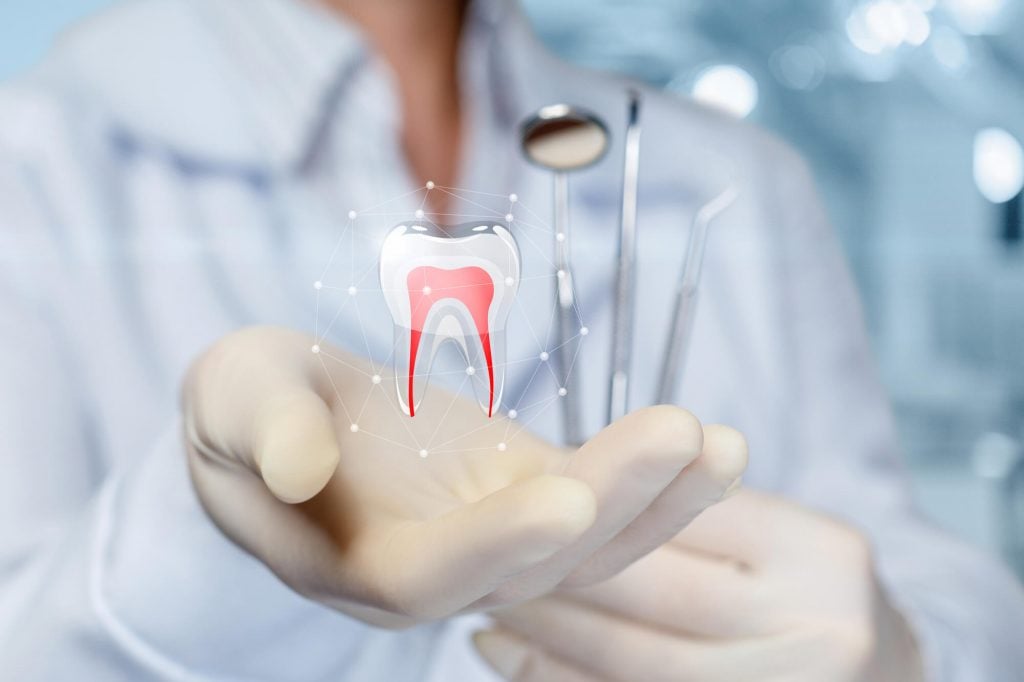
A bright and healthy smile is something we all aspire to have. To maintain that gorgeous grin, it’s crucial to prioritize oral hygiene. In this comprehensive guide, we’ll provide you with up-to-date advice and valuable insights to assist you in achieving and preserving a healthy smile throughout 2024.  

Regular visits to your dentist in Kips Bay are essential for expert guidance, but there’s plenty you can do on your own to keep your pearly whites in top shape. 

The Importance of Regular Dental Visits 

Heading to the dentist might not always be at the top of your to-do list, but it’s an essential part of maintaining your oral health. Here’s why those bi-annual check-ups should never be skipped: 

  • Professional Cleanings 

Dentists and dental hygienists employ specialized instruments to effectively eliminate plaque and tartar buildup, tasks beyond the capabilities of your toothbrush. These professional cleanings play a vital role in cavity and gum disease prevention. 

  • Early Detection 

Regular dental visits can catch dental issues early. From small cavities to gum disease, early detection means easier and less expensive treatment. 

  • Expert Advice 

Your dental professional can offer customized guidance ranging from proper brushing and flossing techniques to dietary choices that influence your oral well-being. 

  • X-Rays for Hidden Problems 

X-rays can reveal issues that aren’t visible to the naked eye, such as impacted teeth or bone loss. Early detection of these problems can prevent more serious complications. 


Daily Oral Hygiene Practices 

While visiting your dentist is crucial, daily oral hygiene is equally important. Here are some daily practices to incorporate into your routine: 

  • Brush Twice a Day 

Brushing your teeth in the morning and before bed helps remove plaque and food particles that can lead to cavities and bad breath. For optimal outcomes, select toothpaste containing fluoride and use a toothbrush with soft bristles.

  • Floss Daily 

Flossing is essential for removing debris and bacteria between your teeth and the gumline. It’s a step many people skip, but it’s as important as brushing. 

  • Use Mouthwash 

Rinsing with an antimicrobial mouthwash can help kill bacteria and freshen your breath. Make sure to choose a mouthwash that carries the American Dental Association (ADA) seal of approval. 

  • Maintain a Balanced Diet 

Limit sugary snacks and beverages, as they can lead to tooth decay. Instead, focus on a balanced diet of fruits, vegetables, and lean proteins. 

  • Stay Hydrated 

Drinking plenty of water helps flush away food particles and bacteria and keeps your mouth moist, reducing the risk of cavities. 


Preventive Measures at Home 

Beyond the basics, there are additional preventive measures you can take at home to maintain optimal oral health: 

  • Invest in a Quality Toothbrush 

Consider an electric toothbrush with a rotating head for more effective cleaning.  

  • Chew Sugar-Free Gum 

Chewing sugar-free gum after meals can stimulate saliva production, helping to neutralize acids and prevent cavities. 

  • Replace Your Toothbrush Regularly 

Change your toothbrush or toothbrush head every three to four months or sooner if the bristles are frayed. 

Need to Visit a Dentist in Kips Bay? 

A healthy smile in 2024 is within reach by following these tips for maintaining excellent oral hygiene. Remember to schedule regular check-ups with your dentist, and if you’re in the market for expert dental care, don’t hesitate to reach out to Coliseum Dental East for personalized and professional assistance. Dedication to your oral health allows you to enjoy a beautiful and confident smile for years to come! 


Types of Restorative Dentistry

Dentist and patient during procedure restorative dentistry Murray Hill

Dental restoration encompasses all aspects of restorative dentistry in Murray Hill. It includes maintaining dental structures, restoring broken or damaged teeth, and replacing missing or damaged teeth. The treatments will consist of minor fixes like fillings or sealing cavities to bridges and crowns, complete tooth replacement with implants, and everything in between. 

The full use of the mouth and teeth is restored to the patient by this type of dentistry, freeing individuals who need routine dental care or those who have experienced illness or accident. 

A lot of restorative dentistry procedures are available according to the patient’s need, the extent of the damage to the dental structures, the patient’s commitment, and the cost. Based on the patient’s requirements and existing situation, your dentist will suggest a course of treatment. 

patient during Restorative dentistry Murray Hill

Restorative Dentistry Treatments You Can Try

Dentures

Dentures are a suitable choice if you don’t have enough healthy teeth in your mouth to function normally. They usually include an entire arch of teeth. Suction or adhesives can be used to secure removable dentures to the gums. Moreover, implant-supported dentures are connected in the mouth by a few dental implants. 

Bridges

A damaged or weakened tooth can be restored with a filling or a crown, but a lost tooth requires a separate restorative procedure. The patient’s fitting or the installation of a fixed bridge is a procedure you’ll have to take to address this dental issue. 

Any patient, regardless of age, could lose a tooth. The standard fixed bridge is frequently the best therapeutic method if this loss happens. A permanent bridge fills the space left by one or more missing teeth. Similar to an actual bridge structure, it is supported at both ends by sturdy foundations. In the case of a dental bridge, your two healthy teeth will serve as the bridge’s pillars.  

The permanent, artificial teeth are inserted into the mouth to fill the space left by the missing tooth or teeth. Usually composed of ceramic resin, these prosthetic teeth are color-matched to the natural teeth on each side of them. 

Dental Implants 

A dental implant can replace a missing tooth or those that need to be pulled because of severe decay or destruction. 

Titanium, a biocompatible metal that forms a strong link with the jawbone, is used to make the implant root. A crown is affixed to the top of the root after it has been surgically implanted in the jaw.  

Since the entire implant has a natural appearance and feel, it is regarded as the most acceptable alternative for replacing a missing tooth. Additionally, dental implants can serve as anchors for dentures and bridges. 

Dental Filling

By far, this is the most frequent restorative dental procedure. Cavities are caused by bacteria penetrating a tooth enamel, the hard outer layer of your tooth. It must be filled to save the delicate pulp inside.  

Your dentist will remove the decayed area of the tooth during a dental filling operation and then replace the hole with composite material that matches the shade of your tooth. Using this filling, your tooth can’t be infected by bacteria. 

Dentist explains Restorative dentistry Murray Hill

Dental Problem Solved by Restorative Dentistry in Murray Hill

You don’t have to live with damaged teeth caused by an accident, decay, or infection. Almost every dental issue you will experience can be resolved with restorative dentistry. At Coliseum Dental, we strive to determine the ideal course of action for your particular circumstance. Call us for more information. 

What Is Gum Bleaching?

Patient after gum bleaching procedure Gramercy park
The first thing that springs to mind when people jump into the topic of what makes a beautiful and healthy smile is pearly white teeth. What’s often left out of the conversation are the gums. They are the unsung heroes of your mouth because a beautiful smile is impossible to achieve without them. You can accomplish beautiful smiles and gums with quality gum bleaching in Gramercy Park.   Gums that are discolored might affect the appearance of your smile and lower your self-esteem. If your gums make you hesitant to flash your smile, you should think about gum bleaching, otherwise known as gum whitening or gum depigmentation.   Gum bleaching diagram Gramercy park

All About Gum Bleaching

What Is It?

This procedure is called many names, such as gum whitening, gum lightening, dark gum treatment, and gum depigmentation. But, no matter what it’s called, the vital fact to remember is that this is a quick and comparatively painless one that’ll give you results worth every penny.   A soft tissue laser is used during the operation. When your gum tissue’s brown or black spots are exposed to the laser, they will disappear. Although many patients undergo this procedure to lighten their black gums, some still do so to have evenly pink gums across their mouths.  

Is Gum Bleaching Painful?

As stated earlier, gum lightening is comparatively painless. You won’t feel much pain throughout the non-invasive gum bleaching technique. Even though you may experience minor soreness, it’s only natural as your gums need to adjust. Soon after the surgery, you can experience transient gum sensitivity.  

What Should I Do if I Have Black Gums?

You may have black, bright red, or patchwork gums for various causes. Discoloration may be brought on by:  
  • A lack of care and poor dental hygiene – The best way to enhance oral health, lower the chance of illness, and avoid staining is to brush your teeth twice a day and floss afterward.  
  • Medication – Some medications are linked to gum discoloration. Patches of dark gum pigmentation can be targeted with gum bleaching or whitening, although discoloration may return if you keep taking the same medications after treatment. 
  • Lifestyle choices: Smoking and chewing tobacco are common factors that increase your risk of developing stained gums. 
  • Ethnicity: Some people are more prone than others to have darker or patchier gums because of their race.  

Is Gum Bleaching Safe?  

The gum bleaching procedure is non-invasive and safe. The black tissue on the surface of your mouth is softly removed using a microdermabrasion procedure or laser technology while you are sedated. Aside from the fact that it’s a safe procedure, another good thing about this treatment is that the outcome can be achieved on the same day.  

Are There Negative Effects?

Your gums will notice the effects of gum bleaching immediately, and there won’t be any adverse side effects. After the bleaching operation, you may experience temporary mild sensitivity but no severe pain or discomfort. Following gum whitening, patients can immediately eat and speak normally.  

How Long Does the Gum-Whitening Procedure Last?

It takes about 45 minutes to bleach your gums. However, depending on the local anesthetic, you may have to wait a little while before the treatment begins. Dark gums may usually be removed in less than an hour, though.   Woman smiling after gum bleaching procedure Gramercy park

How Long Do the Results of Gum Bleaching in Gramercy Park Last?  

The gum bleaching process takes less than an hour. However, the consequences of the operation linger quite a while, especially for situations brought on by external factors like smoking.    Although some gums will retain their beautiful pink shade for 20–25 years, the results are typically long-lasting. Indeed, this treatment allows you to enjoy your pink gums that appear healthy for the rest of your life. Please schedule an appointment with us to get this treatment. 

The Ugly Truth About Tooth Decay

Dentist Murray hill Holding a Dental Tool

Every dentist in Murray Hill knows that tooth decay has been linked to various long-term health difficulties in recent years, although it was once thought to be a minor nuisance.  What makes some people more prone to tooth decay than others, and what are the reasons behind this? The chewing surfaces or proximal contacts of teeth are where most tooth decay begins. Tooth decay remains a crucial but frequently disregarded element of one’s general health, as it is an essential factor affecting dental health issues that you can confront. In addition, bone loss or insufficiency may likewise contribute to the development of tooth decay. Birth or a low calcium intake in the food, contrary to popular belief, is not the cause of osteopenia – a condition that begins when you have weak bones or insufficient bone mass.   

dentist-holding-tooth-model

Basics of Tooth Decay  


How It Happens  


The buildup of acidic substances in the mouth results in tooth decay, and it causes the outer layers of the teeth to erode and dissolve over time. This is made possible when a tooth loses its protective outer coating, causing it to wither and begin to disintegrate, thereby starting the tooth decay process. When it comes to this dental problem, it is a progressive disease that doesn’t show up right away but instead takes time to develop and deteriorate over time as it advances. Although the concept of decayed or broken teeth may seem unpleasant, the detrimental and infectious concerns that can lead to the decay of your teeth are what truly make this a critical situation. The effects can be significant or even life-threatening once left untreated for prolonged periods if left untreated.   


Signs and Symptoms


Dentists are quick to identify the first signs of tooth decay. Ignoring such problems can be an expensive mistake because it permits the disease to grow and become more difficult to cure. As a result, while not all of the symptoms described below are clear markers of tooth decay, you should see your dentist for a thorough examination if you see any of them.   

  • Tooth sensitivity that isn’t explained or that occurs on its own   
  • Persistent bad breath 
  • Pain ranging from moderate to severe when eating or drinking hot or cold foods   
  • Teeth and surrounding gumline are discolored   

After tooth decay has progressed to a more severe stage, bacteria will begin to spread throughout the body when they reach the body’s blood vessels. The bacteria will cause clots to form and the heart to become damaged, affecting the heart’s blood vessels.  


Prevention Is the Key   


To be safe, keep in mind that severe tooth decay, like a long hike, takes a long time to reach this position and is difficult to stop or slow down once it has started, so prevention is the key. Cleaning your teeth daily, especially the occlusal surfaces and proximal contacts, prevents plaque from building on these surfaces, which are the most vulnerable. If you don’t use fluoride toothpaste, brushing your teeth isn’t as effective. By preventing dental decay or stopping it while it is still in its early stages, you have the best chance of avoiding it.   

patient-smiling-to-dentist-after-consultation

Looking for the Best Dentist in Murray Hill to Take Care of Your Teeth?   

For those who believe they’re suffering from tooth decay, or you are in doubt about your oral health, our dental experts are ready to assist you. Give us a call if you have any questions!   

Gum Bleaching: A Guide

patient smiling happily again after gum bleaching in NYC

Feeling self-conscious about your smile? Gum bleaching may be the answer. Today, we’d like to discuss what this procedure is, and where you can go to get gum bleaching in NYC. 

As always, our goal is to ensure you have a happy, healthy smile. 

patient needing gum bleaching in NYC

Frequently Asked Questions About Gum Bleaching


What Causes Dark Gums? 

There are many reasons why your gums could be dark. These reasons include but are not limited to: 

  • Sun exposure 
  • Genetics 
  • Bruises 
  • Addison’s Disease 
  • Gum Infections 
  • Smoking 

Is It Normal to Have Dark Gums? 

Dark gums can be inherited. For this reason, gums that change color over time are more concerning than dark gums that you were born with. 

Am I a Candidate for Gum Bleaching? 

While gum bleaching is not medically necessary, it is useful for patients who are uncomfortable with the way their gums look. If you notice dark pigmentation in your gums, visit a dental practice. 

A dental professional can examine dark pigmentation for issues like oral cancer. Once they’re certain the pigmentation isn’t being caused by an underlying issue, they can help restore a healthier-looking color. 

There may be situations where gum bleaching isn’t the right solution for you. Patients with Addison’s disease, or patients suffering from a gum infection, may instead need to be treated with medication. 

How Does Gum Bleaching Work? 

Gum bleaching is a form of microdermabrasion. This is a minimally invasive procedure designed to improve pigmentation with the use of lasers

While local anesthesia may be required, this procedure only causes mild discomfort, and recovery time typically takes two weeks or less. 

You will be able to eat normally after the procedure. 

How Long Does Gum Bleaching Take? 

You should be able to see a difference as soon as you leave the office. That said, it can take two weeks before you’re fully able to see the results of gum depigmentation. 

Do I Need to Prepare for Gum Bleaching? 

Gum bleaching should only be performed on patients with healthy gums. If you have periodontitis, we may need to treat that before bleaching. 

Can I Bleach My Teeth and Gums at the Same Time? 

It’s important to note that gum bleaching is not the same procedure as teeth whitening. In fact, using teeth whitening products on your gums can lead to irritation and possibly even burnt gums

When done correctly, teeth whitening should not lead to permanent gum damage. That said, it can cause temporary irritation, which is why we recommend whitening your teeth and your gums at different times. 

How Long Does Gum Bleaching Last? 

Gum bleaching procedures have long-lasting effects, often up to 25 years, and sometimes more than that.  Some patients only need to have their gums bleached once in their lifetime. 

dentist checking patient's gums for gum bleaching in NYC

Looking for Gum Bleaching in NYC? 

Coliseum Dental has you covered. We’re a team of dentists located in the heart of Manhattan. We’re proud of our state-of-the-art facility, which has everything we need to ensure you get all the dental services you need. 

Have any questions you’d like to ask about our practice? Ready to book an appointment? Please reach out to us using the information on our contact page. We look forward to hearing from you!