
The Future of Comfortable Dentistry: Why Sedation Is Changing the Patient Experience

happy-woman-at-the-dentist-after-sedation-dentistry-in-Murray-Hill

Modern dentistry no longer just treats teeth; it’s increasingly transforming the overall patient experience. For many people, dental anxiety has long been a barrier to receiving consistent care.  

Today, sedation dentistry in Murray Hill is reshaping that experience by making treatments more comfortable, accessible, and stress-free. As technology and patient-centered care continue to evolve, sedation is playing a major role in the future of dentistry.
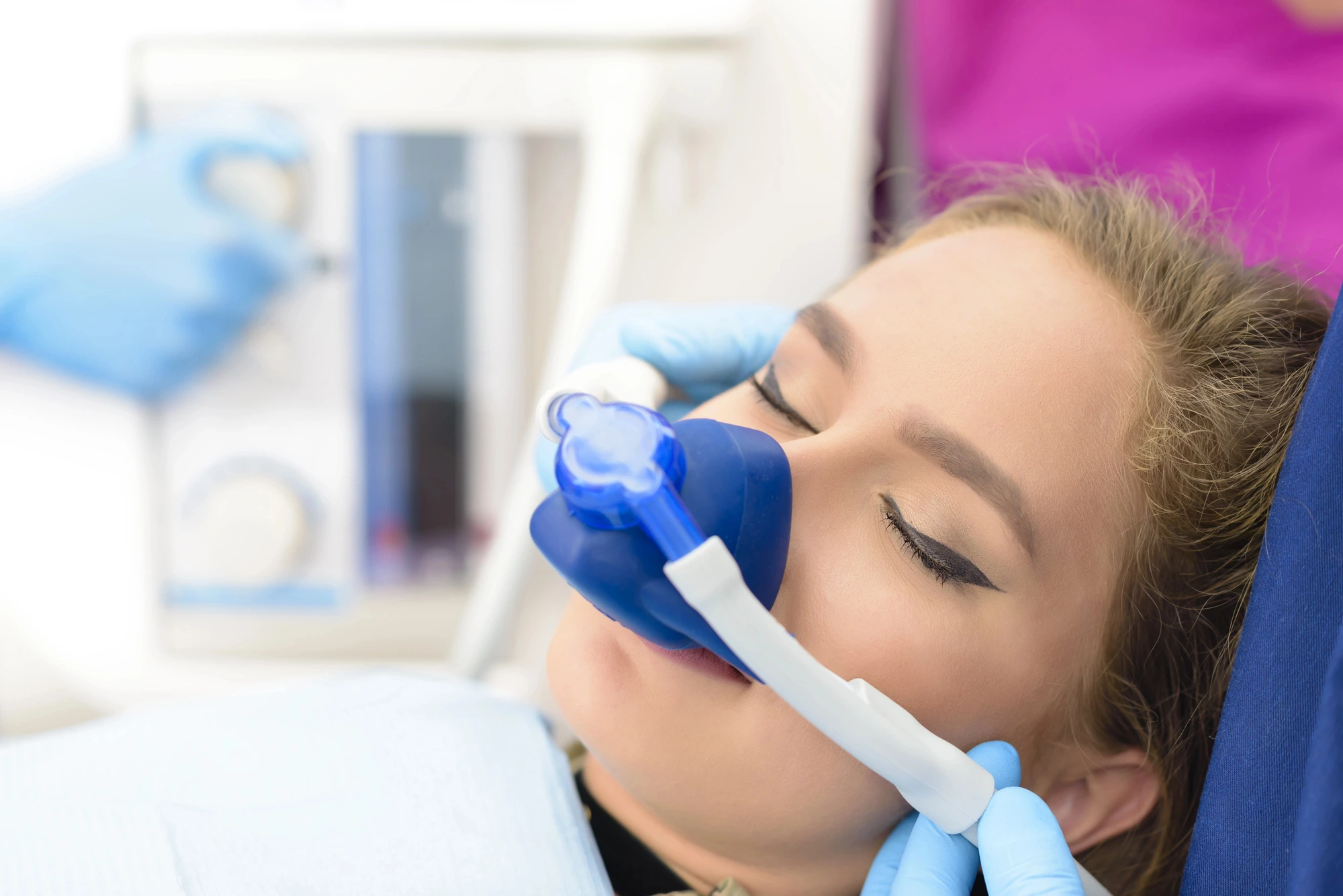
young-woman-with-appliance-for-sedation-dentistry-in-Murray-Hill

Why Dental Anxiety Has Been a Longstanding Barrier 

Dental fear is far more common than many people realize. For some, it stems from a past negative experience, while others feel uneasy due to the sounds, sensations, or perceived discomfort associated with dental procedures. Whatever the cause, anxiety often leads patients to delay or avoid care altogether. 

The Result of Avoidance 

When dental visits are postponed, small issues can develop into more complex problems over time. This often results in: 

  • More extensive dental treatments later on, like root canals 
  • Increased discomfort during procedures 
  • Higher overall treatment costs 
  • Greater risk of oral health complications 

Avoiding the dentist may feel easier in the short term, but it often leads to more challenging outcomes in the long run. 

What Sedation Dentistry Offers Today 

Sedation dentistry provides patients with a way to receive dental care while feeling calm and relaxed. Rather than eliminating awareness completely, sedation helps reduce anxiety and discomfort, allowing patients to undergo treatment more comfortably. 

Common Types of Sedation 

Modern sedation dentistry typically includes several safe and effective options: 

  • IV sedation – administered through a vein for a deeper level of relaxation 

These options allow dental care to be tailored to each patient’s comfort level and treatment needs. 

Key Benefits of Modern Sedation 

  • Reduced anxiety during procedures 
  • Greater comfort for longer treatments 
  • Ability to complete multiple procedures in fewer visits 
  • Improved patient cooperation and experience 

The Shift in Patient Experience 

Sedation has helped dentistry evolve into a more patient-centered field by enabling: 

  • Increased return of patients who avoided care due to fear 
  • Easier completion of complex treatments like dental implants and restorations 
  • More efficient treatment planning and fewer appointments 
  • Higher levels of patient satisfaction and trust 
  • A more positive overall perception of dental care 

In many ways, dentistry is shifting from a stressful necessity to a more comfortable and approachable healthcare experience. 

FAQs About Sedation Dentistry 

Are You Asleep with Dental Sedation? 

Not always. The level of awareness depends on the type of sedation being used. Many forms of dental sedation help patients feel deeply relaxed while remaining awake and responsive, while deeper forms of sedation allow patients to sleep through treatment. 

Is Dental Sedation Safe? 

Yes, dental sedation is considered safe when administered by trained dental professionals. Before treatment, your dentist will review your medical history, current medications, and overall health to determine the most appropriate sedation option for your needs. 

How Do You Prepare for Sedation Dentistry? 

Patients may be asked to avoid eating or drinking for several hours before their appointment, and should arrange for someone to drive them home afterward if deeper sedation is used. 

Your dental team will provide detailed pre-treatment instructions to help ensure a safe and comfortable experience. little-girl-receiving-sedation-dentistry-in-Murray-Hill
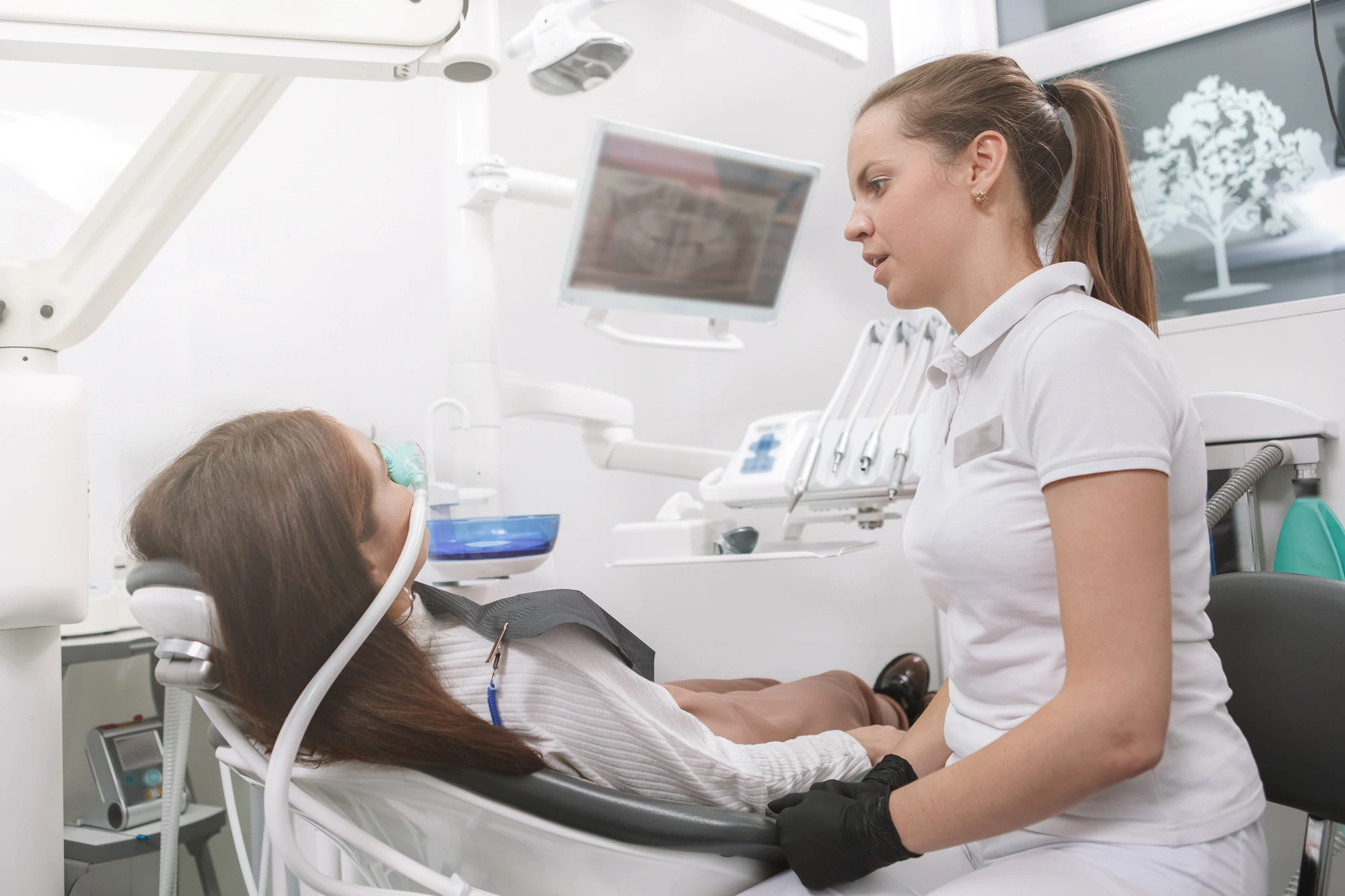
Experience a More Comfortable Way to Care for Your Smile with Sedation Dentistry in Murray Hill 

At Coliseum Dental, we believe that patient comfort should be a priority. If dental anxiety has been holding you back, you don’t have to postpone your oral health any longer. 

Call us today or schedule an appointment online to learn how nitrous oxide and IV sedation can help you receive the care you need in a calm, relaxed, and supportive environment.

What Is a Dental Filling?

Illustration of Restorative dentistry in midtown Manhattan

One of the most popular procedures under restorative dentistry in Midtown Manhattan is dental fillings. Your dental decay can easily be addressed by filling cavities or spaces left by chipped teeth.

Cavities can hurt and make your teeth sensitive, which worsens with time. The relatively quick and efficient technique to fill a cavity is with a dental filling.

Illustration of Restorative dentistry in midtown Manhattan

What You Need to Know About Dental Filling

What Is It?

Dental fillings replace missing tooth structures after decay or a fracture. Cavities are the small holes that tooth decay leaves in the tooth’s enamel (surface layer) while it is in its early stages. The missing part of a tooth from the holes is replaced with a dental filling, which stops any additional decay.   

Remember that the longer dental decay is left untreated, the worse it will get. Too much time without treatment can result in illness, pricey dental work, and tooth loss.  

What Is the Process?

Before starting with the actual procedure, a local anesthetic may be used by your dentist to numb the area. Your dentist will use a special tool to remove rotting and damaged teeth while also cleaning the region after the area has been numbed.

After that, a dental filling substance is applied to the area and hardened by a specific light. Once the filling is in place, your dentist performs a few final inspections to ensure it is smooth and the bite feels normal.

The entire procedure can be completed in a single visit and typically lasts between 30 and 90 minutes. Not much downtime is required; most of it is spent simply waiting for the anesthetic to wear off. In the first 24 to 48 hours, there might be a little bit of sensitivity, but that should pass relatively soon.

What Are the Types of Dental Fillings?

  • Porcelain Inlays and Onlays

To fill teeth, porcelain inlays and onlays may be used. They are manufactured specifically in a lab and then cemented into place to fill your tooth. Porcelain matches your teeth’s color and is stain-resistant, making it more appealing. They may, however, also be a more expensive choice.

  • Gold Inlays and Onlays

Additionally, gold inlays and onlays may be utilized as tooth fillings. They are regarded as the strongest option and have a lifespan of up to 10 or 20 years. Before going into your mouth, they are manufactured just for you in a specialized lab. The cost of gold fillings is unfortunately costly and they are also colored, so they do not match the color of your teeth.

  • Composite Resin

Acrylic resin that has been coarsely crushed is used to make composite fillings. They can provide a flawless finish since they match the color of your natural teeth. Composite fillings are among the solutions with the most realistic appearance, but they are not as durable as some other materials. They may require more frequent replacement.

  • Amalgam   

Silver, copper, tin, and mercury are combined to make strong substances in amalgam fillings. It is a sturdy, simple-to-use substance that is quite affordable. Because of the color, it isn’t utilized as much these days. Amalgam fillings do not naturally blend in with your surrounding teeth since they are metallic grey.  

Can a Cracked Filling Be Fixed?

No. In essence, you’ll need to get the old filling taken out and a new one put in. To prevent bacteria from leaking through holes in the broken filling, it is crucial to replace the damaged or broken filling as soon as you can. Infection and more involved therapy may be needed if the condition is not managed.

Tooth that underwent Restorative dentistry in midtown Manhattan

Discover Other Treatments Under Restorative Dentistry in Midtown, Manhattan

Visit Coliseum Dental to meet one of our welcoming dentists. Our patients enjoy positive dental visits and have healthy teeth and gums. Don’t be reluctant to contact us.  

Types of Restorative Dentistry

Dentist and patient during procedure restorative dentistry Murray Hill

Dental restoration encompasses all aspects of restorative dentistry in Murray Hill. It includes maintaining dental structures, restoring broken or damaged teeth, and replacing missing or damaged teeth. The treatments will consist of minor fixes like fillings or sealing cavities to bridges and crowns, complete tooth replacement with implants, and everything in between. 

The full use of the mouth and teeth is restored to the patient by this type of dentistry, freeing individuals who need routine dental care or those who have experienced illness or accident. 

A lot of restorative dentistry procedures are available according to the patient’s need, the extent of the damage to the dental structures, the patient’s commitment, and the cost. Based on the patient’s requirements and existing situation, your dentist will suggest a course of treatment. 

patient during Restorative dentistry Murray Hill

Restorative Dentistry Treatments You Can Try

Dentures

Dentures are a suitable choice if you don’t have enough healthy teeth in your mouth to function normally. They usually include an entire arch of teeth. Suction or adhesives can be used to secure removable dentures to the gums. Moreover, implant-supported dentures are connected in the mouth by a few dental implants. 

Bridges

A damaged or weakened tooth can be restored with a filling or a crown, but a lost tooth requires a separate restorative procedure. The patient’s fitting or the installation of a fixed bridge is a procedure you’ll have to take to address this dental issue. 

Any patient, regardless of age, could lose a tooth. The standard fixed bridge is frequently the best therapeutic method if this loss happens. A permanent bridge fills the space left by one or more missing teeth. Similar to an actual bridge structure, it is supported at both ends by sturdy foundations. In the case of a dental bridge, your two healthy teeth will serve as the bridge’s pillars.  

The permanent, artificial teeth are inserted into the mouth to fill the space left by the missing tooth or teeth. Usually composed of ceramic resin, these prosthetic teeth are color-matched to the natural teeth on each side of them. 

Dental Implants 

A dental implant can replace a missing tooth or those that need to be pulled because of severe decay or destruction. 

Titanium, a biocompatible metal that forms a strong link with the jawbone, is used to make the implant root. A crown is affixed to the top of the root after it has been surgically implanted in the jaw.  

Since the entire implant has a natural appearance and feel, it is regarded as the most acceptable alternative for replacing a missing tooth. Additionally, dental implants can serve as anchors for dentures and bridges. 

Dental Filling

By far, this is the most frequent restorative dental procedure. Cavities are caused by bacteria penetrating a tooth enamel, the hard outer layer of your tooth. It must be filled to save the delicate pulp inside.  

Your dentist will remove the decayed area of the tooth during a dental filling operation and then replace the hole with composite material that matches the shade of your tooth. Using this filling, your tooth can’t be infected by bacteria. 

Dentist explains Restorative dentistry Murray Hill

Dental Problem Solved by Restorative Dentistry in Murray Hill

You don’t have to live with damaged teeth caused by an accident, decay, or infection. Almost every dental issue you will experience can be resolved with restorative dentistry. At Coliseum Dental, we strive to determine the ideal course of action for your particular circumstance. Call us for more information. 

How I’ll Feel After Sedation Dentistry

learn about Sedation Dentistry Murray Hill

If visiting the dentist makes you anxious, consider sedation dentistry in Murray Hill. You can overcome any dental phobia with dental sedation, finally allowing you to unwind throughout your surgery. Here’s what you’ll experience when you opt for sedation dentistry. 

Sedation Dentistry Murray Hill

Types of Sedation Dentistry and How It Feels 

What Does Sedation Feel Like? 

The purpose of dental sedation is to relax you. Therefore, patients who undergo sedation frequently report feeling at ease and slightly sleepy. The dental procedure’s tension and stress go.  

Naturally, the degree of this sensation varies considerably depending on the type of sedation, the required level, and even the patient’s tolerance. Depending on the kind of sedative used during their surgery, patients express various emotions experienced during “sleep dentistry.” Please read on to understand what to anticipate from each type of dental sedation. 

Types of Sedation 

  • IV Sedation 

IV sedation produces a deeper level of sedation than oral or gas sedation. Patients may struggle to stay awake because they often enter an intense level of relaxation. However, there are also instances when you’re still awake after administering this sedative. In essence, IV sedation produces similar, intensified, safe emotions to those who experience oral sedation. 

  • Oral Sedation 

You can anticipate a greater sense of relief and relaxation with oral sedation. You’ll probably feel sleepy, and you might have trouble speaking. Reflexes and coordination are also slowed down by this type of sedation. Some patients report feeling weighed down. A hazy memory or memory loss following the operation is also frequent. Additionally, patients claim that oral sedation causes time to pass more quickly. 

  • Laughing Gas or Nitrous Oxide 

You might detect the scent of grapes or other fruits if the gas has a smell. Your arms and legs may feel a little tingling, relaxed, and light. Some patients can get giddy and have a “euphoric mood.” It also lessens your pain sensitivity and slows down your reaction speed. 

Prevention of Pain and Sedation

Many people question if you can still feel discomfort when receiving oral or IV sedation. Contrary to anesthesia, which renders you unconscious and painless, the primary goal of conscious sedation is to make you feel relaxed. Even though nitrous oxide has some benefits for pain management, your dentist will still use a local anesthetic to ensure you don’t feel anything during the treatment. 

If you’re concerned about how painful IV sedation is, you can relax. The IV placement is the only unfortunate part. Additionally, if you’re terrified of needles or have a high pain threshold, talk to your dentist about ways to make IV sedation comfortable. 

How Soon Do Dental Sedatives Start Working?

Your body metabolizes different sedatives at varying rates. The effects of oral sedatives take between 30 and 60 minutes to become apparent. In 3 minutes, nitrous oxide starts to work. Within a few minutes, IV sedation begins to take effect as well. 

Consult your dentist about sedation dentistry if any of these apply to you. Using sedation dentistry, your dentist can make it simpler for you to obtain necessary procedures like fillings, extractions, root canal therapy, dental implants, crowns, bridges, and more. 

If you are only getting a routine dental cleaning, dental x-ray, or tooth whitening operation, you probably won’t need dental sedation.  

Patient with Sedation Dentistry Murray Hill

Are You Looking for Safe Sedation Dentistry in Murray Hill?

At Coliseum Dental, we ensure that our treatments are safe and effective. For more details, contact us today! 

Recognizing the Signs of Dental Anxiety 

Nervous patient before Sedation Dentistry in Murray Hill

Dental anxiety is common, but that doesn’t make it any less difficult to deal with. Nervousness about the dentist can make it harder to maintain your oral health, but it should also be taken care of simply because no one wants to deal with stress. Let’s discuss what you need to know to curb your anxiety. This includes both the signs of dental anxiety, as well as an explanation of how our sedation dentistry services in Murray Hill can help.  

We hope this helps you take control of your smile! 

Dental assistant preparing for Sedation Dentistry in Murray Hill

Dental Anxiety Symptoms 

Physiological Signs 

Often, dental anxiety manifests physically. If you’re trying to determine whether you or a loved one have dental anxiety, look for the following: 

  • Sweating 
  • Fast heartbeat 
  • Upset stomach 
  • Fainting 

Psychological Signs

Along with the physical signs, you can often tell that someone’s struggling with dental anxiety by the way they’re acting. They might focus on bad experiences they had at other dental offices, or they could even be trying to mask their fears with humor. 

Psychological signs are typically subtler than physiological ones. That said, if someone knows you well, they probably have a good sense of how you act when you’re anxious. 

This is one reason why taking a loved one with you to the office can improve the situation: they understand what you need to feel better. 

Avoiding the Dentist 

Experts say that up to 20% of Americans avoid going to the dentist because of anxiety. This creates a vicious cycle, wherein patients get more nervous because of the amount of time that has lapsed since the last time they went to the dentist. 

How often you need to go will vary based on your oral health. That said, if it’s been over a year since you last visited, you’re likely avoiding the dentist due to anxiety. The first step is admitting that this feeling is prohibiting you from taking care of your mouth. 

What Should You Do If You Have Dental Anxiety?

If you or a loved one have dental anxiety, the next question is how you can overcome your worries and get into a dental office. Luckily, there are many treatment options available to you. 

In severe cases, you may wish to see a counselor. However, it’s usually easier to choose a dental office that takes active steps to help patients struggling with anxiety. This could be as simple as allowing you to bring a loved one with you to your appointment. 

It can also mean sedation dentistry. We recommend this kind of dentistry for patients who are struggling with stress. It lessens any discomfort you might feel, while also helping you relax. 

We’ll have a conversation before you choose this service to ensure that it matches your needs. Our goal is to help maintain and improve your oral health with as little discomfort as possible.

Woman after surgery and Sedation Dentistry in Murray Hill

Looking for Sedation Dentistry in Murray Hill? 

Coliseum Dental is here for you. We’re proud to combine our state-of-the-art facility with best-in-class patient care. Regardless of what you’re here for, we’ll take care of you and determine how best to serve your needs. 

Please contact us today. Whether you’re ready to book an appointment or you have any additional questions you need answered about our dental facility, we’re here to make sure your smile is taken care of.