
Dental Dilemmas Solved: How to Fill the Void of a Missing Tooth

consultation with a Dentist midtown Manhattan

Losing a tooth can be a dental dilemma that impacts not only your smile but also your confidence and oral health. It’s a situation that many of us hope to avoid, yet it’s more common than you might think. Whether due to injury, decay, or other factors, the loss of a tooth can create a void that affects your daily life. But fear not, because modern dentistry has an array of solutions to fill that void and restore your smile to its former glory. 

Dentist midtown Manhattan explaining procedure to patient

Exploring Tooth Replacement Options 

Dental Implants: 

  • Description: Dental implants are considered the gold standard for tooth replacement. They consist of a small titanium post surgically implanted into the jawbone, acting as a sturdy foundation for a replacement tooth (crown), bridge, or denture. 
  • Benefits: Dental implants offer exceptional stability and functionality, closely resembling natural teeth. They are long-lasting and do not require neighboring teeth to be altered. Implants also stimulate the jawbone, preserving bone density. 
  • Considerations: The implant process involves surgery and may require sufficient jawbone density. It may take several months to complete the treatment. 

Dental Bridges: 

  • Description: Dental bridges consist of one or more artificial teeth (pontics) anchored to adjacent healthy teeth, which serve as support (abutments). They literally “bridge” the gap created by missing teeth. 
  • Benefits: Bridges are an effective and durable solution for tooth replacement. They restore the ability to chew and speak comfortably. They also maintain facial structure and aesthetics. 
  • Considerations: To accommodate the bridge, the adjacent teeth must be modified. This irreversible alteration may affect those teeth in the long term. 

Dentures:

  • Description: Dentures are removable prosthetic devices used to replace multiple missing teeth. Complete dentures replace all teeth in an arch, while partial dentures replace a few missing teeth and anchor to existing ones. 
  • Benefits: Dentures are versatile and cost-effective. They restore basic oral functions like eating and speaking. They are also removable for cleaning and maintenance. 
  • Considerations: Dentures may require adjustments and may take time to adapt to. Over time, they may need relining or replacement due to changes in jawbone structure. 

Removable Partial Dentures: 

  • Description: Removable partial dentures are similar to regular dentures but are designed to replace only a few missing teeth and attach to natural teeth with clasps or precision attachments. 
  • Benefits: They provide an affordable solution for tooth replacement and are relatively easy to maintain. 
  • Considerations: They rely on adjacent teeth for support, which may affect those teeth over time. Some patients find them less stable than other options. 

Implant-Supported Dentures:

  • Description: Implant-supported dentures combine the stability of dental implants with the convenience of dentures. A few strategically placed implants secure the denture in place. 
  • Benefits: Implant-supported dentures offer enhanced stability, preventing slipping or discomfort associated with traditional dentures. They improve chewing efficiency and overall comfort. 
  • Considerations: The implant-supported denture process can be more expensive than traditional dentures or bridges. 
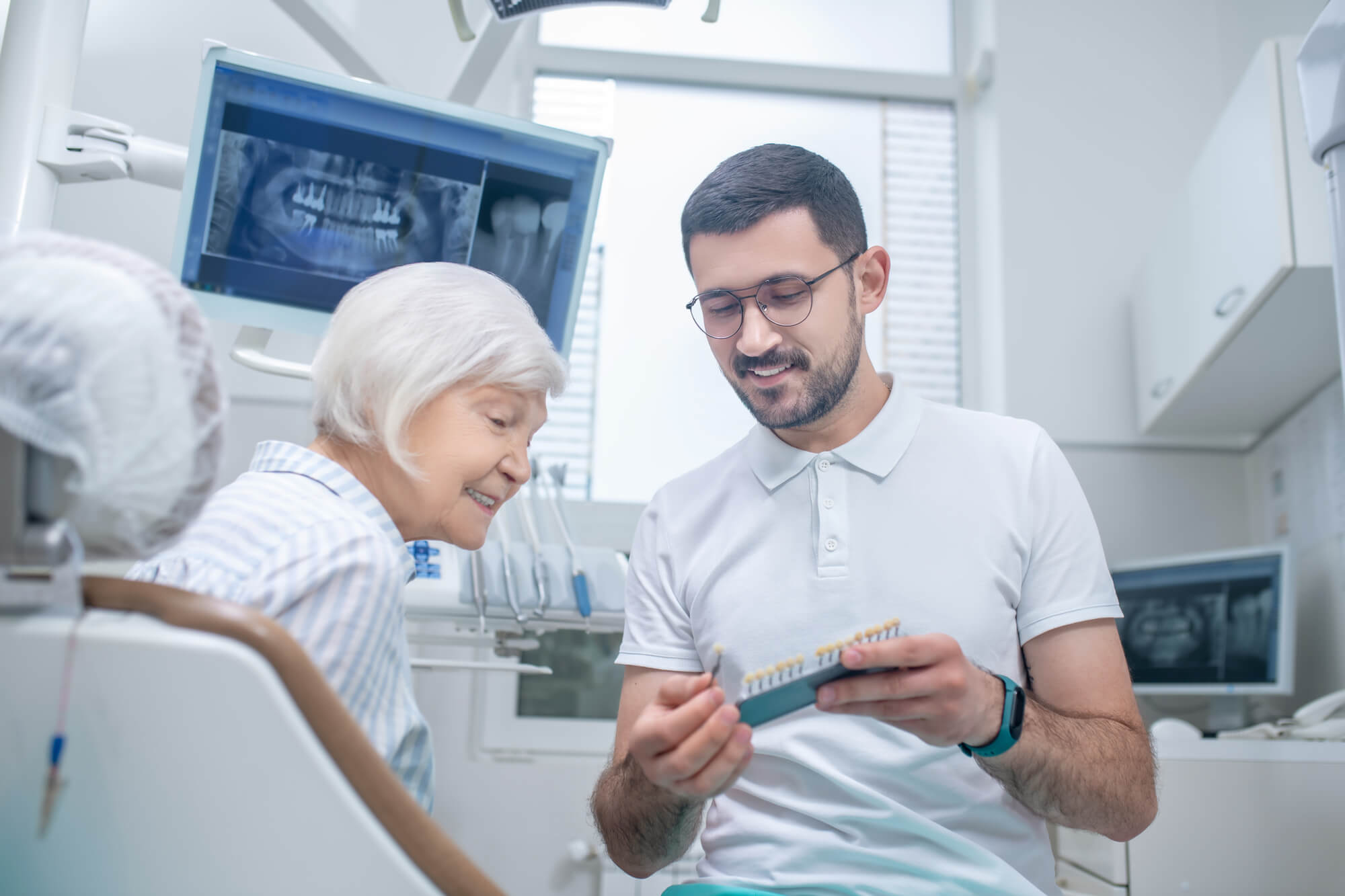
Dentist midtown Manhattan and patient discussing

Need Expert Guidance From a Trusted Dentist in Midtown Manhattan? 

Whether you opt for dental implants, bridges, dentures, or another option, the key is to seek guidance from a skilled dentist who can assess your unique situation and guide you toward the ideal choice. 

At Coliseum Dental, our dedicated team is committed to helping you find the best tooth replacement solution for your specific needs. We understand the importance of a confident smile and a fully functional set of teeth, and we’re here to support you on your journey to dental restoration. Contact us for an appointment.  

A Roadmap to Restorative Dentistry: Selecting the Ideal Treatment Option

Dentist Murray hill smiling

Whether you need to repair a cavity, replace a missing tooth, or improve the overall appearance of your smile, restorative dentistry has you covered.  

The choices can seem overwhelming – from fillings that restore decayed teeth to crowns that protect and strengthen damaged teeth, and from dental implants that provide a permanent solution for missing teeth to dentures that offer a removable option. 

But fear not! Our experienced dentist in Murray Hill is here to guide you through the process and help you select the best treatment option for your unique needs.  

Dentist Murray hill and a teeth model

Navigating Restorative Dentistry: Choosing the Perfect Treatment for You 

Step 1: Schedule a Comprehensive Dental Evaluation 

The first step on your roadmap to restorative dentistry is to schedule a comprehensive dental evaluation with your trusted dentist. During this visit, your dentist will examine your oral health, discuss your concerns and goals, and assess the extent of any dental issues. This evaluation allows your dentist to gather essential information to determine your ideal treatment options. 

Step 2: Understand the Available Restorative Dentistry Options 

Restorative dentistry encompasses a range of treatments, including fillings, crowns, bridges, dental implants, and dentures 

Take the time to understand each option, its benefits, and its suitability for your situation. Your dentist will explain these treatments in detail, addressing any questions or concerns you may have. By familiarizing yourself with the available options, you’ll be better equipped to make an informed decision. 

Step 3: Consider Long-Term Dental Health Goals 

During your consultation, discuss your long-term dental health goals with your dentist. Are you seeking a durable, low-maintenance, or aesthetically pleasing solution? Do you prioritize preserving the natural structure of your teeth or are you open to replacement options? Understanding your goals will help your dentist tailor the treatment recommendations to align with your desires and lifestyle. 

Step 4: Evaluate Affordability and Insurance Coverage 

Restorative treatments can vary in cost, depending on factors such as the complexity of the procedure and the materials used. Talk to your dentist about the financial aspects of each treatment option and explore any potential insurance coverage. They can provide a clear breakdown of the costs and discuss payment plans or financing options to make the treatment more affordable. 

Step 5: Trust Your Dentist’s Expertise and Recommendation 

Your dentist is a highly trained professional with a deep understanding of restorative dentistry. After evaluating your oral health, discussing your goals, and considering your financial situation, they will provide a tailored recommendation. Trust their expertise and rely on their guidance to select the ideal treatment option to restore your smile and improve your oral health. 

Dentist Murray hill fabricating dentures

Looking for a Dentist in Murray Hill for Your Restorative Dental Needs?

Restorative dentistry offers a range of treatment options to help you regain a healthy and beautiful smile. By following this roadmap and consulting with your dentist, you’ll be ready to select the ideal treatment option for your needs. Take the first step toward achieving a radiant smile by scheduling a consultation with Coliseum Dental today! 

The Worst Foods for Your Teeth: A Guide to Keeping Your Smile Healthy

We all know that certain foods are bad for our waistlines, but did you know that some foods are bad for your teeth too? In this article, we’ll explore some of the worst foods for your teeth and give tips on keeping your pearly whites healthy based on the experience and expertise of a dentist in Kips Bay.

Unhealthy Foods and Drinks for Your Teeth

Sticky Candies and Gum

Sticky candies and gum are some of the worst foods for your teeth because they can get stuck in the crevices and grooves of your teeth, making it difficult for your saliva to wash them away. This allows the sugars in these foods to stay in contact with your teeth for longer, which can lead to the growth of harmful bacteria and plaque buildup.

In addition to the damage caused by the sugar content, sticky candies, and gum can also cause physical damage to your teeth. When you chew gum or eat sticky candy, the constant pressure on your teeth can wear down your enamel over time, making your teeth more susceptible to cavities and decay.

If you love candy and gum, don’t worry – you don’t have to give them up altogether. Instead, choose options that don’t stick to your teeth as easily, like chocolate. And when you do indulge in sticky candies or gum, brush your teeth or rinse your mouth with water afterward to help remove any leftover residue.

Acidic Foods and Drinks

These types of foods and drinks, like soda and citrus fruits, can erode your tooth enamel over time. This can lead to sensitivity, discoloration, and even tooth decay. To minimize the damage, drink water with your acidic drinks and rinse your mouth afterward.

Hard Candies and Ice

Chewing on hard candies and ice can chip or break your teeth. These foods are particularly dangerous for people with fillings, as they can dislodge them or cause them to crack. If you need something to chew on, try sugarless gum instead.

Starchy Foods

Starchy foods like potato chips, crackers, and bread can harm your teeth because they are high in carbohydrates. When you eat starchy foods, they break down into simple sugars, which can contribute to the growth of harmful bacteria in your mouth. These bacteria can produce acids that erode your tooth enamel and lead to tooth decay.

In addition, starchy foods can get stuck in the crevices and gaps between your teeth, promoting plaque growth and making it difficult to remove with just brushing. This can lead to the development of cavities and gum disease over time.

If you can’t resist starchy foods, you can do a few things to prevent the damage. Firstly, limit your intake of starchy snacks and focus on eating more fresh fruits and vegetables. Secondly, rinse your mouth with water after eating starchy foods to help remove any leftover particles. Finally, be sure to brush and floss your teeth regularly to help remove any plaque buildup that may have occurred.

Following these tips can help keep your teeth healthy even if you can’t resist the occasional potato chip or slice of bread.

Sugary Drinks

Sugary drinks, like fruit juice and soda, are packed with sugar that can damage your teeth. In addition, they can stain your teeth and contribute to discoloration. If you need a sweet beverage, try tea or water with lemon instead.

Tips for Keeping Your Teeth Healthy

Now that you know which foods not to eat, here are some tips for keeping your teeth healthy:

  • Brush and floss regularly to remove plaque buildup.
  • Use mouthwash to freshen your breath and kill the remaining bacteria.
  • Drink water throughout the day to rinse your mouth out and stay hydrated.
  • Visit your dentist regularly for checkups and dental cleanings.
  • Opt for healthy snacks, like fresh vegetables and fruits, instead of sugary or starchy options.

Ask Our Dentist in Kips Bay

By following these tips and avoiding the worst foods for your teeth, you can keep your smile healthy and bright for years. Come see us today!

What You’ll Feel After Sedation Dentistry

dentist uses syringe to administer sedation dentistry in Gramercy Park

Almost all patients know that “laughing gas” and other sedative options are used in hospitals. However, few only know about sedation dentistry in Gramercy Park. One type of sedation used by dentists is laughing gas, but it’s not the only one. Dentists can safely give you a sedative to help you unwind during painful dental treatments, including oral surgery.

Laughing gas (nitrous oxide), oral sedation, and intravenous (IV) sedation are some of the several forms of sedation. Nearly all dentists are qualified to give nitrous oxide inhalations or recommend oral sedatives, but they must have the appropriate certification to provide IV sedation.

sedation dentistry in Gramercy Park such as nitrous oxide

What Are the Side Effects of Sedation Dentistry?

Headache Is Possible as a Side Effect

After being sedated, a headache may set in. The facial and scalp muscles may contract because of the anesthesia, but this will subside quickly once the recovery starts. If you have a headache, you don’t have to panic. However, if it persists or becomes painful, you must consult a dental professional.

Low Blood Pressure

Reduced brain metabolism, blood flow, and intracranial pressure are all effects of sedation. The adverse effects of headache, tiredness, and dizziness may also result from low blood pressure. Nonetheless, dental professionals are very cautious about this, especially when they are dealing with seniors.

A Long Reflex

It is natural to expect that it will take some time for your body to resume its “normal” state after waking up from a sedative state. This is because the effects of sedation will slow down some parts of the entire body.

Give your body a day to rest so that your reflexes will have enough time to catch up. It would help if you also kept someone at your side following the procedure. Ensure you have a few obligations or activities that could jeopardize your safety at home. Avoid tasks like cooking that call for quick reactions and heavy lifting. All these apply only when you are heavily sedated. It’s important to note that most sedatives subside quickly and will not affect your day.

Forgetfulness

A patient can enter a “twilight state” when dentists use moderate sedatives like nitrous oxide. This state indicates that the patient isn’t aware of what they’re saying and is likely to forget what they said when things get back to normal. Be prepared for the possibility that you won’t remember anything that happened during the process and avoid engaging in any activities that call for intense attention or important judgment calls.

Sluggish Feelings and Drowsiness

You’ll feel heavy or sluggish after receiving sedation dentistry since it causes your muscles to relax to the extent of a trance-like state – this is quite normal. However, after receiving sedation, it is strongly advised that no one drives themselves home or operates large or complicated machinery.

Drowsiness during surgery is a very frequent side effect of sedation, and many patients discover that this effect persists for a long time after the treatment is finished. It’s typically advised to arrange for someone to drive you home after surgery because some gases can make you sleepy or affect your perception. To regain your strength following sedation, make sure to obtain as much sleep as you can.

dentist performs sedation dentistry in Gramercy Park

Advantages of Sedation Dentistry in Gramercy Park

The simple benefits of sedation dentistry include being conscious during dental procedures for those who experience dental phobia or anxiety. When it comes to uncomfortable and painful operations, such as getting braces installed or having a tooth extracted, sedatives are also strongly advised.

Sedation dentistry ultimately helps patients receive dental care without being hindered by fear or anxiety, enabling them to attain greater oral health and more attractive smiles. Give us a call if you have any questions.

How Long Does Gum Bleaching Last?

brilliant teeth because of gum bleaching in Hell’s Kitchen

Gum bleaching in Hell’s Kitchen is a fantastic technique to improve your smile. Everyone aspires to have the most attractive smile imaginable, but this isn’t always achievable due to dental or gum issues. Even though dental problems are more prevalent in society, some people have problems with dark gums.

unhealthy teeth because woman did not avail of gum bleaching in Hell’s Kitchen

Gum Depigmentation

What Is Gum Depigmentation?

The cosmetic procedure known as gum bleaching, also known as gum depigmentation, dark gum treatment, or gum whitening, is quick and comparatively painless. A soft tissue laser is used during the operation. When the gum tissue’s black or brown spots are exposed to the laser, they vanish. Although many patients undergo this procedure to lighten their black gums, some still do so to have evenly pink gums across their mouths.

Who Is Eligible for This Therapy?

It would help if you had healthy gums to undergo gum whitening operations. You can visit our dental clinic so our dental professionals can evaluate your gum health. This way, you’ll know whether you’re a good candidate for gum bleaching.

What Leads to Patchy or Dark Gums?

  • Gingivitis (Acute Necrotizing Ulceration stage)

This gum disease stage is simply known as trench mouth. It is a periodontal condition brought on by an abundance of bacteria. Acute necrotizing ulcerative gingivitis, a considerably more severe infection, can cause gum discomfort, a high fever, poor breath, and discoloration and pigmentation on the gum tissue. Dead tissue, which is typically grey or black, is what causes the discoloration.

  • Medications

Some drugs have negative effects on the color of the skin and gums. They could consequently result in black gums. However, medication-related black spots on gum tissues typically disappear once the patient stops taking medicine.

  • Smoking

Smoking causes surface discoloration of the teeth. It follows that the gums will also darken as a result. The smoke does not, however, rest directly on the gum tissue. Instead, the plot differs slightly. Because tobacco contains nicotine, which stimulates the body to manufacture more melanin than usual, the result is dark gums.

  • Melanin

Our bodies naturally create melanin, which gives our skin its color. Darker skin, hair, and eyes result from more melanin in our bodies. Similar to how gum melanin causes dark or even black spots.

Hereditary and ethnic factors contribute to the body’s high melanin levels. For instance, those with dark complexion are more likely to have darker gums.

Is Gum Bleaching Painful?

No. You won’t feel pain throughout the non-invasive gum bleaching technique. Soon after the surgery, you can experience transient gum sensitivity.

Gum Bleaching: Is it Safe?

The gum bleaching procedure is safe, especially because of today’s advanced technology. The black tissue on the surface of your mouth is softly removed using a microdermabrasion procedure or laser technology while you are sedated.

How Long Do the Results of Gum Bleaching Last?

The gum bleaching process takes less than an hour. However, the results of the operation linger quite a while, or, simply put, the results are typically long-lasting. Some gorgeous pink gums even retain their color for 20–25 years. However, it will quickly revert to situations brought on by external factors like smoking.

However, the same outcome is not feasible in situations where the reason is genetic. In these situations, the effects of gum bleaching begin to fade after several years.

perfect teeth of gum bleaching in Hell’s Kitchen

Where to Get Gum Bleaching in Hell’s Kitchen

We are dedicated to providing you with the best quality, clinical expertise, and dental technology to solve your dental problems. We have quality standards and strictly abide by them for each patient and treatment. You can contact us through this link for more information about gum bleaching.

Dental Health and Your Immune System 

a smiling patient at the Dentist in midtown Manhattan 

Did you know oral health can significantly impact your overall health and well-being? According to a dentist in Midtown Manhattan, by maintaining good oral health, you can boost your immune system and ensure that you can defend yourself from common infections and diseases. How do your oral health and the immune system interact? Continue reading to know the answer.

a smiling woman after seeing a Dentist in midtown Manhattan 

How Is Your Immune System Affected by Dental Health

Bacteria

Bacteria are largely to blame for the issues that result from inadequate oral hygiene. Our mouth is the ideal place for bacteria to proliferate. It is warm and damp, and bacteria can access plenty of nutrients. Food residues left behind after not brushing or flossing allow germs to fester and increase in your gums. With this, there will be a lot of issues when bacterial growth is out of control.

Even though bacteria enter the body through the mouth, issues do not simply affect the tooth cavity. If left untreated, bacteria can potentially infect the circulation and respiratory system. Gingivitis, the most prevalent type of gum disease, is just a minor condition but can still affect your immune system. If not treated, it can trigger an immunological response when it enters the bloodstream, which could start a domino effect that results in numerous health issues.

Immune System

Actually, it’s fairly easy. Your immune system only has a finite number of immune cells to defend itself against viral and bacterial illnesses. It will become less effective and more susceptible to illness when your immune cells are overused and the process is overextended.

A significant contributing reason to this can be poor oral health. There are billions of microorganisms in your mouth. They will consume food particles, expel acid that rots your teeth, and try to infect your gums if left unchecked.

The gums will swell and inflame when oral germs try to infect them because the immune system rushes to defend you. Fewer immune cells are available to tackle various health issues and respond to viruses and bacteria throughout your body if your immune cells have to fight off bacteria in your mouth. It will, later on, result in a weakened immune response overall.

Keep Your Mouth Healthy to Maintain Good Overall Health

The threat of negative health impacts is reduced when you have a strong immune system that controls the germs in your mouth and the rest of your body. When your immune system works properly, it quickly removes microorganisms and guards against additional ailments.

  • Dental Cleanings

For tooth cleanings, you need to visit your dentist every six months. Cleanings and oral exams, which remove bacteria-filled plaque and tartar, enable dentists to monitor your oral health and advise you on better care of your teeth and gums.

  • Eat Less Sugar  

Reducing your sugar intake will help keep your dental and overall health in its optimal state. A healthy diet should be low in sugar and carbohydrates and high in whole grains, vegetables, fruits, and lean meats.

After meals, think about using mouthwash to eliminate oral bacteria and freshen your breath. Mouthwash is never an alternative for flossing and brushing, but it can help. With the right immunity, using it after meals can also help remove food particles that bacteria feed on and prevent mouth infections.

  • Brush and Floss   

Your teeth must be properly brushed to maintain their health. Ideally, it would help if you brush twice a day – once after you get up and once before bed. This will get rid of the most bacteria possible. At any time, you can floss. Use the right method, be thorough, and clean the spaces between your teeth of plaque, bacteria, and food particles.

a Dentist in midtown Manhattan giving a thumbs up sign

Get the Dental Care You Need From a Dentist in Midtown Manhattan

At Coliseum Dental, we ensure that your dental health is our top priority. Please schedule an appointment with us!

How Are Laser Treatments Performed?

Doctor performing Laser Dentistry in midtown Manhattan on a patient 

Drilling and long-numbing needles are the most feared aspects of dental work. The good news is that there are superior alternatives. Thanks to laser dentistry in Midtown Manhattan, cavities and other oral health issues can be treated naturally without using dental drills or hazardous chemicals.   

Your dentist can perform a variety of day-to-day dental operations using lasers. Dentists can preserve more of your natural tooth structure and gum tissue with laser treatments. In contrast to conventional therapies, most of these procedures are performed without anesthesia.  

Patient getting treated with Laser Dentistry in midtown Manhattan 

Expectations, Benefits, and Drawbacks of Laser Dentistry

What to Expect

Most laser dentistry procedures resemble their related dental procedures quite closely. For instance, if your dentist is utilizing a dental laser to fill a cavity, they would follow the same steps as they would for a conventional filling, but instead of using a drill, they will use a laser to remove tooth rot.   

Depending on the operation, your dentist may need to provide anesthesia to numb your mouth. For instance, deeper cavities require numbing shots, while very shallow cavities may not.   

After preparing your mouth, your dentist will use a laser to complete the procedure. They will utilize the laser to remove tooth decay in cases of cavities. You may also hear popping sounds when the laser vaporizes the tooth-decaying areas.  

Likewise, your dentist will fill the cavity after removing the decayed tooth, the same as they would if they were using a dental drill. However, dentists frequently need to shape and polish the composite with a drill, even with laser operations.   

Compared to the identical procedure performed using conventional methods, most patients report less pain following laser dental procedures. The nerves in your mouth can heal more quickly with laser treatments, hastening the process of returning things to normal.  


What Are the Benefits?

What advantages can laser dentistry offer? Among the benefits of laser dentistry are the following:  

  • No Sutures Are Required – Sutures are needed for several dental treatments, like soft tissue biopsies, when done by conventional means. There is no need for sutures when dentists or oral surgeons perform these operations with a laser.  
  • Early Dental Problem Identification – Lasers can identify cavities, germs, and other dental issues earlier than other techniques. For instance, this method can frequently recognize dental decay before it is visible on an x-ray or during a standard checkup.  
  • Leaving Healthy Tissues Intact – Dental drills for cavity treatments remove some good tooth tissue. You can maintain more of your natural tooth because laser treatments only remove the decaying tooth portions.  
  • Less Bleeding and Pain – Dental lasers cut through soft tissue by enclosing blood vessels and nerve endings, minimizing bleeding and post-operative discomfort.  
  • A Quicker Recovery Period – Dental surgeries performed with laser technology heal faster than those achieved with conventional methods.  


What Are the Drawbacks?

Some laser dental procedures require an anesthetic. In specific scenarios, numbing shots might still be necessary. It’s also important to remember that teeth with fillings or other dental treatments cannot be treated with laser dentistry. Additionally, lasers cannot be used on dentures or dental implants.  

What Distinguishes a Laser Procedure from a Conventional Filling?  

The method used to remove the decayed tooth tissue—a dental drill or a laser from the dentist—distinguishes laser treatment from a conventional filling. Less healthy tooth tissue is also removed during laser procedures. 

Person smiling while getting Laser Dentistry treatment in midtown Manhattan 

Is Laser Dentistry in Midtown Manhattan Worth It?   

In many aspects, laser dentistry can be superior to conventional techniques. Compared to traditional dental surgery, it’s typically less painful, doesn’t harm tissues as much, and most patients recover more quickly. Please schedule an appointment with us to learn more about laser dentistry.

Best Food for Your Teeth

happy patient smiles at dentist in Murray Hill

Brushing and flossing are only the beginning of proper dental hygiene. There are many beneficial habits to develop in order to keep your smile bright and beautiful, but don’t forget the tremendous cleansing capabilities of common meals. Below are the foods listed by a dentist in Murray Hill that are excellent for your teeth. These will aid in the development of healthy teeth and gums, as well as the prevention of tooth decay and gum disease. 

nuts not recommended by dentist in Murray Hill

Foods Highly Recommended by Dentists 

Chocolate 

Yes, you read that correctly. Chocolate! (If it contains at least 70% cacao and is consumed in moderation.) 

Dark chocolate is a superfood for your teeth because it contains a component called cocoa bean husk (CBH), which has been shown to help harden tooth enamel, reducing the risk of tooth decay. However, not all chocolate is beneficial to your health. The good thing is found in the cocoa bean, not the chocolate, so go for the dark chocolate and remember to brush your teeth afterward. 

It’s best to avoid chocolate with nuts if you have braces. It’s also a good idea to keep your chocolate sweets at room temperature rather than in the fridge, as cold, hard chocolate can be difficult to chew. 

Black and Green Teas 

Polyphenols, found in both green and black tea, interact with plaque-causing bacteria, killing or inhibiting them. Bacteria feed on the sugars in your mouth and then emit acidic acids that eat away at your tooth enamel. Also, tea is an excellent choice during or after a meal since it reduces the prevalence of acid-producing bacteria in the mouth. 

Onion 

While you may not enjoy biting into an onion, adding it to salads or stir fries might help strengthen your teeth. In reality, the humble onion helps eliminate harmful germs in the mouth and throughout the body, making it a true superfood. 

bag of vegetable carried by a dentist in Murray Hill

Celery 

Celery is a high-fiber vegetable that is worth mentioning when it comes to maintaining your dental health. With each delectable bite, this crunchy superfood effectively cleans your teeth. Because it needs aggressive chewing, it creates a lot of bacteria-fighting saliva, which is beneficial to your general oral health. 

Water 

The breakdown of food, neutralization of bacterial acid and prevention of dental decay all require optimal levels of water in your saliva. While water isn’t as effective as a toothbrush and floss in removing plaque, it can help by rinsing away food particles. After drinking coffee or eating highly pigmented meals, rinsing with water can help decrease tooth stains. 

Oranges 

Given that oranges are a citrus fruit, this one may come as a surprise. It contains vitamin C, which strengthens blood vessels and connective tissue and, by lowering inflammation, inhibits the onset of gum disease. 

Make oranges, grapefruits, and other citrus fruits a regular part in your fruit bowl. But, remember to wait at least half an hour after eating citrus fruits before cleaning your teeth since the acidic component may harm them. 

Vegetables and Fruits 

If you don’t have a toothbrush with you, don’t worry. Fruits and vegetables high in fiber are your next best bet. Their high fiber content ‘scrubs’ the teeth in the same way as a toothbrush does, and the extra chewing they require encourages saliva production

Salad greens are packed with nutrients, and the high-water content of crisp, juicy fruits and vegetables helps to balance out their sugar level. Keep fresh carrots, celery, cucumber, and apples on hand at all times because they’re sometimes referred to as “nature’s toothbrushes”. So, when you forgot to bring your toothbrush at a weekend getaway, getting high in fiber fruit or vegetable will do the trick. 

fruits recommended by a dentist in Murray Hill

Effective Dental Health Tips From a Dentist in Murray Hill 

At Coliseum Dental, we make sure that our tips are effective and practical. Schedule an appointment today to get in touch with our professionals.