Best Food for Your Teeth

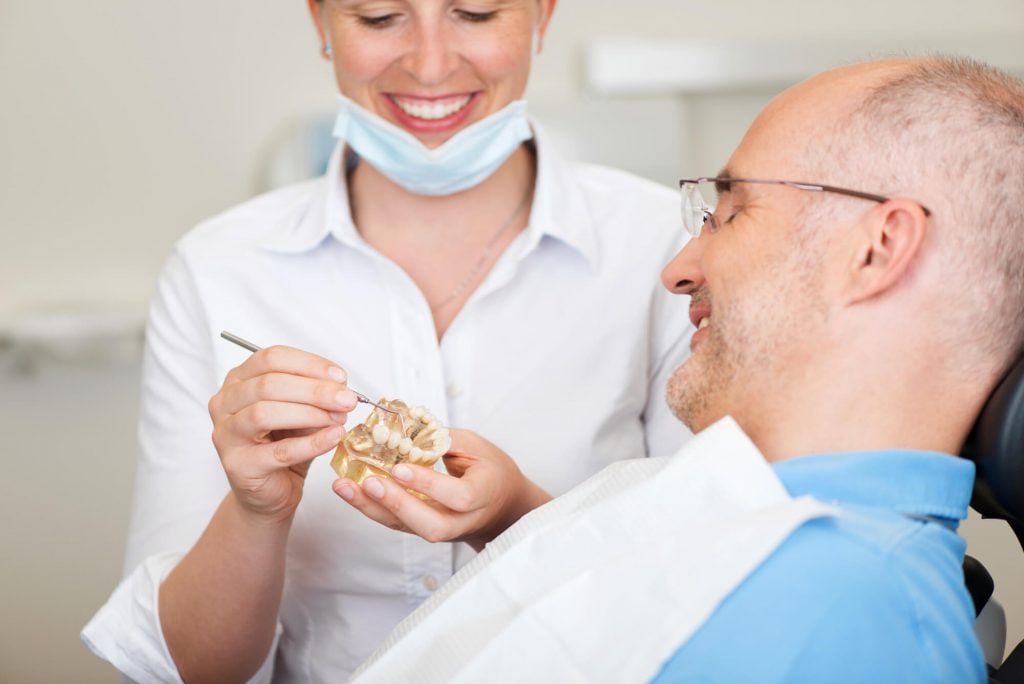
happy patient smiles at dentist in Murray Hill

Brushing and flossing are only the beginning of proper dental hygiene. There are many beneficial habits to develop in order to keep your smile bright and beautiful, but don’t forget the tremendous cleansing capabilities of common meals. Below are the foods listed by a dentist in Murray Hill that are excellent for your teeth. These will aid in the development of healthy teeth and gums, as well as the prevention of tooth decay and gum disease. 

nuts not recommended by dentist in Murray Hill

Foods Highly Recommended by Dentists 

Chocolate 

Yes, you read that correctly. Chocolate! (If it contains at least 70% cacao and is consumed in moderation.) 

Dark chocolate is a superfood for your teeth because it contains a component called cocoa bean husk (CBH), which has been shown to help harden tooth enamel, reducing the risk of tooth decay. However, not all chocolate is beneficial to your health. The good thing is found in the cocoa bean, not the chocolate, so go for the dark chocolate and remember to brush your teeth afterward. 

It’s best to avoid chocolate with nuts if you have braces. It’s also a good idea to keep your chocolate sweets at room temperature rather than in the fridge, as cold, hard chocolate can be difficult to chew. 

Black and Green Teas 

Polyphenols, found in both green and black tea, interact with plaque-causing bacteria, killing or inhibiting them. Bacteria feed on the sugars in your mouth and then emit acidic acids that eat away at your tooth enamel. Also, tea is an excellent choice during or after a meal since it reduces the prevalence of acid-producing bacteria in the mouth. 

Onion 

While you may not enjoy biting into an onion, adding it to salads or stir fries might help strengthen your teeth. In reality, the humble onion helps eliminate harmful germs in the mouth and throughout the body, making it a true superfood. 

bag of vegetable carried by a dentist in Murray Hill

Celery 

Celery is a high-fiber vegetable that is worth mentioning when it comes to maintaining your dental health. With each delectable bite, this crunchy superfood effectively cleans your teeth. Because it needs aggressive chewing, it creates a lot of bacteria-fighting saliva, which is beneficial to your general oral health. 

Water 

The breakdown of food, neutralization of bacterial acid and prevention of dental decay all require optimal levels of water in your saliva. While water isn’t as effective as a toothbrush and floss in removing plaque, it can help by rinsing away food particles. After drinking coffee or eating highly pigmented meals, rinsing with water can help decrease tooth stains. 

Oranges 

Given that oranges are a citrus fruit, this one may come as a surprise. It contains vitamin C, which strengthens blood vessels and connective tissue and, by lowering inflammation, inhibits the onset of gum disease. 

Make oranges, grapefruits, and other citrus fruits a regular part in your fruit bowl. But, remember to wait at least half an hour after eating citrus fruits before cleaning your teeth since the acidic component may harm them. 

Vegetables and Fruits 

If you don’t have a toothbrush with you, don’t worry. Fruits and vegetables high in fiber are your next best bet. Their high fiber content ‘scrubs’ the teeth in the same way as a toothbrush does, and the extra chewing they require encourages saliva production

Salad greens are packed with nutrients, and the high-water content of crisp, juicy fruits and vegetables helps to balance out their sugar level. Keep fresh carrots, celery, cucumber, and apples on hand at all times because they’re sometimes referred to as “nature’s toothbrushes”. So, when you forgot to bring your toothbrush at a weekend getaway, getting high in fiber fruit or vegetable will do the trick. 

fruits recommended by a dentist in Murray Hill

Effective Dental Health Tips From a Dentist in Murray Hill 

At Coliseum Dental, we make sure that our tips are effective and practical. Schedule an appointment today to get in touch with our professionals. 

Types of Laser Dentistry

patient smiles after laser dentistry in Midtown Manhattan

Dentists are constantly searching for better ways to care for their patient’s oral health. Laser dentistry in Midtown Manhattan is one method used to accomplish this.  

Although lasers have been used in the dental world since the early 1990s, they have been enhanced and improved to handle an increasing number of issues and provide remarkable smile benefits. There are two types of laser dentistry: hard tissue and soft tissue applications.  

A diode or YAG laser can treat periodontal disease more effectively for soft tissue problems. Carbon dioxide lasers, for instance, can safely and quickly remove diseased tissue while preserving healthy tissue. Blood vessels and nerves can be targeted by this laser as well.

Dentist explains the process of laser dentistry in Midtown Manhattan

Hard and Soft Tissue Laser Dentistry Applications 

Soft Tissue Applications 

If a patient has any anxiety about treatment, laser therapy may be appealing to them. Almost everyone who receives laser therapy has less discomfort, gingival swelling, and post-operative pain as a result of their treatment. Likewise, hemostasis eliminates the need for sutures.  

While electrosurgery may be faster on occasion, laser treatment seems to be more comfortable and less traumatic for patients. It can be comforting to know that their dentist employs an advanced approach to oral care. Additionally, infants and children who would otherwise require a general anesthetic can now undergo surgery thanks to advances in soft tissue treatment. 

Examples of soft tissue uses include:  

  • Removing tissue to treat sleep apnea   
  • Reshaping gummy smiles  
  • Eliminating benign tumors  
  • Addressing cold sores  
  • Repairing congenital abnormalities and soft tissue defects  
  • Crown lengthening  

For individuals with gum disease, soft tissue laser dentistry can be a lifesaver. Therapeutic treatments use a thin fiber to deliver ultrasonic energy to treat deep pockets in the gums. Chromophores, melanin, and hemoglobin found in gum disease effectively absorb the laser’s energy, so the treatment is directed at those areas that are unhealthy.  

To reduce the inflammatory response and eliminate irritants from the root surfaces of teeth, non-surgical treatment typically entails scaling and root canal therapy. When combined with laser therapy, scaling and root planing improves treatment results even further. 

Hard Tissue Applications 

A hard-tissue laser’s ability to accurately cut through enamel makes it an excellent choice for the exact removal of bone and teeth. From preparing teeth for dental crowns to correcting old fillings, this includes all aspects of dentistry.  

The following are some possible uses for hard tissue lasers:  

  • Teeth whitening   
  • Treating tooth sensitivity (to seal the roots of the tooth)  
  • Tooth preparation for crowns and fillings  
  • Removing and detecting cavities  
dentist checks patient's mouth before laser dentistry in Midtown Manhattan

Advantages of Laser Dentistry in Midtown Manhattan 

Most general dentists have decided to use laser dentistry because it gives several distinct advantages over more conventional methods. Every time a patient is treated, dentists want to make them feel as comfortable as possible. Some of the benefits of laser dentistry are as follows:  

  • Less likely to need stitches with laser treatment  
  • Lasers are highly precise, so less healthy tissue has to be removed  
  • Lasers are sterile, which means there is a lower chance of an infection  
  • Anesthesia may not be necessary  
  • Less pain  
  • Less post-surgical bleeding  
  • Faster healing times  


Laser dentistry is available in Coliseum Dental. Do you have any questions? Would you like to meet with us to discuss other products and services? Please call our customer service representative right away so we can help you get your teeth back in shape.