Restorative vs. Cosmetic: Which Treatment Path Fits Your Oral Health Goals?

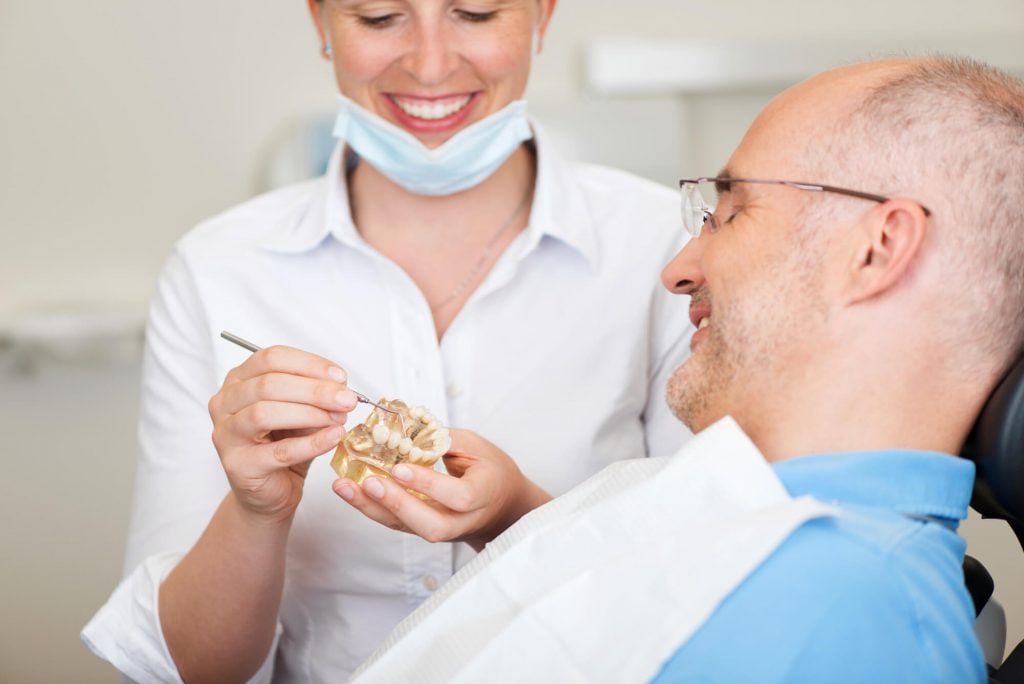
beautiful patient about to get Restorative dentistry Murray Hill

Do you want to achieve a healthy and beautiful smile? If so, there are two primary treatment paths to consider: restorative dentistry and cosmetic dentistry in Murray Hill. While both aim to enhance your smile, they have distinct focuses and goals. Understanding the differences between these treatment options is crucial for determining the most suitable path to fulfill your oral health goals.  

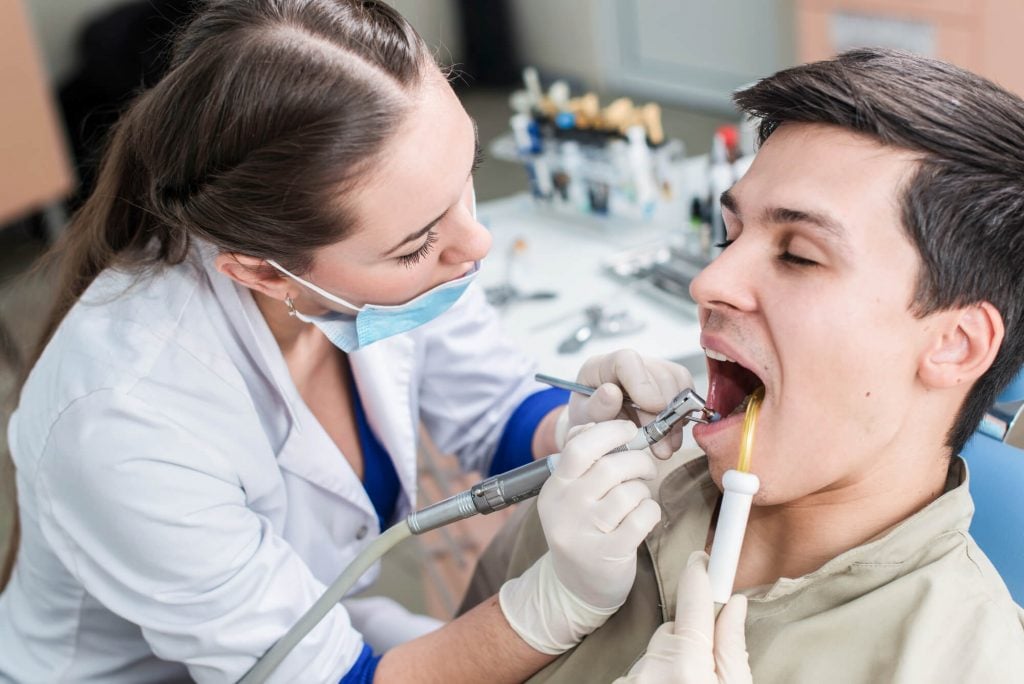
male patient receiving Restorative dentistry Murray Hill

Finding the Right Treatment Path: Restorative or Cosmetic Dentistry for Your Oral Health Goals? 

Understanding Restorative Dentistry 

Restorative dentistry focuses on repairing and restoring the function, structure, and health of your teeth and oral tissues. It aims to address dental issues such as decay, damage, tooth loss, and functional impairments.   

These procedures prioritize the preservation of oral health, ensuring that your teeth are strong, properly aligned, and capable of proper chewing and speaking. 

Common Restorative Dental Procedures  

Restorative dentistry encompasses various treatments, including fillings, crowns, bridges, dental implants, and dentures. Fillings are used to repair teeth affected by cavities, while crowns restore and strengthen damaged teeth.   

Bridges and dental implants replace missing teeth, improving both function and appearance. Dentures offer removable tooth replacement options. These procedures aim to restore the health, functionality, and aesthetics of your smile. 

The Focus of Cosmetic Dental Procedures  

Cosmetic dental procedures, on the other hand, primarily emphasize enhancing the appearance of your smile. While they can have functional benefits, such as improving bite alignment, their main focus is on the aesthetic aspects of your teeth.   

These procedures aim to enhance the color, shape, size, and overall visual appeal of your teeth, giving you a radiant and confident smile. 

Common Cosmetic Dental Procedures  

Cosmetic dental procedures include teeth whitening, porcelain veneers, dental bonding, and orthodontic treatments like braces or clear aligners.  

Teeth whitening brightens and lightens the shade of your teeth, while veneers and dental bonding help correct imperfections like chips, cracks, or gaps. Orthodontic treatments address misalignment and malocclusion issues, improving the alignment and overall appearance of your smile. 

Aligning Your Goals with the Right Treatment Path  

To determine the most appropriate treatment path for your oral health goals, consider your specific needs. If you have functional issues, such as decay, missing teeth, or bite problems, restorative dentistry is likely the right choice.   

On the other hand, if your primary concern is enhancing the aesthetics of your smile without significant functional issues, cosmetic dental procedures may be more suitable. 

Seeking Professional Guidance  

It’s important to consult with a trusted dentist to assess your oral health, discuss your goals, and determine the most appropriate treatment path. A dentist will evaluate your dental condition and provide expert recommendations tailored to your needs. They will consider the ideal balance between restorative and cosmetic procedures, ensuring your oral health and aesthetic goals are met. 

dentist explaining Restorative dentistry Murray Hill to a patient

Have Questions About Restorative Dentistry Murray Hill and Cosmetic Dental Care? 

Restorative dentistry and cosmetic dental procedures offer distinct treatment paths to enhance your smile. By understanding their differences and aligning them with your oral health goals, you can make an informed decision. Trust the expertise of our team at Coliseum Dental to guide you on your journey to a healthy and beautiful smile. Contact us for an appointment. 

Types of Laser Dentistry

patient smiles after laser dentistry in Midtown Manhattan

Dentists are constantly searching for better ways to care for their patient’s oral health. Laser dentistry in Midtown Manhattan is one method used to accomplish this.  

Although lasers have been used in the dental world since the early 1990s, they have been enhanced and improved to handle an increasing number of issues and provide remarkable smile benefits. There are two types of laser dentistry: hard tissue and soft tissue applications.  

A diode or YAG laser can treat periodontal disease more effectively for soft tissue problems. Carbon dioxide lasers, for instance, can safely and quickly remove diseased tissue while preserving healthy tissue. Blood vessels and nerves can be targeted by this laser as well.

Dentist explains the process of laser dentistry in Midtown Manhattan

Hard and Soft Tissue Laser Dentistry Applications 

Soft Tissue Applications 

If a patient has any anxiety about treatment, laser therapy may be appealing to them. Almost everyone who receives laser therapy has less discomfort, gingival swelling, and post-operative pain as a result of their treatment. Likewise, hemostasis eliminates the need for sutures.  

While electrosurgery may be faster on occasion, laser treatment seems to be more comfortable and less traumatic for patients. It can be comforting to know that their dentist employs an advanced approach to oral care. Additionally, infants and children who would otherwise require a general anesthetic can now undergo surgery thanks to advances in soft tissue treatment. 

Examples of soft tissue uses include:  

  • Removing tissue to treat sleep apnea   
  • Reshaping gummy smiles  
  • Eliminating benign tumors  
  • Addressing cold sores  
  • Repairing congenital abnormalities and soft tissue defects  
  • Crown lengthening  

For individuals with gum disease, soft tissue laser dentistry can be a lifesaver. Therapeutic treatments use a thin fiber to deliver ultrasonic energy to treat deep pockets in the gums. Chromophores, melanin, and hemoglobin found in gum disease effectively absorb the laser’s energy, so the treatment is directed at those areas that are unhealthy.  

To reduce the inflammatory response and eliminate irritants from the root surfaces of teeth, non-surgical treatment typically entails scaling and root canal therapy. When combined with laser therapy, scaling and root planing improves treatment results even further. 

Hard Tissue Applications 

A hard-tissue laser’s ability to accurately cut through enamel makes it an excellent choice for the exact removal of bone and teeth. From preparing teeth for dental crowns to correcting old fillings, this includes all aspects of dentistry.  

The following are some possible uses for hard tissue lasers:  

  • Teeth whitening   
  • Treating tooth sensitivity (to seal the roots of the tooth)  
  • Tooth preparation for crowns and fillings  
  • Removing and detecting cavities  
dentist checks patient's mouth before laser dentistry in Midtown Manhattan

Advantages of Laser Dentistry in Midtown Manhattan 

Most general dentists have decided to use laser dentistry because it gives several distinct advantages over more conventional methods. Every time a patient is treated, dentists want to make them feel as comfortable as possible. Some of the benefits of laser dentistry are as follows:  

  • Less likely to need stitches with laser treatment  
  • Lasers are highly precise, so less healthy tissue has to be removed  
  • Lasers are sterile, which means there is a lower chance of an infection  
  • Anesthesia may not be necessary  
  • Less pain  
  • Less post-surgical bleeding  
  • Faster healing times  


Laser dentistry is available in Coliseum Dental. Do you have any questions? Would you like to meet with us to discuss other products and services? Please call our customer service representative right away so we can help you get your teeth back in shape.