Sedation Dentistry and Diet: Guidelines for a Smooth Experience

Sedation dentistry Gramercy park printed on tooth over black background

Dental anxiety or the fear of dental procedures is a common issue that prevents many individuals from seeking necessary dental care. Fortunately, sedation dentistry in Gramercy Park has become a comforting solution, allowing patients to relax during dental visits. 

Whether you’re considering sedation for a major procedure or simply to ease your dental fears, proper dietary choices play a crucial role in ensuring a smooth and safe experience. 
patient under inhalation Sedation dentistry Gramercy park

The Connection Between Diet and Sedation Dentistry

Pre-Sedation Dietary Guidelines

Before undergoing sedation dentistry, it’s important to prepare your body by following specific dietary guidelines. These guidelines are designed to ensure your safety, comfort, and overall well-being during and after the procedure. 

  1. Stay Hydrated: Proper hydration is crucial in the days leading up to your sedation dentistry appointment. Drink an adequate amount of water to keep your body well-hydrated. 
    Avoid excessive consumption of caffeinated beverages like coffee or tea and alcoholic beverages, as they can contribute to dehydration. Being well-hydrated helps your body process medications more effectively. 
  2. Light Meals are Best: Opt for light and easily digestible meals on the day of your procedure. Avoid heavy or spicy foods that could cause discomfort during dental treatment. 
    Instead, focus on plain yogurt, oatmeal, or a simple salad. A light meal reduces the risk of nausea or digestive issues while under sedation.
  3. Follow Your Dentist’s Instructions: Your dentist or oral surgeon may provide specific dietary instructions based on the type of sedation used and the nature of your dental procedure. It’s crucial to follow these guidelines closely to ensure your safety and the effectiveness of the sedation.

Post-Sedation Dietary Guidelines

After your sedation dentistry procedure is complete, paying attention to your diet is equally important to support a smooth recovery and minimize any potential discomfort. 

  1. Start with Soft Foods: Begin your post-sedation diet with soft and easily chewable foods. Examples include yogurt, applesauce, mashed potatoes, and smoothies. These foods are gentle on your teeth and gums, reducing the risk of post-procedure irritation or discomfort.
  2. Avoid Hot or Spicy Foods: After your dental procedure, it’s best to avoid hot or spicy foods for a little while. Your mouth and throat may still be sensitive, and consuming such foods could lead to discomfort or irritation.
  3. Stay Hydrated: Continue to drink water to stay hydrated after the sedation wears off. Proper hydration is essential for the recovery process and helps flush any remaining sedative substances from your system.
  4. Follow Your Dentist’s Recommendations: Your dentist will likely provide specific post-sedation dietary recommendations based on your situation. These instructions may include dietary restrictions or preferences to promote a more comfortable recovery. 

inhalation Sedation dentistry Gramercy park

Do You Have Questions About Sedation Dentistry in Gramercy Park?

Paying attention to your diet before and after sedation dentistry can contribute to a more comfortable and successful dental experience. If you have questions or need further guidance on sedation dentistry, don’t hesitate to reach out to our experts. Contact Coliseum Dental East today to schedule an appointment and discover the comfort and ease of sedation dentistry. Your smile deserves it!

What You’ll Feel After Sedation Dentistry

dentist uses syringe to administer sedation dentistry in Gramercy Park

Almost all patients know that “laughing gas” and other sedative options are used in hospitals. However, few only know about sedation dentistry in Gramercy Park. One type of sedation used by dentists is laughing gas, but it’s not the only one. Dentists can safely give you a sedative to help you unwind during painful dental treatments, including oral surgery.

Laughing gas (nitrous oxide), oral sedation, and intravenous (IV) sedation are some of the several forms of sedation. Nearly all dentists are qualified to give nitrous oxide inhalations or recommend oral sedatives, but they must have the appropriate certification to provide IV sedation.

sedation dentistry in Gramercy Park such as nitrous oxide

What Are the Side Effects of Sedation Dentistry?

Headache Is Possible as a Side Effect

After being sedated, a headache may set in. The facial and scalp muscles may contract because of the anesthesia, but this will subside quickly once the recovery starts. If you have a headache, you don’t have to panic. However, if it persists or becomes painful, you must consult a dental professional.

Low Blood Pressure

Reduced brain metabolism, blood flow, and intracranial pressure are all effects of sedation. The adverse effects of headache, tiredness, and dizziness may also result from low blood pressure. Nonetheless, dental professionals are very cautious about this, especially when they are dealing with seniors.

A Long Reflex

It is natural to expect that it will take some time for your body to resume its “normal” state after waking up from a sedative state. This is because the effects of sedation will slow down some parts of the entire body.

Give your body a day to rest so that your reflexes will have enough time to catch up. It would help if you also kept someone at your side following the procedure. Ensure you have a few obligations or activities that could jeopardize your safety at home. Avoid tasks like cooking that call for quick reactions and heavy lifting. All these apply only when you are heavily sedated. It’s important to note that most sedatives subside quickly and will not affect your day.

Forgetfulness

A patient can enter a “twilight state” when dentists use moderate sedatives like nitrous oxide. This state indicates that the patient isn’t aware of what they’re saying and is likely to forget what they said when things get back to normal. Be prepared for the possibility that you won’t remember anything that happened during the process and avoid engaging in any activities that call for intense attention or important judgment calls.

Sluggish Feelings and Drowsiness

You’ll feel heavy or sluggish after receiving sedation dentistry since it causes your muscles to relax to the extent of a trance-like state – this is quite normal. However, after receiving sedation, it is strongly advised that no one drives themselves home or operates large or complicated machinery.

Drowsiness during surgery is a very frequent side effect of sedation, and many patients discover that this effect persists for a long time after the treatment is finished. It’s typically advised to arrange for someone to drive you home after surgery because some gases can make you sleepy or affect your perception. To regain your strength following sedation, make sure to obtain as much sleep as you can.

dentist performs sedation dentistry in Gramercy Park

Advantages of Sedation Dentistry in Gramercy Park

The simple benefits of sedation dentistry include being conscious during dental procedures for those who experience dental phobia or anxiety. When it comes to uncomfortable and painful operations, such as getting braces installed or having a tooth extracted, sedatives are also strongly advised.

Sedation dentistry ultimately helps patients receive dental care without being hindered by fear or anxiety, enabling them to attain greater oral health and more attractive smiles. Give us a call if you have any questions.

The Perfect Age for Receiving Anesthesia or Sedation

kid undergoes sedation dentistry Gramercy park

Treatment for young children with infection or oral pain is necessary at any age, which may include sedation or general anesthesia. Some oral treatment requires that your child remain perfectly quiet and steady. This is true especially when there may be a lot of work to be done. 

There are plenty of patients young and old who can benefit from sedation dentistry in Gramercy Park. Let’s find out how. 

patient under treatment and sedation dentistry Gramercy park

Are There Any Risks in Using Sedation or Anesthesia at an Early Age?  

According to the 2019 dental anesthetic guidelines, the American Academy of Pediatric Dentistry (AAPD) and American Academy of Pediatrics (AAP) have updated the current recommendations for oral surgeons and other professional dentists. 

The guidelines provide that there must always be at least two people in the room with advanced life support training available in the event of an emergency. There will be one oral surgeon or dental professional who will be in charge of the procedure, while the other will be a third-party observer.  

Equally important is the presence of a dental anesthetist, second oral surgeon, registered or certified nurse anesthetist, or a physician anesthetist. In this way, the risks, although very little, can be prevented. 

What Are the Different Types of Sedation?  

General Anesthesia  

A general anesthetic means that your child will be entirely unconscious and free of pain during the procedure. While an oral surgeon or separate dentist completes the dental operation or surgery, anesthesia professionals (those mentioned above) will administer the sedative and monitor your kid. Dental offices, ambulatory surgery centers (ASCs), and hospitals can all administer anesthesia.  

To ensure that your child’s treatment goes as smoothly as possible, they can receive intravenous (IV) sedatives. However, despite the fact that your child may still be able to make noises and move, their breathing may sometimes be interrupted.  

Your child’s vital signs must be constantly monitored by an anesthesiologist or another competent expert (independent observer), such as a nurse or paramedic, throughout the surgery as well as when your child wakes up. Also, they are the ones who will be able to tell you when your child is ready to head home. 

Moderate Sedation 

Under this type of sedation, children are drowsier, but they are still able to follow instructions from the oral surgeon or dental professional. Moderate sedation is preferable for older children and adolescents and not for younger or more nervous youngsters. The latter are self-sustaining and quickly awoken.  

In most cases, the operation will be forgotten by children. In the course of performing dental procedures, dentists and oral surgeons can safely administer these drugs. 

Laughing Gas 

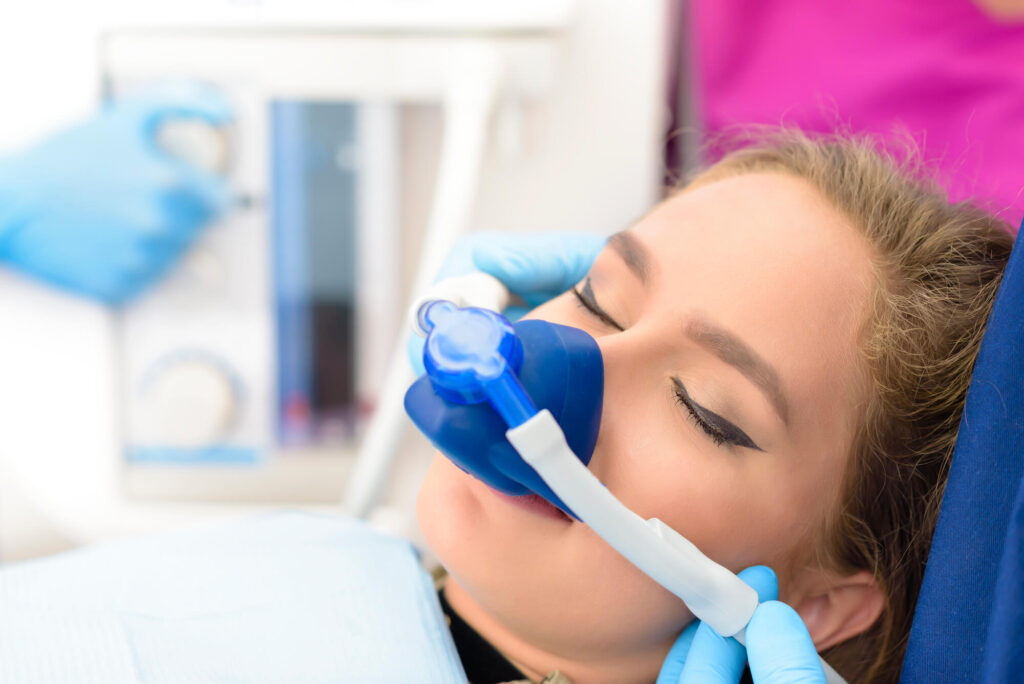
Nitrous oxide is the least intrusive and mildest sedative available. “Laughing gas” is a common term for it.  Even if you don’t fall asleep, most people will feel more at ease. Most people will feel goofy and lightheaded. 

Know More About Sedation Dentistry in Gramercy Park 

An adolescent or adult may benefit from sedation.  As long as your child is quiet and alert, the dentist or surgeon can usually get what they need from them. If you have any questions, see us today