
Sedation Dentistry and Diet: Guidelines for a Smooth Experience

Sedation dentistry Gramercy park printed on tooth over black background

Dental anxiety or the fear of dental procedures is a common issue that prevents many individuals from seeking necessary dental care. Fortunately, sedation dentistry in Gramercy Park has become a comforting solution, allowing patients to relax during dental visits. 

Whether you’re considering sedation for a major procedure or simply to ease your dental fears, proper dietary choices play a crucial role in ensuring a smooth and safe experience. 
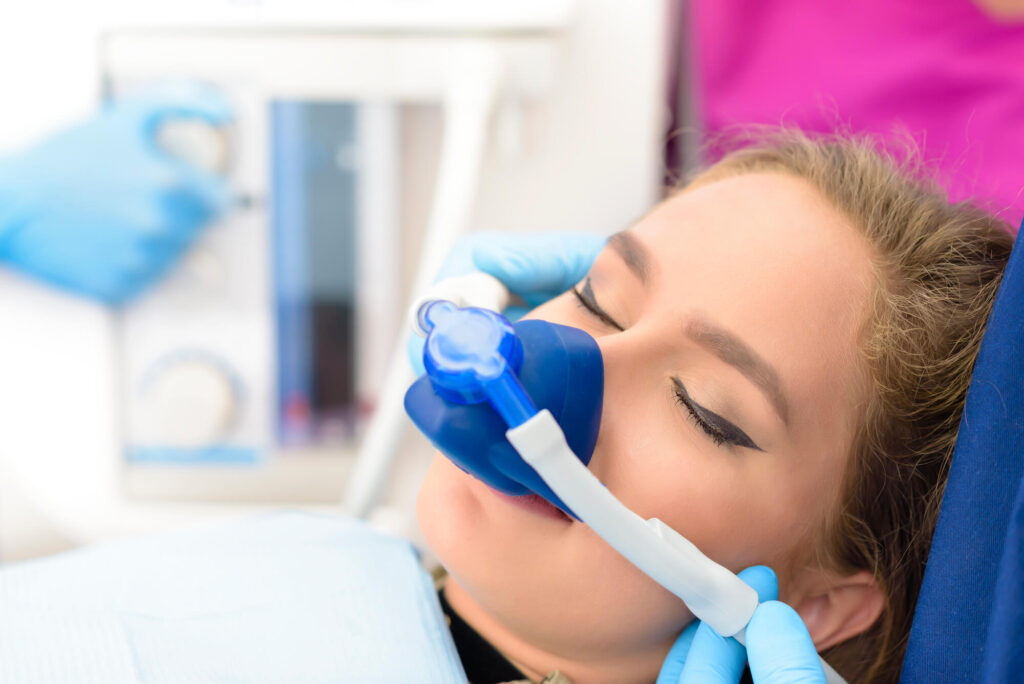
patient under inhalation Sedation dentistry Gramercy park

The Connection Between Diet and Sedation Dentistry

Pre-Sedation Dietary Guidelines

Before undergoing sedation dentistry, it’s important to prepare your body by following specific dietary guidelines. These guidelines are designed to ensure your safety, comfort, and overall well-being during and after the procedure. 

  1. Stay Hydrated: Proper hydration is crucial in the days leading up to your sedation dentistry appointment. Drink an adequate amount of water to keep your body well-hydrated. 
    Avoid excessive consumption of caffeinated beverages like coffee or tea and alcoholic beverages, as they can contribute to dehydration. Being well-hydrated helps your body process medications more effectively. 
  2. Light Meals are Best: Opt for light and easily digestible meals on the day of your procedure. Avoid heavy or spicy foods that could cause discomfort during dental treatment. 
    Instead, focus on plain yogurt, oatmeal, or a simple salad. A light meal reduces the risk of nausea or digestive issues while under sedation.
  3. Follow Your Dentist’s Instructions: Your dentist or oral surgeon may provide specific dietary instructions based on the type of sedation used and the nature of your dental procedure. It’s crucial to follow these guidelines closely to ensure your safety and the effectiveness of the sedation.

Post-Sedation Dietary Guidelines

After your sedation dentistry procedure is complete, paying attention to your diet is equally important to support a smooth recovery and minimize any potential discomfort. 

  1. Start with Soft Foods: Begin your post-sedation diet with soft and easily chewable foods. Examples include yogurt, applesauce, mashed potatoes, and smoothies. These foods are gentle on your teeth and gums, reducing the risk of post-procedure irritation or discomfort.
  2. Avoid Hot or Spicy Foods: After your dental procedure, it’s best to avoid hot or spicy foods for a little while. Your mouth and throat may still be sensitive, and consuming such foods could lead to discomfort or irritation.
  3. Stay Hydrated: Continue to drink water to stay hydrated after the sedation wears off. Proper hydration is essential for the recovery process and helps flush any remaining sedative substances from your system.
  4. Follow Your Dentist’s Recommendations: Your dentist will likely provide specific post-sedation dietary recommendations based on your situation. These instructions may include dietary restrictions or preferences to promote a more comfortable recovery. 

inhalation Sedation dentistry Gramercy park

Do You Have Questions About Sedation Dentistry in Gramercy Park?

Paying attention to your diet before and after sedation dentistry can contribute to a more comfortable and successful dental experience. If you have questions or need further guidance on sedation dentistry, don’t hesitate to reach out to our experts. Contact Coliseum Dental East today to schedule an appointment and discover the comfort and ease of sedation dentistry. Your smile deserves it!

How I’ll Feel After Sedation Dentistry

learn about Sedation Dentistry Murray Hill

If visiting the dentist makes you anxious, consider sedation dentistry in Murray Hill. You can overcome any dental phobia with dental sedation, finally allowing you to unwind throughout your surgery. Here’s what you’ll experience when you opt for sedation dentistry. 

Sedation Dentistry Murray Hill

Types of Sedation Dentistry and How It Feels 

What Does Sedation Feel Like? 

The purpose of dental sedation is to relax you. Therefore, patients who undergo sedation frequently report feeling at ease and slightly sleepy. The dental procedure’s tension and stress go.  

Naturally, the degree of this sensation varies considerably depending on the type of sedation, the required level, and even the patient’s tolerance. Depending on the kind of sedative used during their surgery, patients express various emotions experienced during “sleep dentistry.” Please read on to understand what to anticipate from each type of dental sedation. 

Types of Sedation 

  • IV Sedation 

IV sedation produces a deeper level of sedation than oral or gas sedation. Patients may struggle to stay awake because they often enter an intense level of relaxation. However, there are also instances when you’re still awake after administering this sedative. In essence, IV sedation produces similar, intensified, safe emotions to those who experience oral sedation. 

  • Oral Sedation 

You can anticipate a greater sense of relief and relaxation with oral sedation. You’ll probably feel sleepy, and you might have trouble speaking. Reflexes and coordination are also slowed down by this type of sedation. Some patients report feeling weighed down. A hazy memory or memory loss following the operation is also frequent. Additionally, patients claim that oral sedation causes time to pass more quickly. 

  • Laughing Gas or Nitrous Oxide 

You might detect the scent of grapes or other fruits if the gas has a smell. Your arms and legs may feel a little tingling, relaxed, and light. Some patients can get giddy and have a “euphoric mood.” It also lessens your pain sensitivity and slows down your reaction speed. 

Prevention of Pain and Sedation

Many people question if you can still feel discomfort when receiving oral or IV sedation. Contrary to anesthesia, which renders you unconscious and painless, the primary goal of conscious sedation is to make you feel relaxed. Even though nitrous oxide has some benefits for pain management, your dentist will still use a local anesthetic to ensure you don’t feel anything during the treatment. 

If you’re concerned about how painful IV sedation is, you can relax. The IV placement is the only unfortunate part. Additionally, if you’re terrified of needles or have a high pain threshold, talk to your dentist about ways to make IV sedation comfortable. 

How Soon Do Dental Sedatives Start Working?

Your body metabolizes different sedatives at varying rates. The effects of oral sedatives take between 30 and 60 minutes to become apparent. In 3 minutes, nitrous oxide starts to work. Within a few minutes, IV sedation begins to take effect as well. 

Consult your dentist about sedation dentistry if any of these apply to you. Using sedation dentistry, your dentist can make it simpler for you to obtain necessary procedures like fillings, extractions, root canal therapy, dental implants, crowns, bridges, and more. 

If you are only getting a routine dental cleaning, dental x-ray, or tooth whitening operation, you probably won’t need dental sedation.  

Patient with Sedation Dentistry Murray Hill

Are You Looking for Safe Sedation Dentistry in Murray Hill?

At Coliseum Dental, we ensure that our treatments are safe and effective. For more details, contact us today! 

Recognizing the Signs of Dental Anxiety 

Nervous patient before Sedation Dentistry in Murray Hill

Dental anxiety is common, but that doesn’t make it any less difficult to deal with. Nervousness about the dentist can make it harder to maintain your oral health, but it should also be taken care of simply because no one wants to deal with stress. Let’s discuss what you need to know to curb your anxiety. This includes both the signs of dental anxiety, as well as an explanation of how our sedation dentistry services in Murray Hill can help.  

We hope this helps you take control of your smile! 

Dental assistant preparing for Sedation Dentistry in Murray Hill

Dental Anxiety Symptoms 

Physiological Signs 

Often, dental anxiety manifests physically. If you’re trying to determine whether you or a loved one have dental anxiety, look for the following: 

  • Sweating 
  • Fast heartbeat 
  • Upset stomach 
  • Fainting 

Psychological Signs

Along with the physical signs, you can often tell that someone’s struggling with dental anxiety by the way they’re acting. They might focus on bad experiences they had at other dental offices, or they could even be trying to mask their fears with humor. 

Psychological signs are typically subtler than physiological ones. That said, if someone knows you well, they probably have a good sense of how you act when you’re anxious. 

This is one reason why taking a loved one with you to the office can improve the situation: they understand what you need to feel better. 

Avoiding the Dentist 

Experts say that up to 20% of Americans avoid going to the dentist because of anxiety. This creates a vicious cycle, wherein patients get more nervous because of the amount of time that has lapsed since the last time they went to the dentist. 

How often you need to go will vary based on your oral health. That said, if it’s been over a year since you last visited, you’re likely avoiding the dentist due to anxiety. The first step is admitting that this feeling is prohibiting you from taking care of your mouth. 

What Should You Do If You Have Dental Anxiety?

If you or a loved one have dental anxiety, the next question is how you can overcome your worries and get into a dental office. Luckily, there are many treatment options available to you. 

In severe cases, you may wish to see a counselor. However, it’s usually easier to choose a dental office that takes active steps to help patients struggling with anxiety. This could be as simple as allowing you to bring a loved one with you to your appointment. 

It can also mean sedation dentistry. We recommend this kind of dentistry for patients who are struggling with stress. It lessens any discomfort you might feel, while also helping you relax. 

We’ll have a conversation before you choose this service to ensure that it matches your needs. Our goal is to help maintain and improve your oral health with as little discomfort as possible.

Woman after surgery and Sedation Dentistry in Murray Hill

Looking for Sedation Dentistry in Murray Hill? 

Coliseum Dental is here for you. We’re proud to combine our state-of-the-art facility with best-in-class patient care. Regardless of what you’re here for, we’ll take care of you and determine how best to serve your needs. 

Please contact us today. Whether you’re ready to book an appointment or you have any additional questions you need answered about our dental facility, we’re here to make sure your smile is taken care of.