What You Need to Know About Laser Dentistry 

tools for Laser Dentistry in Murray Hill 

Movies have influenced how we perceive lasers. They are frequently depicted as blazing, impenetrable beams of light. This is why some people are wary about subjecting themselves to laser dentistry in Murray Hill.    

Because of advanced technology, people gradually believe laser dentistry to be less painful or more effective than conventional techniques. With the help of lasers, dentists can now perform numerous treatments with greater accuracy.  

woman receiving Laser Dentistry in Murray Hill 

Laser Dentistry 101  


What Is It?  


Dentists use laser equipment to center a focused beam of light that reacts to specific tissue. Different wavelengths are produced by each laser device to target various tissues. For instance, while hard tissue lasers target hard tissue like teeth and bone, soft tissue lasers target soft tissue like the gums.  


What Are the Types of Laser Dentistry?  


Soft Tissue Lasers  


Water and hemoglobin can easily absorb soft tissue lasers’ wavelength. They are used to cut into soft tissues and seal the blood vessels punctured. Likewise, soft tissue lasers are mainly operated to address restricted tongue movement, lengthen crowns for cosmetic reasons, and reshape gums.  


The advantages of using soft tissue laser are as follows:  


  • The hard tissues won’t be affected by the treatment.  
  • The dental pulp will not be harmed by laser therapy.  
  • The patient will only undergo a small amount of local anesthetic, but most patients prefer to be sedated.  
  • Diode lasers can be used safely near dental implants.  
  • Additionally, they’re harmless around PFM, full-metal crowns, gold alloys, and amalgam fillings.  
  • Dental lasers offer superior hemostasis.  
  • With the pen-style holder, soft tissue removal is accurate and predictable, and there’s good visibility.  
  • For patients with particular needs or those who are young, it may not be necessary to use stitches or periodontal packs.  

Hard Tissue Lasers  


Teeth are made of hard tissues. With the help of a dental laser, you can identify early indications of tooth decay and start taking preventative measures to save the tooth. By eliminating the microorganisms present in the cavity, a dental laser can be utilized to treat cavities. Moreover, a dentist can remove the decaying portions using a laser rather than a drill, making it a minimally invasive filling method.   


The laser’s primary function is to precisely cut the teeth. It can precisely slice into the teeth and bones. When cutting the tooth structure, this laser treatment works perfectly. Moreover, the lasers also include erbium YAG (Yttrium Aluminum Garnet) and erbium chromium YSGG (Yttrium Scandium Gallium Garnet).  


In order to prepare or shape the teeth for composite bonding, hard tissue laser is also helpful. Small tooth structures can be removed with assistance, and dental tear fillings can heal more quickly.   

a female patient receiving Laser Dentistry in Murray Hill 

Ready to Get Laser Dentistry in Murray Hill?  

At Coliseum Dental, we treat periodontal disease and offer high-quality deep cleanings using laser technology. The use of laser technology also makes it possible to execute a variety of soft tissue treatments with less discomfort, better outcomes, and a quicker recovery time, making this treatment option a favorite among patients.   

We can’t wait to hear from you! Contact our staff or dental professionals right away if you’re interested in learning more about how laser dentistry can help you with your dental issues.   

All About Restorative Dentistry

a patient needing Restorative dentistry in midtown Manhattan 

Any dental procedure used to repair the structure and functionality of your teeth is referred to as restorative dentistry. It may include a variety of treatment choices. To figure out if you need services involving restorative dentistry in Midtown Manhattan, you must first comprehend what these services entail.  

a woman needing Restorative dentistry in midtown Manhattan 

Restorative Dentistry: Its Procedures and Benefits 

What Is Restorative Dentistry?  

It is any dental procedure that focuses on restoring or repairing damaged dental components. It can encompass a variety of services such as dental implants, bridges, and fillings, among others. It excludes procedures that are considered aesthetic, such as teeth whitening and dental veneers.  

Most Common Restorative Dental Procedures   

Dental Implants  

This restorative treatment is oftentimes a potential option if the tooth damage is severe. It is the procedure of implanting artificial teeth to replace missing or severely damaged teeth. These are attached by a metal post with a screw-like metal “root”, effectively bonded to your jawbone.   

Bonding 

In the case of fractured or chipped teeth, bonding is the most common restorative procedure used. It is the procedure of producing and attaching composite materials to the remaining tooth to replace the degraded or lost enamel.   

Bridges 

Dental bridges, like crowns, are used to cover a region where a tooth has been extracted. It entails fusing numerous crowns and connecting them to the closest healthy teeth on either side of the gap to connect the space with a porcelain replacement.   

Crowns 

If a tooth has considerable decay and cannot be successfully treated with fillings, dental crowns may be indispensable. To protect the tooth from future damage, it receives a “cap” through this restorative procedure. It will cover the entire tooth down to the gumline.   

Fillings 

Dental fillings are the most used restorative dentistry treatments, whether they are composite or amalgam. These are used to restore and strengthen the structural integrity of a tooth that cavities and decay have weakened.  

What Are the Benefits? 

Restorative dental operations have numerous advantages, which is why they are among the most popular procedures performed by dentists. 

Restore Function 

The most prominent advantage of restorative procedures is restoring your teeth’s functionality. Since your teeth are in good shape, you can eat and speak with considerable ease. 

Eliminate Pain 

If you have an infected tooth or deep cavity that requires a root canal, you have most likely experienced unbearable pain. By eradicating the infection or simply treating it temporarily, restorative therapies alleviate discomfort. 

Prevent Future Dental Problems 

Correcting an oral problem as soon as it is discovered helps stop it from producing or developing more dental problems. A cavity should be fixed as soon as your dentist notices it to avoid the need for a root canal. If left untreated for too long, it might lead to a tooth that cannot be salvaged and must be pulled and replaced. 

a woman smiling after getting Restorative dentistry in midtown Manhattan 

How to Get Ready for Restorative Dentistry in Midtown Manhattan  

Restorative dentistry can relieve various oral problems, but it’s critical to be well-informed before scheduling any surgery. Talk to your dentist about your options to know what to anticipate and make the ideal decision.  

You’ll also need to check that your insurance covers any operations you may need. The best approach to keep the pain away – both physically and financially – is to plan for your dentistry services by completing your research and discussing things with your dentist. Contact us to schedule an appointment today! 

How to Floss When You Have Braces

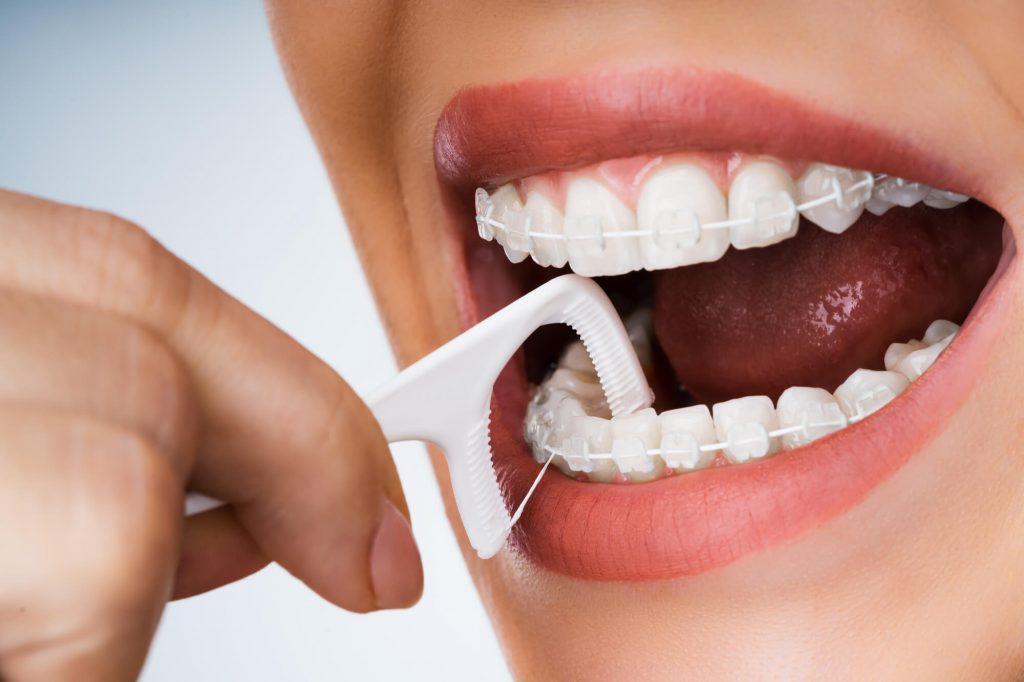
a woman with braces flossing teeth as instructed by her Dentist in midtown Manhattan

Every single dentist in Midtown Manhattan will disagree that flossing while wearing braces is impossible. The truth is, with practice, it will quickly become second nature and a natural extension of brushing your teeth.  

a woman with braces flossing teeth as instructed by a Dentist in midtown Manhattan

Why Floss?  

Affects Oral Health 

You may be perplexed about how a simple piece of floss can significantly affect your oral health. Flossing is surprisingly effective. No toothbrush, no matter how good or expensive it is, can get into all the nooks and crannies like floss can. 

Both practices remove food and bacteria from your teeth, which can cause cavities and discoloration. It also aids in the prevention of gingivitis and other oral health issues that can develop later in life. You can brush twice a day and floss once daily. 

How to Floss While Wearing Braces 

Flossing with braces can indeed be challenging at first. However, with perseverance, you’ll get the hang of it. You’ll be a pro in no time! Although flossing takes time, every dentist you’ll ask will say it’s worth the hassle! 

Follow Our Instructions 

  1. Brush your teeth to eliminate plaque, bacteria, and food particles. Make sure your toothbrush reaches all of your teeth’s surfaces – outer, inner, and flat surfaces of your top and bottom arch. 

  1. Wrap the ends of a 20-centimeter piece of floss around your index finger to form a tight grasp.  

  1. Thread the floss between the wire and your teeth, aligning it with the gap between your teeth. To remove any food particles or plaque build-up, slide the floss between the teeth, down the vertical edges of each tooth, and into the movable gum tissue. 

  1. After flossing each tooth, wrap the old floss around your finger to avoid reintroducing bacteria into your mouth. 

  1. Continue with the next tooth and repeat the procedure. 

Available Products for Flossing Teeth 

Not only is wax floss available on the market, but there are a few other options for cleaning your interdental region. Experiment with both to find which one you prefer. 

 Floss Threader 

You could use a floss threader to make cleaning around your braces simpler. The threader makes it easier to get past the wire and between the teeth. Parents may need to assist their children when flossing until they can do so independently. 

 Toothbrushes With Small Bristles 

Small bristles on interdental brushes make it easy to clean between teeth and remove food and plaque. Place the brush between your teeth and gently brush back and forth a few times to remove any food particles. Interdental brushes are only meant to be used with water. Toothpaste can be excessively abrasive. 

They come in various widths to fit the size of the gaps between your teeth. The best thing about interdental brushes is that they last anywhere from three days to three weeks before needing to be replaced. 

Interdental brushes are less aggressive on the gums than floss since they do not cut into the gums as floss does. The bristles on the brush may also be more effective in removing bacteria from the spaces and gaps than dental floss. 

Water Flosser 

To eliminate food, this type of floss sprays water between the teeth. Water flossers are also useful for cleaning around cables and brackets. However, this is rarely practiced because your toothbrush and floss will suffice. 

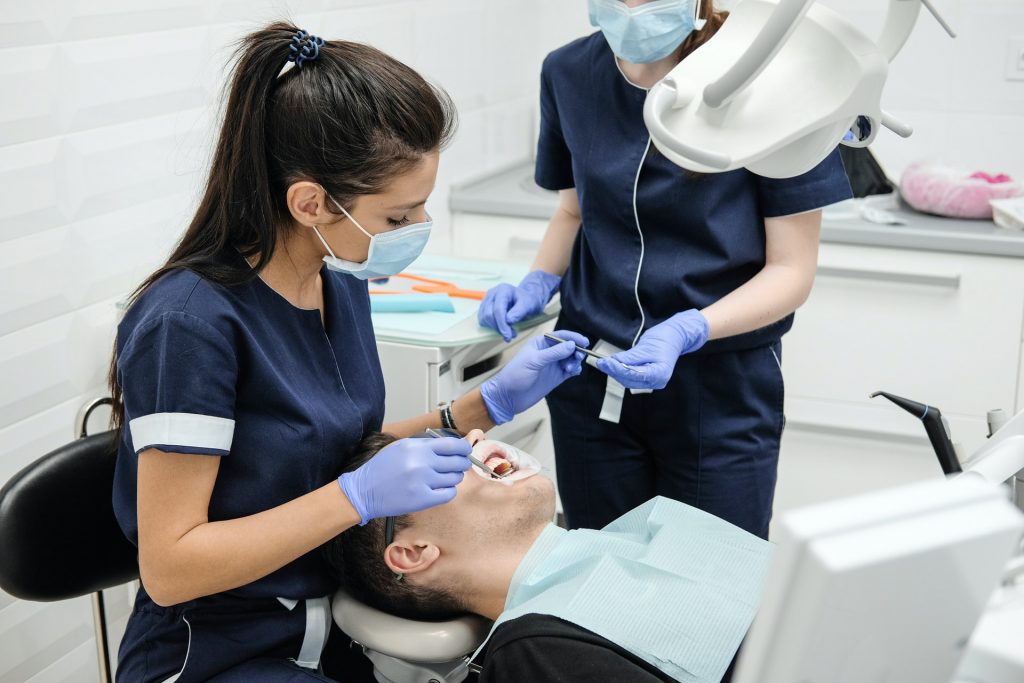
a Dentist in midtown Manhattan checks a patient's braces

Where to Find a Good Dentist in Midtown Manhattan 

At Coliseum Dental, we have experienced dentists who will cater to your dental needs. Don’t hesitate to reach us

The Ugly Truth About Tooth Decay

Dentist Murray hill Holding a Dental Tool

Every dentist in Murray Hill knows that tooth decay has been linked to various long-term health difficulties in recent years, although it was once thought to be a minor nuisance.  What makes some people more prone to tooth decay than others, and what are the reasons behind this? The chewing surfaces or proximal contacts of teeth are where most tooth decay begins. Tooth decay remains a crucial but frequently disregarded element of one’s general health, as it is an essential factor affecting dental health issues that you can confront. In addition, bone loss or insufficiency may likewise contribute to the development of tooth decay. Birth or a low calcium intake in the food, contrary to popular belief, is not the cause of osteopenia – a condition that begins when you have weak bones or insufficient bone mass.   

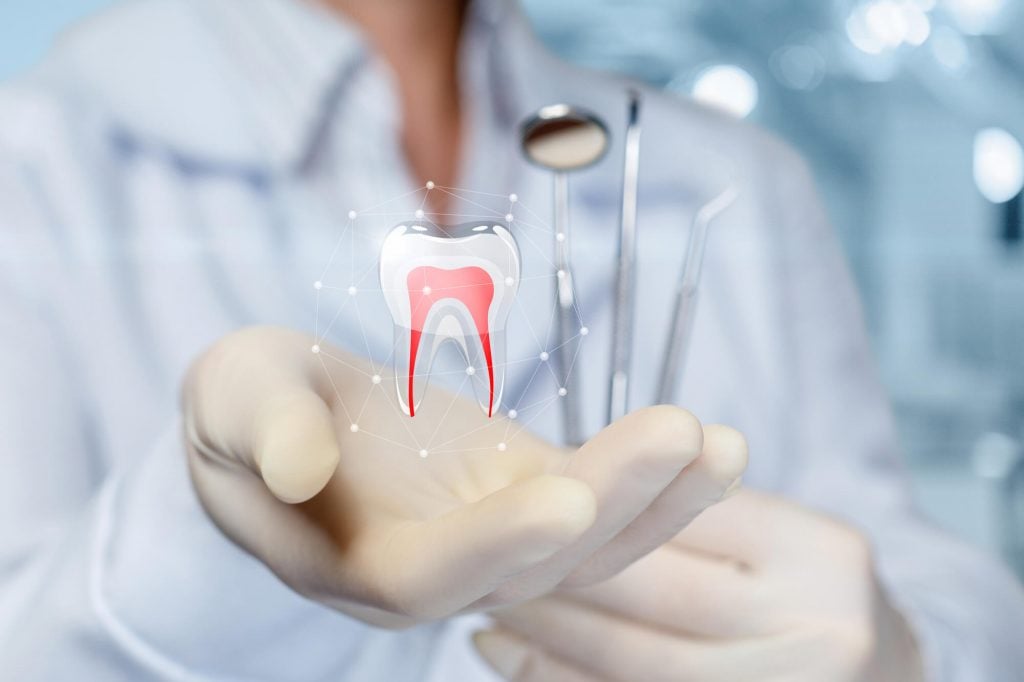
dentist-holding-tooth-model

Basics of Tooth Decay  


How It Happens  


The buildup of acidic substances in the mouth results in tooth decay, and it causes the outer layers of the teeth to erode and dissolve over time. This is made possible when a tooth loses its protective outer coating, causing it to wither and begin to disintegrate, thereby starting the tooth decay process. When it comes to this dental problem, it is a progressive disease that doesn’t show up right away but instead takes time to develop and deteriorate over time as it advances. Although the concept of decayed or broken teeth may seem unpleasant, the detrimental and infectious concerns that can lead to the decay of your teeth are what truly make this a critical situation. The effects can be significant or even life-threatening once left untreated for prolonged periods if left untreated.   


Signs and Symptoms


Dentists are quick to identify the first signs of tooth decay. Ignoring such problems can be an expensive mistake because it permits the disease to grow and become more difficult to cure. As a result, while not all of the symptoms described below are clear markers of tooth decay, you should see your dentist for a thorough examination if you see any of them.   

  • Tooth sensitivity that isn’t explained or that occurs on its own   
  • Persistent bad breath 
  • Pain ranging from moderate to severe when eating or drinking hot or cold foods   
  • Teeth and surrounding gumline are discolored   

After tooth decay has progressed to a more severe stage, bacteria will begin to spread throughout the body when they reach the body’s blood vessels. The bacteria will cause clots to form and the heart to become damaged, affecting the heart’s blood vessels.  


Prevention Is the Key   


To be safe, keep in mind that severe tooth decay, like a long hike, takes a long time to reach this position and is difficult to stop or slow down once it has started, so prevention is the key. Cleaning your teeth daily, especially the occlusal surfaces and proximal contacts, prevents plaque from building on these surfaces, which are the most vulnerable. If you don’t use fluoride toothpaste, brushing your teeth isn’t as effective. By preventing dental decay or stopping it while it is still in its early stages, you have the best chance of avoiding it.   

patient-smiling-to-dentist-after-consultation

Looking for the Best Dentist in Murray Hill to Take Care of Your Teeth?   

For those who believe they’re suffering from tooth decay, or you are in doubt about your oral health, our dental experts are ready to assist you. Give us a call if you have any questions!   

Are Dental Implants the Best Solution to Missing Teeth?

Best solution to missing teeth

There are many reasons why people have missing or lost teeth. If you need expert advice, visit a clinic that specializes in cosmetic dentistry in Murray Hill. 

You could lose one or even many of them due to age, diseases, and accidents. Because this is a prevalent condition, there have been a lot of treatment options introduced to us.  

We are here to explain why dental implants, one of the treatment options for missing teeth, are the best solution for you. 

Cosmetic dentistry in Murray Hill installs dental implants

What Are Dental Implants? 

Losing teeth can affect you badly in many ways. While there are options for tooth replacement, they just won’t do what dental implants can. 

Dental implants are effective, strong tooth root replacements that are topped with a custom-made crown that matches your natural teeth perfectly.  

How Do They Work? 

Dental implants use metal posts or frames to act as the foundation and support the replacement tooth. These titanium posts or structures are strategically embedded beneath the gums’ jawbone. 

This dental procedure guarantees that your tooth/teeth replacement will function, look, and be structured like your natural teeth. With proper care, these dental implants can last a lifetime. 

What Makes Dental Implants Better Than Other Options? 

Other options can be effective solutions to missing teeth. However, there are several things that dental implants can give you that other tooth replacements cannot. 

Here are reasons why dental implants are better than other options: 

Durability 

Unlike other treatment options like certain types of dental bridges and dentures that require replacements every five to 10 years, dental implants are much more durable with proper oral hygiene. 

Convenience 

With dental implants, you will never have to worry about your teeth replacement falling out whenever you’re eating or talking. This will save you from removing your dentures from time to time and needing messy adhesives just to keep them in place. 

More Natural-Looking 

Some tooth replacements can look so unrealistic that they can be too light or dark, and they stick out like a sore thumb whenever you smile. 

These tooth replacements look and function like your average, healthy teeth. Dentists make sure they shape these replacements to mimic the structure of your teeth. 

Confidence Booster 

Dental implants are secured in their places, so they are sure not to click or slip whenever you talk or eat.  

Missing teeth can lower self-esteem because they can be embarrassing whenever you take pictures or give speeches in public.  

However, once your tooth replacement is safely implanted, you’ll have more self-confidence! 

Improved Speech 

In the past, fake teeth lacked the natural feel and were noticeable. But with modern dental implants, they will feel as if they are yours.  

Promotes Overall Dental Health 

Of all the tooth replacement options, having dental implants is the only one that prevents bone loss and stimulates bone growth. 

How Do You Take Care of Dental Implants? 

Treat your dental implants like how you treat your regular teeth. Brushing, flossing, and using mouthwash regularly are just the way to do it. 

With the proper oral care, these dental implants will function correctly. Don’t forget to visit your dentist for a regular dental check-up! 

an expert in Cosmetic dentistry in Murray Hill treats an elderly patient

Looking for the Best Cosmetic Dentistry Clinic in Murray Hill? 

Dental implants may initially be a considerable expense, but with all the benefits, Our professionals here at Coliseum Dental will provide you with the best dental care.  

If you’re thinking of having dental implants, contact us today, and we’ll make sure you leave with the best smile! 

Everything You Need to Know About Crowns

getting Cosmetic dentistry Hell’s kitchen

Dental crowns are vastly important for chewing and smiling. Because we use them daily, crowns have many opportunities to break, crack, and become dislodged. Find out everything you need to know about maintaining them, and what happens when you need cosmetic dentistry in Hell’s Kitchen to replace one or more. 

getting Cosmetic dentistry Hell’s kitchen

What Are Crowns? 

Crowns from your dentist are of porcelain mostly, but can be zirconia, metal, or ceramic. At Coliseum Dental, each crown from us will be fashioned from porcelain. These are as strong as enamel, but will need to be properly maintained as it they were real. 

These are hollow caps that slip over teeth to protect them from any further damage. 

Times When You Need a Dental Crown 

Believe it or not but mouths undergo a lot of daily stress. Anything from mouth breathing to biting a hard object can have an adverse effect on enamel. You will need a dental crown procedure to: 

·      Prevent the spread of tooth decay 

·      Restore your smile aesthetic 

·      Cover and support a cavity plagued tooth 

·      Hold a bridge firmly in place 

·      Cover a misshapen or discolored tooth 

·      Top of an implant 

·      Shelter a root canal 

What to Expect from a Procedure 

Receiving a crown is a very easy appointment. We begin by taking x-rays of the teeth and surrounding bones to see the extent of the damage. If we see underlying concerns, we will treat them before you receive a new crown. We do this to ensure your procedure is successful. 

Next, we’ll grind down the teeth that need a crown. By reshaping it, we can ensure a snuggly fitting crown that doesn’t add additional bulk to your mouth and smile. 

With the impressions in hand, we have the information we need to craft you a new smile. 

Are Same-Day Crowns as Strong as Lab-Made Ones 

The time it takes for you to receive a crown has no impact on its integrity. After all, the time it takes to create is the only real difference. 

What Else Can CEREC® Make? 

While we heavily use CEREC® technology to fabricate crowns in just one visit, it can do much more. If you’re visiting us for a veneer, bridge, or other cosmetic upgrade, we use CEREC® to craft whatever you need in under an hour in most cases. 

Frequently Asked Questions 

How Often Do Crowns Break? 

Since porcelain is of roughly the same sturdiness as enamel, replacement caps break at around the same percentage as teeth; not all too often. However, you will need to practice good oral hygiene to keep them lasting as long as possible. 

What Are the Best Ways to Care for My Dental Crowns? 

As a general rule, treat your porcelain replicas as if they were real teeth. This means that you need to: 

·      Sufficiently brush twice a day 

·      Properly floss daily 

·      Never use your mouth as a tool 

While these are great to keep in mind, they aren’t be all end all solutions. You may also want to be mindful of your eating habits. Munching on ice may seem fine on a hot day but ice is hard enough to chip porcelain, the same as it often does with enamel.  

getting Cosmetic dentistry Hell’s kitchen

Are You Looking for Cosmetic Dentistry in Hell’s Kitchen? 

No matter if you need crowns or teeth whitening, Coliseum Dental can be the place for all of your dental needs. Give us a call today to schedule your next appointment.