All About Restorative Dentistry

a patient needing Restorative dentistry in midtown Manhattan 

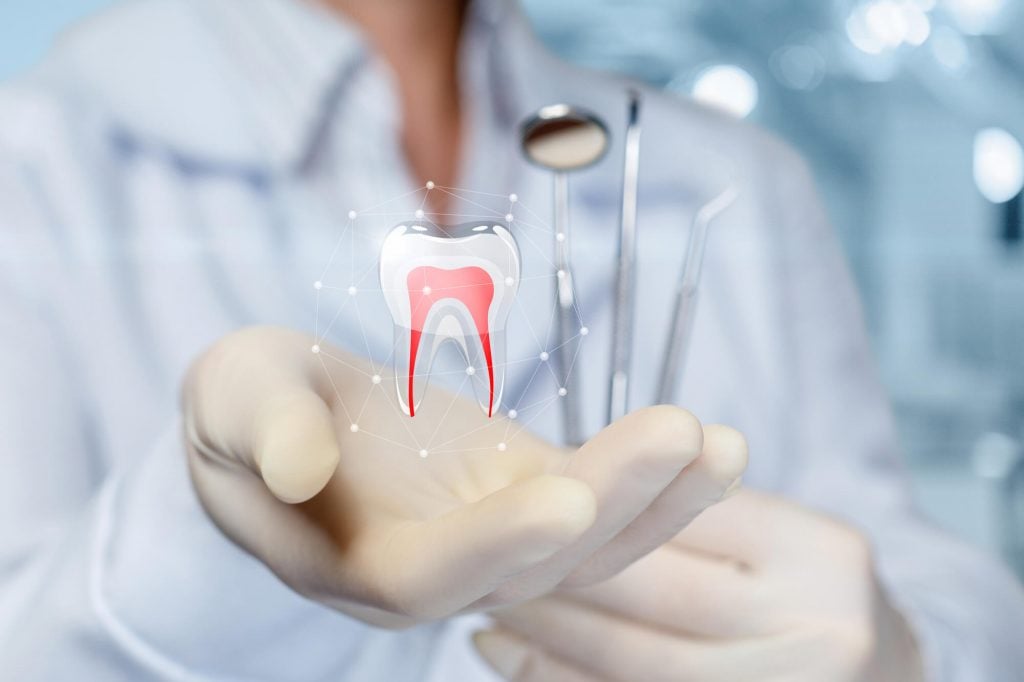
Any dental procedure used to repair the structure and functionality of your teeth is referred to as restorative dentistry. It may include a variety of treatment choices. To figure out if you need services involving restorative dentistry in Midtown Manhattan, you must first comprehend what these services entail.  

a woman needing Restorative dentistry in midtown Manhattan 

Restorative Dentistry: Its Procedures and Benefits 

What Is Restorative Dentistry?  

It is any dental procedure that focuses on restoring or repairing damaged dental components. It can encompass a variety of services such as dental implants, bridges, and fillings, among others. It excludes procedures that are considered aesthetic, such as teeth whitening and dental veneers.  

Most Common Restorative Dental Procedures   

Dental Implants  

This restorative treatment is oftentimes a potential option if the tooth damage is severe. It is the procedure of implanting artificial teeth to replace missing or severely damaged teeth. These are attached by a metal post with a screw-like metal “root”, effectively bonded to your jawbone.   

Bonding 

In the case of fractured or chipped teeth, bonding is the most common restorative procedure used. It is the procedure of producing and attaching composite materials to the remaining tooth to replace the degraded or lost enamel.   

Bridges 

Dental bridges, like crowns, are used to cover a region where a tooth has been extracted. It entails fusing numerous crowns and connecting them to the closest healthy teeth on either side of the gap to connect the space with a porcelain replacement.   

Crowns 

If a tooth has considerable decay and cannot be successfully treated with fillings, dental crowns may be indispensable. To protect the tooth from future damage, it receives a “cap” through this restorative procedure. It will cover the entire tooth down to the gumline.   

Fillings 

Dental fillings are the most used restorative dentistry treatments, whether they are composite or amalgam. These are used to restore and strengthen the structural integrity of a tooth that cavities and decay have weakened.  

What Are the Benefits? 

Restorative dental operations have numerous advantages, which is why they are among the most popular procedures performed by dentists. 

Restore Function 

The most prominent advantage of restorative procedures is restoring your teeth’s functionality. Since your teeth are in good shape, you can eat and speak with considerable ease. 

Eliminate Pain 

If you have an infected tooth or deep cavity that requires a root canal, you have most likely experienced unbearable pain. By eradicating the infection or simply treating it temporarily, restorative therapies alleviate discomfort. 

Prevent Future Dental Problems 

Correcting an oral problem as soon as it is discovered helps stop it from producing or developing more dental problems. A cavity should be fixed as soon as your dentist notices it to avoid the need for a root canal. If left untreated for too long, it might lead to a tooth that cannot be salvaged and must be pulled and replaced. 

a woman smiling after getting Restorative dentistry in midtown Manhattan 

How to Get Ready for Restorative Dentistry in Midtown Manhattan  

Restorative dentistry can relieve various oral problems, but it’s critical to be well-informed before scheduling any surgery. Talk to your dentist about your options to know what to anticipate and make the ideal decision.  

You’ll also need to check that your insurance covers any operations you may need. The best approach to keep the pain away – both physically and financially – is to plan for your dentistry services by completing your research and discussing things with your dentist. Contact us to schedule an appointment today! 

The Ugly Truth About Tooth Decay

Dentist Murray hill Holding a Dental Tool

Every dentist in Murray Hill knows that tooth decay has been linked to various long-term health difficulties in recent years, although it was once thought to be a minor nuisance.  What makes some people more prone to tooth decay than others, and what are the reasons behind this? The chewing surfaces or proximal contacts of teeth are where most tooth decay begins. Tooth decay remains a crucial but frequently disregarded element of one’s general health, as it is an essential factor affecting dental health issues that you can confront. In addition, bone loss or insufficiency may likewise contribute to the development of tooth decay. Birth or a low calcium intake in the food, contrary to popular belief, is not the cause of osteopenia – a condition that begins when you have weak bones or insufficient bone mass.   

dentist-holding-tooth-model

Basics of Tooth Decay  


How It Happens  


The buildup of acidic substances in the mouth results in tooth decay, and it causes the outer layers of the teeth to erode and dissolve over time. This is made possible when a tooth loses its protective outer coating, causing it to wither and begin to disintegrate, thereby starting the tooth decay process. When it comes to this dental problem, it is a progressive disease that doesn’t show up right away but instead takes time to develop and deteriorate over time as it advances. Although the concept of decayed or broken teeth may seem unpleasant, the detrimental and infectious concerns that can lead to the decay of your teeth are what truly make this a critical situation. The effects can be significant or even life-threatening once left untreated for prolonged periods if left untreated.   


Signs and Symptoms


Dentists are quick to identify the first signs of tooth decay. Ignoring such problems can be an expensive mistake because it permits the disease to grow and become more difficult to cure. As a result, while not all of the symptoms described below are clear markers of tooth decay, you should see your dentist for a thorough examination if you see any of them.   

  • Tooth sensitivity that isn’t explained or that occurs on its own   
  • Persistent bad breath 
  • Pain ranging from moderate to severe when eating or drinking hot or cold foods   
  • Teeth and surrounding gumline are discolored   

After tooth decay has progressed to a more severe stage, bacteria will begin to spread throughout the body when they reach the body’s blood vessels. The bacteria will cause clots to form and the heart to become damaged, affecting the heart’s blood vessels.  


Prevention Is the Key   


To be safe, keep in mind that severe tooth decay, like a long hike, takes a long time to reach this position and is difficult to stop or slow down once it has started, so prevention is the key. Cleaning your teeth daily, especially the occlusal surfaces and proximal contacts, prevents plaque from building on these surfaces, which are the most vulnerable. If you don’t use fluoride toothpaste, brushing your teeth isn’t as effective. By preventing dental decay or stopping it while it is still in its early stages, you have the best chance of avoiding it.   

patient-smiling-to-dentist-after-consultation

Looking for the Best Dentist in Murray Hill to Take Care of Your Teeth?   

For those who believe they’re suffering from tooth decay, or you are in doubt about your oral health, our dental experts are ready to assist you. Give us a call if you have any questions!   

How Does Gum Bleaching Work?

a young man grins after Gum Bleaching in Gramercy Park

One can get self-conscious when it comes to how their gums look. If you are pretty dissatisfied with the color of your gums, then we have the perfect solution for you – gum bleaching in Gramercy Park. 

Gums can be dark and patchy, but they can also look light and fair. Either way, we can help you decide if a gum bleaching treatment is something you should undergo. 

a woman shows a picture of her pink gums after Gum Bleaching in Gramercy Park

Gum Bleaching Facts You Should Know

What Causes Dark Gums? 

There are many causes as to why your gums may appear dark. Here are some reasons why your gums might be darker than their usual color. 

Melanin 

Melanin is the pigment naturally produced by the body responsible for the color of the skin, hair, and eyes. The levels of melanin present in a person’s body determine how dark these body parts are. Therefore, having more melanin in your body may be the cause of your dark gums. 

If your gums have always been dark or black, then there is nothing to worry about regarding your gum health. However, if you notice that your gums have changed their color over time, it could be a medical issue. 

Smoking 

Smoking is known to discolor the gums and teeth. In fact, the nicotine present in tobacco produces melanocytes, the cells that produce melanin, so if you are a smoker, then your gums are bound to darken over time.  

Medication 

Some medications can cause your gums to darken, such as those that contain minocycline. 

If you are taking medication that contains minocycline and are concerned with gum discoloration, then maybe you could ask for some alternatives from your doctor. 

Amalgam Tattoo 

Amalgam tattoos can be caused by the metals used in dental fillings and crowns. Although it does not necessarily imply any medical issue, it can cause your gums to be patchy with black, grey, or blue spots. 

What Is Gum Bleaching? 

Gum depigmentation is the clinical term for gum bleaching or gum whitening. It is a dental procedure that focuses on changing the appearance of the gum tissues, specifically the color.  

While it does not necessarily mean that dark gums are unhealthy, some are actually caused by medical issues. This is why people opt for bleaching their gums. 

How Does It Work? 

For your gums to look perfectly natural and healthy, there are two processes in which this can be done: microdermabrasion and laser. Microdermabrasion is the traditional method that involves the application of whitening gel to lighten the gingival color. 

Both methods for gum bleaching are safe and can give you immediate results on the same day. 

How Long Will It Last? 

Each patient must be examined carefully and assessed individually to determine what is needed and if the procedure must continue.  

There are some rare cases where a patient is diagnosed with a disease that might not be compatible with the procedure. 

One session of gum bleaching can last for 20-25 years and can even last a lifetime.  

a dentist examines the patient's gums before Gum Bleaching in Gramercy Park

Looking to Get Gum Bleaching in Gramercy Park? 

Here at Coliseum Dental, we will give you excellent, if not, the best service in gum bleaching.  

Our dental laser will remove the dark pigmentation of your gums smoothly and painlessly. With little to no discomfort. Call us today. 

When Should I Get Veneers?

A beautiful African American woman shows off her teeth after getting cosmetic dentistry treatment in Times Square

Have you ever been so insecure about how your teeth looked and made you think they lacked proper care? Visit your local trusted dentist if you are interested in knowing more about cosmetic dentistry in Times Square

Cosmetic dentists will ensure that your teeth will be as you always wanted them to be. This type of treatment is beneficial to many patients that are pretty insecure about their teeth. 

It is a branch of dentistry that focuses on improving your appearance. Giving this procedure to those who need it will surely provide a heap of benefits to their confidence. 

A female patient needing cosmetic dentistry treatment in Times Square

What Are Veneers? 

Veneers are thin shells that are meant to cover the front of the teeth and be attached to the front of the teeth using dental cement. This cosmetic option is permanently bonded to the teeth and is permanent. Veneers can either be made of porcelain or resin

This permanent change is meant to correct the imperfections that you may have in your teeth that you want to change—weighing if you wish to get cosmetic dentistry or not is an important thing to discuss with a dentist. 

When Am I Allowed to Have Veneers? 

There aren’t many things to consider for veneers. Many imperfections can be corrected with them. Discolored, chipped, stained, decayed teeth are quite a common occurrence in all ages, and if you ever experience any of the listed conditions, then you can likely get veneers. 

Pros and Cons of Veneers 

Veneers have their pros and cons. You can decide for yourself if you want to get one or not based on the list of advantages and disadvantages below.  

Pros 
Natural Tooth Appearance 

Veneers can help with the appearance of the teeth, especially with the years of discoloration that you can get from the food you eat and maybe smoking. This procedure will allow you to have that natural look and will not affect the surrounding teeth. 

Fix Minor Cosmetic Problems 

Common minor cosmetic problems are teeth discoloration, chips, misalignment, and teeth gaps. These can be fixed by the veneers and correct the imperfections that you may have experienced. This procedure can help in boosting your confidence and self-esteem. 

Replace the Damaged Enamel 

The teeth can get damaged, especially the enamel, over time with use. Veneers can create another layer for the teeth and protect them while replacing the enamel.  

Cons 
Permanent and Irreversible 

The procedure is permanent, and any other changes you want after the process cannot be done if it damages the veneers you just had done. However, veneers can be replaced when necessary. 

High Cost 

Veneers are costly depending on the number of teeth you want to restore and the dental clinic area. It is something that is known to be an expensive procedure because of the materials being used. Check to see if the dentist offers any type of financing option. 

Teeth Sensitivity 

A common problem after the procedure is some teeth sensitivity. This can be due to the enamel shaving that exposes your teeth and causes sensitivity to the hot and cold, but this should go away with time and care with the right products. 

A female patient sits in the dental chair before getting cosmetic dentistry treatment in Times Square

Looking for an Expert in Cosmetic Dentistry in Times Square? 

Now that you know when you should get veneers and if the veneers are really for you, you can visit an expert in cosmetic dentistry. Head over to Coliseum Dental for any questions and appointment bookings. We can cater to your needs and questions. Give us a call! 

Everything You Need to Know About Crowns

getting Cosmetic dentistry Hell’s kitchen

Dental crowns are vastly important for chewing and smiling. Because we use them daily, crowns have many opportunities to break, crack, and become dislodged. Find out everything you need to know about maintaining them, and what happens when you need cosmetic dentistry in Hell’s Kitchen to replace one or more. 

getting Cosmetic dentistry Hell’s kitchen

What Are Crowns? 

Crowns from your dentist are of porcelain mostly, but can be zirconia, metal, or ceramic. At Coliseum Dental, each crown from us will be fashioned from porcelain. These are as strong as enamel, but will need to be properly maintained as it they were real. 

These are hollow caps that slip over teeth to protect them from any further damage. 

Times When You Need a Dental Crown 

Believe it or not but mouths undergo a lot of daily stress. Anything from mouth breathing to biting a hard object can have an adverse effect on enamel. You will need a dental crown procedure to: 

·      Prevent the spread of tooth decay 

·      Restore your smile aesthetic 

·      Cover and support a cavity plagued tooth 

·      Hold a bridge firmly in place 

·      Cover a misshapen or discolored tooth 

·      Top of an implant 

·      Shelter a root canal 

What to Expect from a Procedure 

Receiving a crown is a very easy appointment. We begin by taking x-rays of the teeth and surrounding bones to see the extent of the damage. If we see underlying concerns, we will treat them before you receive a new crown. We do this to ensure your procedure is successful. 

Next, we’ll grind down the teeth that need a crown. By reshaping it, we can ensure a snuggly fitting crown that doesn’t add additional bulk to your mouth and smile. 

With the impressions in hand, we have the information we need to craft you a new smile. 

Are Same-Day Crowns as Strong as Lab-Made Ones 

The time it takes for you to receive a crown has no impact on its integrity. After all, the time it takes to create is the only real difference. 

What Else Can CEREC® Make? 

While we heavily use CEREC® technology to fabricate crowns in just one visit, it can do much more. If you’re visiting us for a veneer, bridge, or other cosmetic upgrade, we use CEREC® to craft whatever you need in under an hour in most cases. 

Frequently Asked Questions 

How Often Do Crowns Break? 

Since porcelain is of roughly the same sturdiness as enamel, replacement caps break at around the same percentage as teeth; not all too often. However, you will need to practice good oral hygiene to keep them lasting as long as possible. 

What Are the Best Ways to Care for My Dental Crowns? 

As a general rule, treat your porcelain replicas as if they were real teeth. This means that you need to: 

·      Sufficiently brush twice a day 

·      Properly floss daily 

·      Never use your mouth as a tool 

While these are great to keep in mind, they aren’t be all end all solutions. You may also want to be mindful of your eating habits. Munching on ice may seem fine on a hot day but ice is hard enough to chip porcelain, the same as it often does with enamel.  

getting Cosmetic dentistry Hell’s kitchen

Are You Looking for Cosmetic Dentistry in Hell’s Kitchen? 

No matter if you need crowns or teeth whitening, Coliseum Dental can be the place for all of your dental needs. Give us a call today to schedule your next appointment.